







Visit Historic Sites in Coconut Grove
- May 20, 2025
Coconut Grove, Miami’s oldest neighborhood, is a cultural gem that combines rich history with natural beauty. The area, often called “The Grove,” is known for its lush vegetation, artistic community and thriving cultural scene. But behind its modern facade lies a deep history that stretches back well over a century. Here are some of the most important historical places and landmarks in Coconut Grove that offer a glimpse into Miami's past.
Peacock Park
2820 McFarlane Road
Situated along the waterfront, Peacock Park is closely tied to the neighborhood’s history. Established in the early 1900s, the park has long been a gathering place for the community. Over the years, it has hosted countless events, from local festivals to outdoor concerts. The park is named after Charles and Isabella Peacock, who built Miami’s first hotel, the Bay View House, at this location in 1883. It offers visitors a beautiful green space to relax, with views of Biscayne Bay. It’s a great spot for picnics and soaking up the ambiance of Coconut Grove.

The Barnacle Historic State Park
3485 Main Highway
Tucked away against Biscayne Bay, The Barnacle Historic State Park is one of the oldest houses in Miami. Built in 1891 by Ralph Munroe, a prominent early settler and yachtsman, this charming house is a prime example of Florida's early architecture. The Barnacle was built in a "Key West" style, featuring open porches, thick coral stone walls, and large windows designed to allow breezes to flow through the home, offering both a functional and aesthetic response to the tropical climate. Visitors can take a tour of the house and surrounding grounds, which were once part of Munroe’s estate. The park also includes beautiful walking paths and picnic areas. Special events and educational programs are held regularly.
The Woman’s Club of Coconut Grove
2985 S. Bayshore Drive
Founded in 1891, The Woman’s Club of Coconut Grove is one of the oldest women’s organizations in Miami. The club has always played an important role in the social, cultural and civic life of Coconut Grove. The clubhouse, which was built in the early 1900s, is a beautiful historical site that serves as a gathering place for the community. Over the years, the club has hosted numerous charitable events, social gatherings and cultural programs. Visitors can learn about the organization’s pivotal role in shaping Coconut Grove’s development and explore its historical archives.
The Coconut Grove Library
2875 McFarlane Road
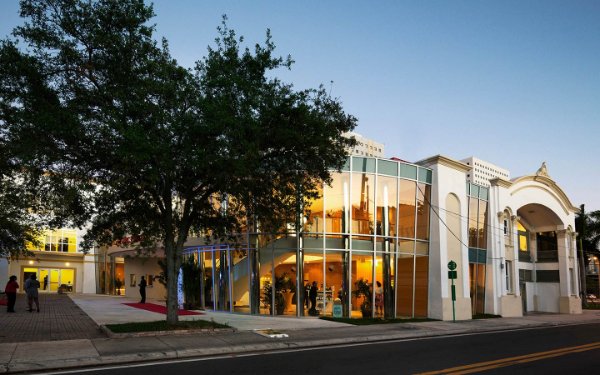
The Coconut Grove Library is another landmark that reflects the history and development of Coconut Grove. Opened in 1895, the library, with its distinctive A-frame structure, is a testament to the community’s commitment to education and culture. The collection includes historical materials about the history of Coconut Grove, making it a valuable resource for those interested in learning more about the area’s past. The library also hosts events, book clubs and educational programs, allowing visitors to connect with the community.
Eva Munroe’s Grave
2875 McFarlane Road
A visit to Eva Munroe’s grave at the historic Coconut Grove Library offers a glimpse into the life of one of Coconut Grove’s early pioneers. Eva Munroe, the wife of Ralph Munroe, was a key figure in the development of Coconut Grove. She was known for her active involvement in the local community and her contributions to the area’s early growth. Her grave is located to the left of the library entrance.
Plymouth Congregational Church
3400 Devon Road
Plymouth Congregational Church is one of Miami’s oldest and most significant religious buildings, dating to 1897. The church was built as a gathering place for early settlers in Coconut Grove, and its traditional architecture provides a glimpse into the area’s early religious life. Today, the church remains an active place of worship and offers visitors a chance to reflect on its long history.

The Kampong
4013 S. Douglas Road
Another significant historical site is The Kampong, a nine-acre tropical garden on the site of a house built in 1916 by David Fairchild, a famous plant explorer who made significant contributions to American agriculture. The Kampong houses thousands of rare tropical plants and trees, including species from around the world. Visitors can enjoy guided tours of the grounds and learn about the history of the garden and Fairchild’s travels.

Vizcaya Museum & Gardens
3251 S. Miami Ave.
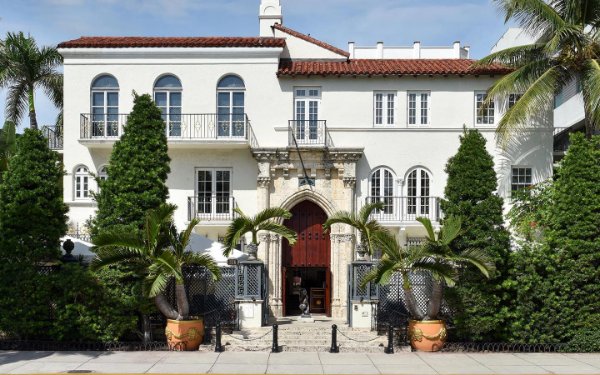
A true masterpiece of Miami’s architectural and cultural heritage, Vizcaya Museum & Gardens is an estate that blends European-inspired architecture with lush landscapes. Completed in 1916 as the winter residence of industrialist James Deering, it features stunning gardens, a grand villa, and period furnishings that transport visitors back to the early 20th century. Guided tours showcase the history of the Deering family and the artistic and architectural significance of the estate. The gardens are especially popular, with beautifully manicured lawns, fountains and sculptures.
Explore more neighborhoods in Greater Miami & Miami Beach.
Partners Mentioned In This Article
The History of Liberty Square

Miami's Hispanic Heritage

Diner’s Guide to Coconut Grove Restaurants
Miami’s Tributes To Dr. Martin Luther King Jr.
Enjoy Miami's Sailing Capital, Coconut Grove

Best Brunch Spots In Coconut Grove
Opa-locka: The History Of One Of America's Most Unique Cities