







Sea Turtle Nesting and Conservation
- April 13, 2026
Each year, sea turtle nesting season brings a remarkable natural event to the shores of Greater Miami and Miami Beach. From early spring through fall, several species return to these beaches to lay their eggs.
The phenomenon offers a unique and memorable way to enjoy Miami’s stunning coastline, and simple precautions help protect these ancient creatures during this most vulnerable stage of life.
Experience sea turtles nesting in Miami with our guide that covers when and where to find them, plus conservation tips and unique experiences during nesting season.
When and Where Sea Turtles Hatch in Miami
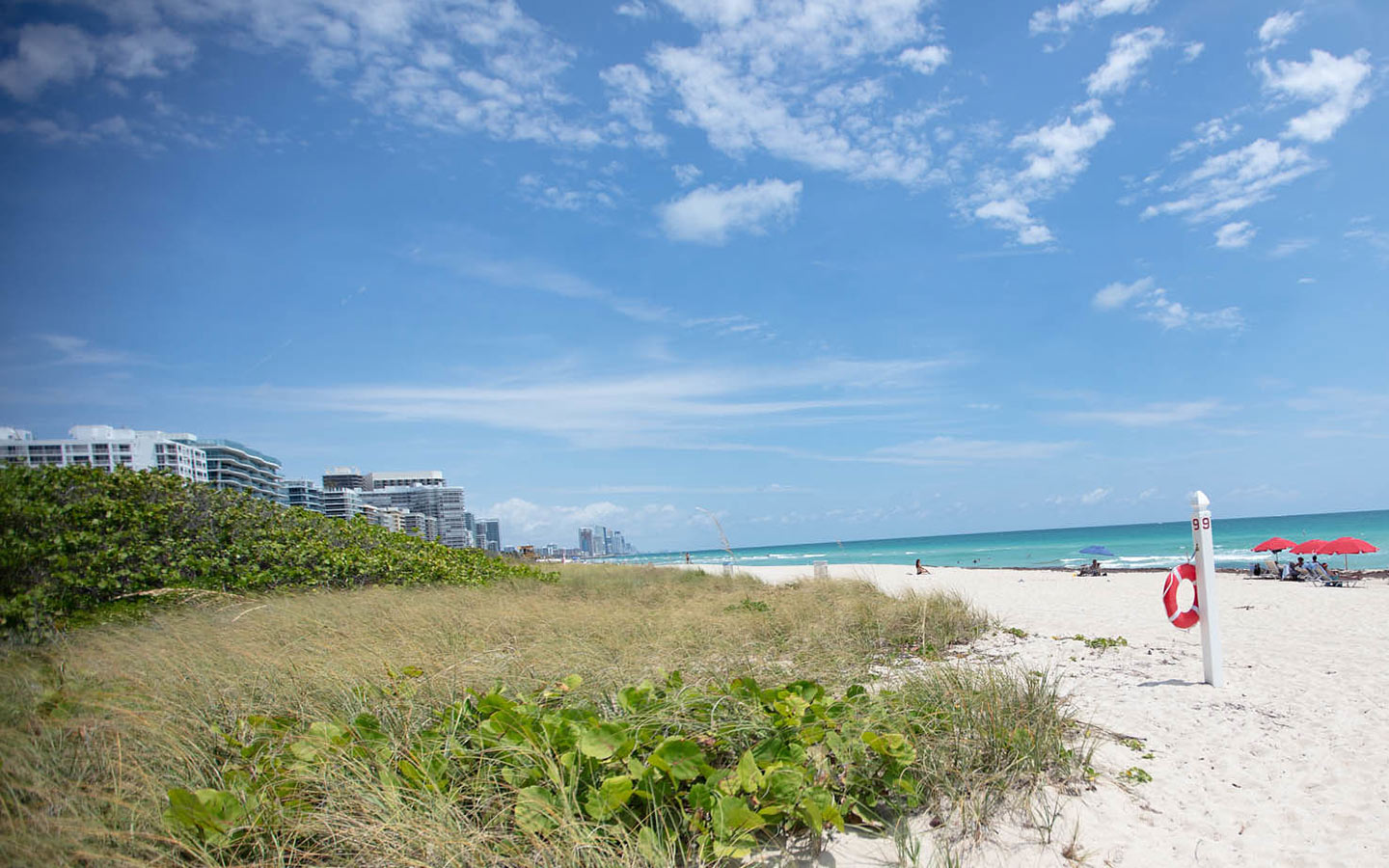
Sea turtle nesting in Florida runs from March 1 to October 31. In Miami, activity spans over 19 miles from Golden Beach in the north through Miami Beach and south to Key Biscayne, including the most well-known parks and public beaches.
Marine turtles spend most of their lives in the ocean. Females come ashore to nest, typically returning to the beach where they were born, and nesting multiple times per season. Each nest contains about 100 eggs, resembling ping-pong balls. In Miami-Dade, more than 600 nests are recorded seasonally.
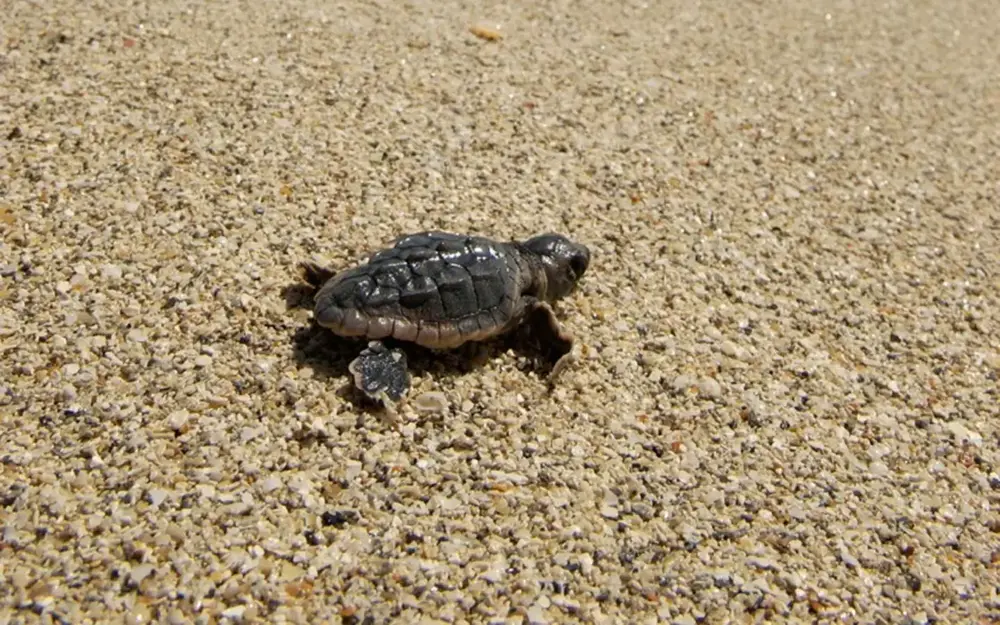
After an incubation period of roughly 50 to 90 days, hatchlings emerge from their nests and instinctively move toward the ocean, guided by the moonlight on the horizon. This brief, nocturnal journey is one of the most vulnerable stages of their lives.
Types of Sea Turtles Found in Miami Waters
Sea turtles have existed for more than 150 million years and play a vital role in ocean ecosystems. Green turtles support seagrasses that store carbon and produce oxygen, hawksbills control sponges on coral reefs and other species help regulate marine populations. Of the 7 recognized species of sea turtles found worldwide, 3 regularly nest along Miami beaches.
Loggerhead Sea Turtles
Loggerheads are the most common species, accounting for 95% of the nests in this region. They are recognized by their large, block-like heads and reddish-brown shells, and use their powerful beaks to feed on crustaceans and shellfish. Loggerheads are listed as endangered by the Endangered Species Act. South Florida is 1 of 2 locations worldwide with more than 10,000 female loggerheads nesting yearly.
Leatherback Sea Turtles
The largest sea turtle, the leatherback, can grow to 2,000 pounds. Their soft, leathery shells and teardrop body shape allow them to dive to great depths. Sea turtles have papillae (backward-pointing spines) in their throat to trap prey as they expel excess seawater, and leatherbacks have them covering their mouth as well. Because they feed mainly on jellyfish, plastic bags mistaken for prey can be especially dangerous.
Green Sea Turtles
Green sea turtles are the second-largest species and are identified by their smooth, oval-shaped shells and small heads. As adults, they are herbivores, feeding on seagrass and algae. Their name derives from the greenish color of their body fat, but their shells are usually black or dark brown.
Thanks to conservation efforts, their global status has improved. Though currently listed as “Least Concern” by the IUCN, they remain protected in Florida waters. Green sea turtles can live more than 70 years and are listed as endangered worldwide by the Endangered Species Act.
Hawksbill and Kemp's Ridley Sea Turtles
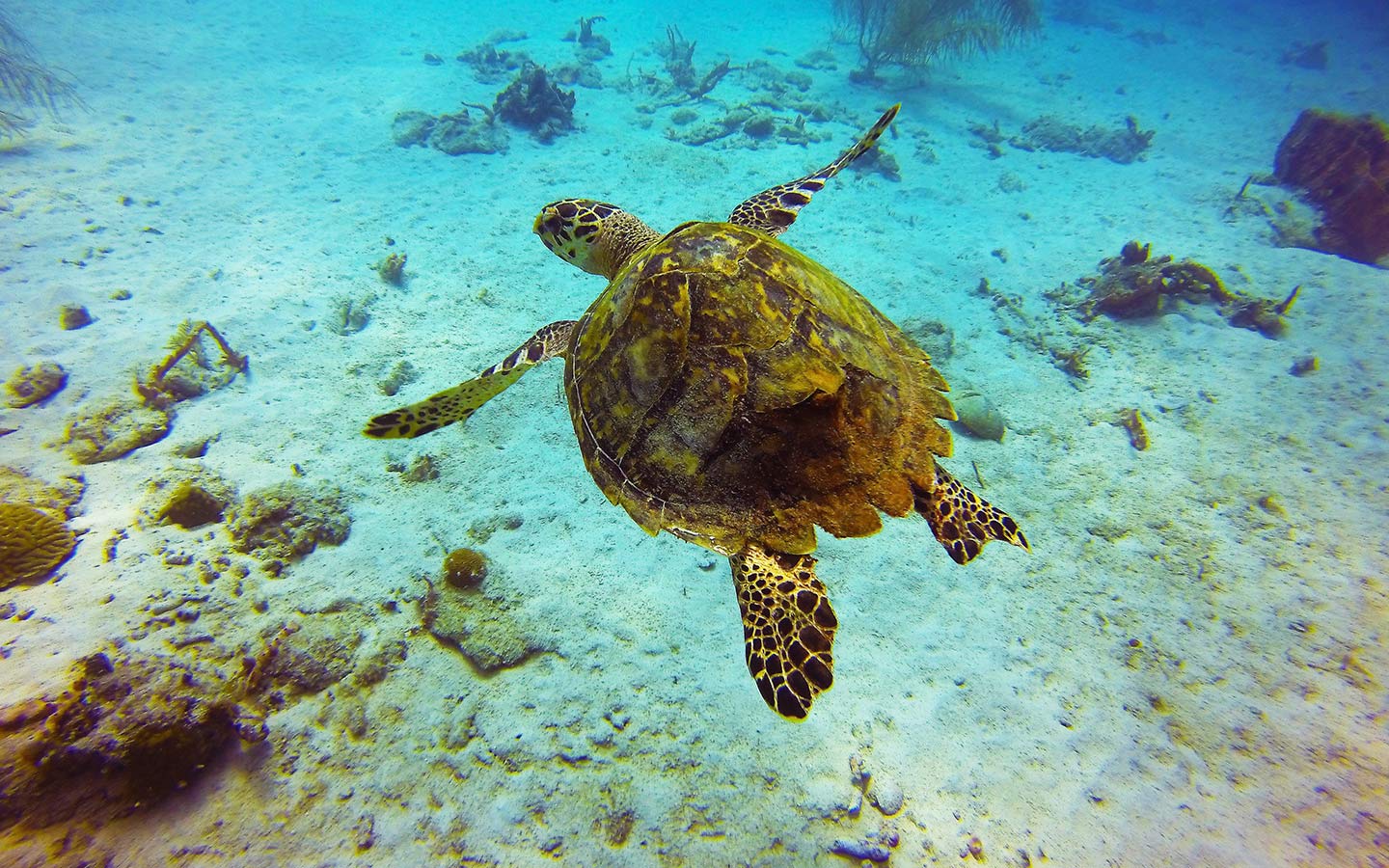
Hawksbill or Kemp’s ridley sea turtles are occasionally spotted offshore, though they do not nest along Miami’s coastline.
Sea Turtle Conservation
Sea turtles are protected under federal, state and local laws, making it illegal to harm or disturb turtles, their nests or hatchlings. Conservation efforts are led by the Miami-Dade County Sea Turtle Conservation Program, which conducts daily surveys, monitors nests, responds to strandings and provides educational programming. The Florida Fish and Wildlife Conservation Commission (FWC) oversees statewide research, protection and permitting.
Locally, the City of Miami Beach updated its Turtle Nesting Protection Ordinance to reduce lighting near the shoreline. Because hatchlings move toward the brightest horizon, excessive beachfront lighting can disorient them. Public awareness efforts, including the Flip The Switch campaign, encourage residents and businesses to adjust lighting during the season.
All Florida State Parks with beaches, including Bill Baggs Cape Florida State Park on Key Biscayne, conduct morning nesting surveys with the help of Friends of Cape Florida to assist surveys and raise funds, including Adopt a Turtle Nest.
Ways To Experience Sea Turtle Conservation
Miami offers several ways to learn about and protect its beloved sea turtles. The most intimate way to take in the annual sea turtle nesting season is to spend a night watching hatchlings as they’re released to the ocean by authorized personnel. This public program conducted by Miami-Dade County includes:
- A presentation on sea turtles.
- A viewing table with sea turtle specimens.
- A guided walk out to the beach at 9 p.m.
Registration for the hatchling release program typically start July 1. Visit the Miami-Dade County Parks social media pages for updates on ticket sales.
Another way to experience sea turtle nesting in Miami is through nest excavation events, conducted 3 days after hatchlings emerge, to observe researchers and learn more about the nesting process. The Phillip and Patricia Frost Museum of Science hosts its Nest Excavation for Sea Turtles (NEST) program in partnership with MORAES, who are permitted to conduct nesting surveys on Virginia Key. A visit to the Frost Science Museum offers a chance to see Miko, a rehabilitated loggerhead weighing over 200 pounds, and an exhibit on sea turtles.
Zoo Miami’s Sea Turtle Hospital provides care for injured turtles affected by boat strikes, entanglements and illness, and offers behind-the-scenes tours.
Additional ways to get involved include participating in beach cleanups, supporting Adopt-A-Nest programs or, for Florida residents, purchasing the Helping Sea Turtles Survive specialty license plate.
Tips For Protecting Sea Turtle Nesting Habitats
An estimated 1 in one 1,000 hatchlings survives to adulthood, so protecting nesting habitats is critical. Be respectful of marked nests. If you encounter a nesting turtle or hatchlings, keep a safe distance, remain quiet and keep lights off.
Be sure to fill in holes, flatten sandcastles and properly dispose of trash to ensure a clear path to the ocean.
Reducing single-use plastics, practicing responsible fishing, using reef-friendly sunscreen and following safe boating practices also helps protect marine environments. Residents and businesses can further support conservation by reducing runoff and minimizing lighting.
If you come across an injured or lost sea turtle, call the Miami-Dade main stranding line at (305) 310-3046, or the FWC 24-hour wildlife hotline at (888) 404-3922.
Threats to Sea Turtles
Sea turtles face natural and human-related threats. Birds and raccoons prey on eggs and hatchlings, while sharks target turtles at sea. Human activity poses the greatest risk. Fishing gear can entangle turtles or cause incidental capture as bycatch. Boat strikes are a leading cause of injury.
Coastal development can disrupt nesting and foraging sites, as well as create pollution from urban runoff and plastics to excess light and noise.
Climate change is also a growing concern: rising sea levels and stronger storms threaten beaches, while warming temperatures can influence hatchling sex ratios as sand temperature determines whether hatchlings are male or female.
Celebrating Sea Turtles in Miami
Awareness events such as World Sea Turtle Day on June 16 and local celebrations like Turtlepalooza on March 15, and the Miami Beach Turtle Fest (2026 details T.B.A.) raise awareness and unite the community with fun activities and cleanups.
For those exploring beneath the surface, Reel It In for the Reef on April 24, sponsored by the National Save the Sea Turtle Foundation, gathers divers for an annual underwater cleanup to remove debris and fishing line from the reefs.
Partners Mentioned In This Article
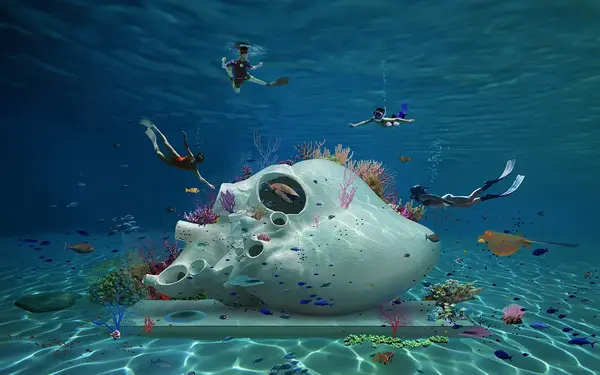
The ReefLine: Miami’s Underwater Art Park

Stroll Along the Beachwalk in Miami Beach
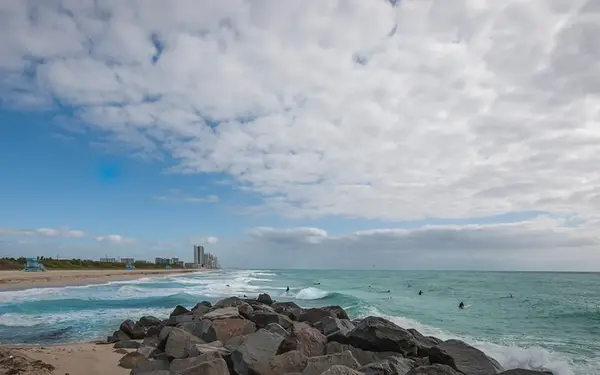
Miami’s Nude Beach
Sustainable and Green Miami Spice Restaurants
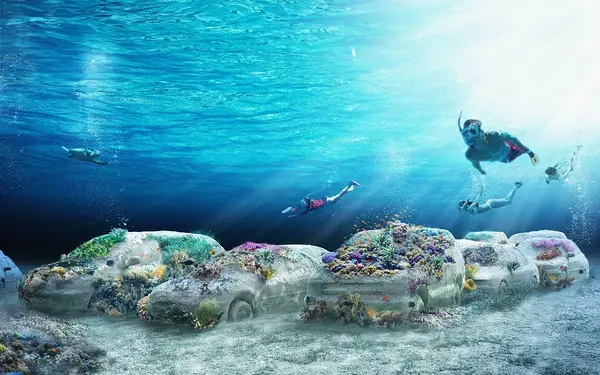
Advocates For Marine Conservation

Where to Find Farm-Fresh Produce Boxes in Miami
Miami’s Marine Conservation & Rescue Efforts