














Swimming Safety Tips
- April 04, 2026
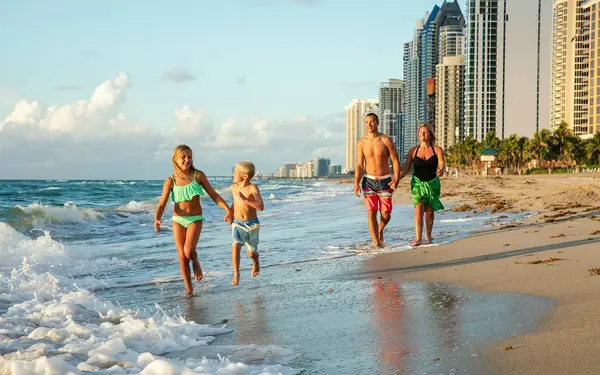
The soft, sandy beaches, warm waters and plentiful pools across Miami make it a top destination for swimming. But before you dip your toes in the water, make sure you understand the important rules and tips surrounding water safety. From beach flag meanings and lifeguard protected areas to weather hazards and local water safety programs, here’s everything you need to know for a worry-free beach or pool day.
Where To Swim: Lifeguard-Protected Beaches
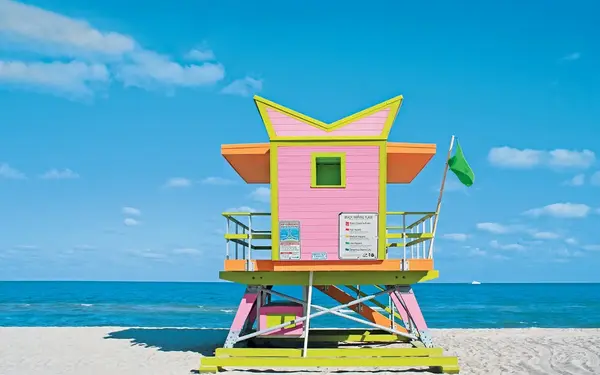
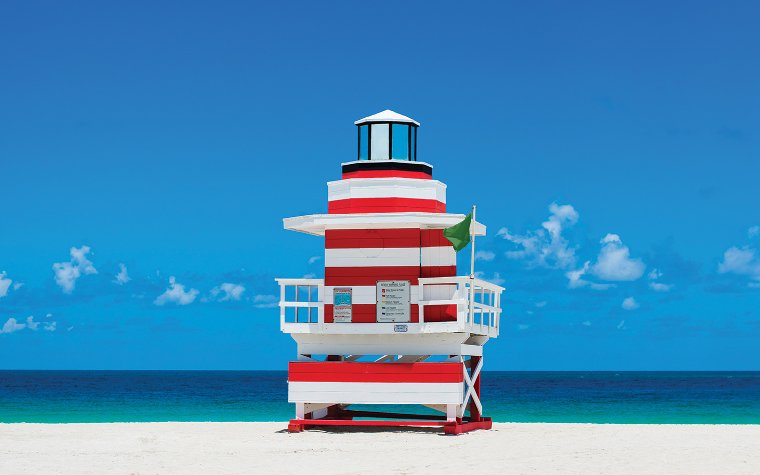
When at the beach, find the nearest lifeguard tower and set up camp nearby. There are 36 towers in total along the sands of Miami Beach, from South Pointe Park to 86th Street. Each of these colorful, William Lane-designed lifeguard towers is staffed with Miami Beach Ocean Rescue lifeguards who are certified in CPR, understand marine safety protocols and know when and how to warn beachgoers and help swimmers when they’re in distress. Being close to a lifeguard stand is especially important if you’re at the beach with weaker swimmers.
Understanding Beach Safety Flags and Ocean Conditions
Once you’ve located a lifeguard tower, check its flags: they’re color-coded to indicate the current beach conditions and swimming safety guidelines. Teach children and newcomers about their meanings so they know what to look for and when it’s okay to go in the water.
- 2 Red Flags: The beach/water is closed to the public. No swimming allowed.
- 1 Red Flag: Swimming conditions are unusually dangerous, with potential for high surfs and strong rip currents. Swimming is not encouraged.
- 1 Yellow Flag: Moderate surf or currents are present. Swimming is allowed, but be cautious and avoid getting in the water if you or someone you’re with is an inexperienced ocean swimmer.
- 1 Green Flag: The waters are calm. Swimming conditions are good.
- 1 Purple Flag: Harmful marine life such as jellyfish, stingrays or man o' war have been spotted. Swimming is allowed, but be on alert.
How To Spot & Escape Rip Currents
Rip currents can happen anytime, on any coastline, even if beach flags are green and waters are calm and shallow. Before you go to the beach, check local swimming conditions and wind speed. Be aware of signs of an oncoming rip current, including darker, choppier water, noticeable breaks in wave patterns or tides pulling foam, seaweed and debris steadily away from shore.
Rip currents can be hard to spot, so if one sneaks up on you, don’t try to fight it. Stay calm and swim parallel to the shore until the current stops. If you get tired, float on your back. After the current has passed, swim diagonally back to land or yell and wave one arm for help if you think the shore is too far away.
Swimming Safety Tips For Families & Children
Adhering to basic swimming safety guidelines can save lives.
- Never swim alone.
- Keep an eye on children at all times. Designate someone as “water watcher” and stay within arm’s reach of young swimmers.
- Don’t let yourself get distracted. Put your phone away – a fun pool or beach day can turn scary quickly.
- Weak or hesitant swimmers must wear a U.S. Coast Guard-approved life jacket.
- Never run or dive into pools. Decks can be slippery and cause serious injuries.
- Always enter the water feet first. This gives you more balance if you encounter sudden slopes or drops in the ocean floor, and lessens the impact from strong waves or pool edges. If the water feels unsafe, this lets you get out of harm's way quickly.
Seasonal & Weather-Related Water Tips
Take note of the seasonal weather patterns and hazards that impact water safety – even on a nice day. Miami is warm all year long, but if it gets too hot, certain safety precautions are necessary. Stay hydrated, reapply sunscreen every 2 hours, get some shade when you can and watch out for signs of heat exhaustion, such as dizziness, fatigue and nausea.
Summer
Summers tend to have strong afternoon thunderstorms. Beware of sudden rough surfs, heavy rain or wind and lightning, which can strike even if a storm is far away. Get out of the water if you see dark clouds or hear thunder, and make sure skies are thunder-free for 30 minutes before you get back in. Look out for jellyfish and Portuguese man o’ war, which are most likely to be spotted during the summer months and can cause extreme pain.
Fall & Winter
King tides and strong currents are more common in the fall and winter months. Higher tides impact swimming safety by making waves rougher and water deeper in shallow areas. Inexperienced swimmers should be cautious.
Boating, Water Sports & Open-Water Safety
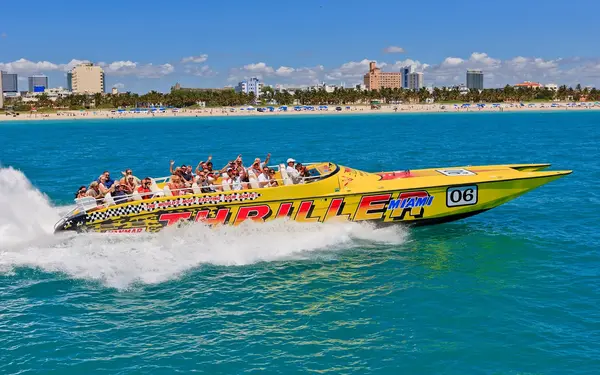
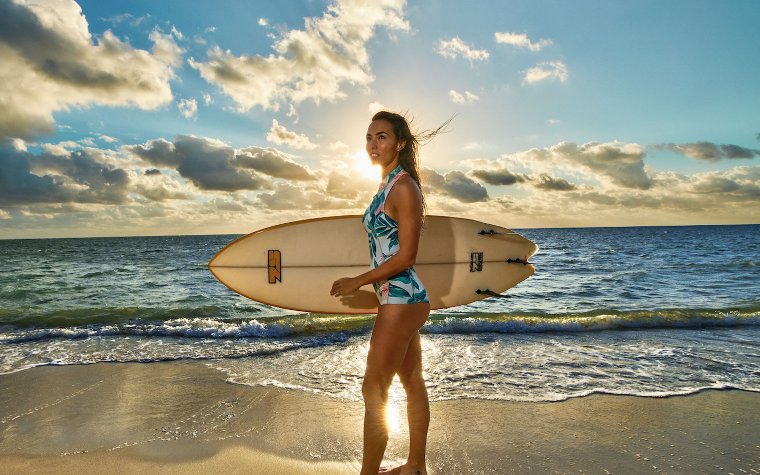
Boating and watersports are popular in Miami, so it’s important to adhere to certain safety guidelines when swimming in the Atlantic Ocean, Biscayne Bay or the destination’s waterways.
- Only swim in designated swimming areas.
- Stay a minimum of 100 feet from jetties, piers and boat channels. Currents are stronger in these areas and boaters may have limited visibility due to those structures in place.
- Don’t jump or dive off any pier or jetty.
- Follow local and state safety signs. “No Swimming” or “Boat Channel” signs indicate areas with heavy boat traffic. Don’t go beyond any buoys, which outline safe swimming areas.
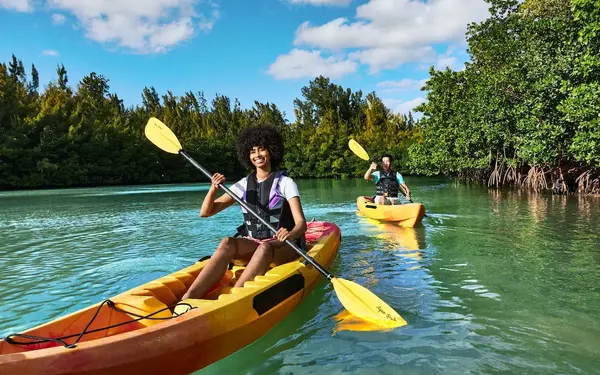
- Wear a life jacket. Life jackets are required for kids under the age of 6 and anyone on jet skis, kayaks, paddle boards and boats less than 26-feet long.
- Don’t drive a jet ski near a designated swim area or shoreline.
- Don’t drive a vessel under the influence of alcohol or drugs.
- Be visible – especially in open water. Wear noticeable clothing when paddle boarding or kayaking and use a brightly-colored buoy when swimming in open waters. Always have a lifeguard in sight.
Local Resources & Water-Safety Programs
Zero Drownings Miami-Dade Initiative
This county-wide water safety and drowning prevention program offers young Miami-Dade County students free swim safety lessons during the school day. Zero Drownings Miami-Dade County also provides online resources for teachers and parents and tools to educate the whole family on swim safety.
Miami-Dade County Learn to Swim Program
Many Miami-Dade County pools offer a Learn2Swim program for swimmers of all ages, all year long. Taught by certified American Red Cross water safety instructors, each lesson takes 30 to 45 minutes and is part of a 2-week program.
City of Miami Aquatics Programs
Public pools and aquatics centers across Miami host swim lessons for all ages.
Florida Department of Health Swimming Lesson Voucher Program
Launched to reduce drownings and make swimming safer for Florida children, the Swimming Lesson Voucher Program gives children 4 and under free swimming lessons from certified instructors. Children must meet certain eligibility requirements to qualify.
National Water Safety Awareness Month
Did you know that May is National Water Safety Awareness Month? Each May, the Florida Department of Health and Miami-Dade County team up to promote drowning prevention among Miami families. This information campaign provides water safety tips about supervision, barriers and awareness when swimming in any body of water.
Quick Safety Checklist For Visitors
Keep this checklist in mind the next time you visit a Miami pool or beach.
- Never swim alone.
- Inexperienced swimmers and young children should wear U.S. Coast Guard-approved life jackets and always be supervised.
- Always have a lifeguard tower in sight.
- Be aware of beach flags and their meanings.
- Know what to do in the event of a rip current.
- Stay at least 100 feet away from piers and jetties, where rip currents are common.
- If storm clouds are approaching, leave the water immediately.
- Enter the water feet-first.
- Never touch marine life, even if it seems harmless.
- Apply sunscreen early and reapply every 2 hours.
- Stay hydrated.
- Raise and wave one arm if you are in distress.
- Report all emergencies to a lifeguard or call 911.