







The Legacy of Lemon City And The Magic Of Little Haiti
- October 11, 2024
One of Greater Miami & Miami Beach’s oldest and most historic neighborhoods, Lemon City played a pivotal role in shaping the area’s early development and predated the founding of the City of Miami. As the destination expanded, Lemon City evolved and transformed into the cultural hub we now know as Little Haiti. The neighborhood’s past and its innovative present have made Little Haiti a favorite for residents and tourists.
Discover The Magic of Little Haiti
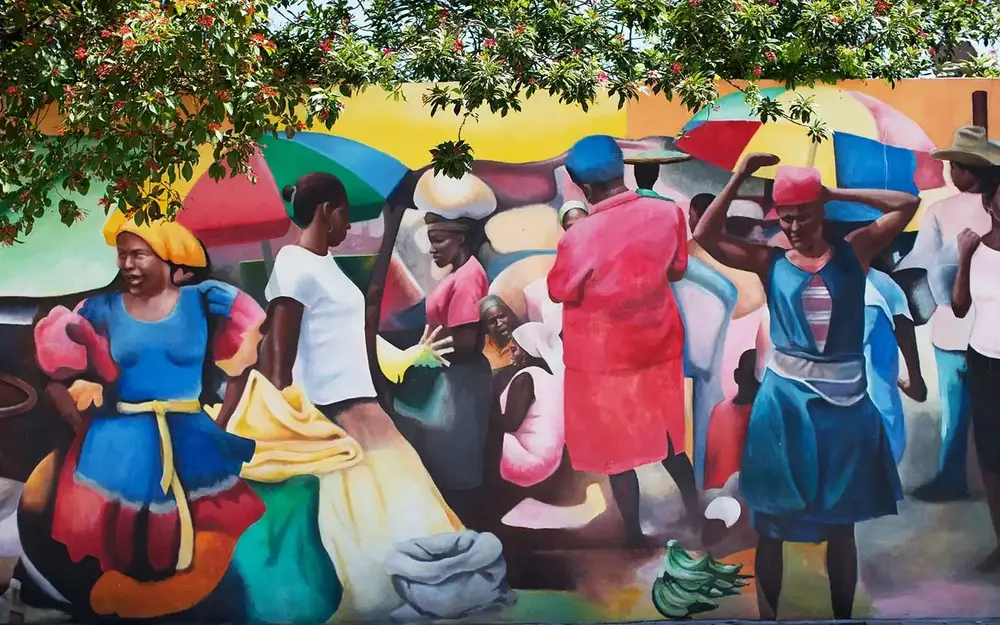
Little Haiti has become a nationally and internationally recognized cultural destination, with iconic landmarks that showcase the rich heritage and artistic spirit of Haitian culture.
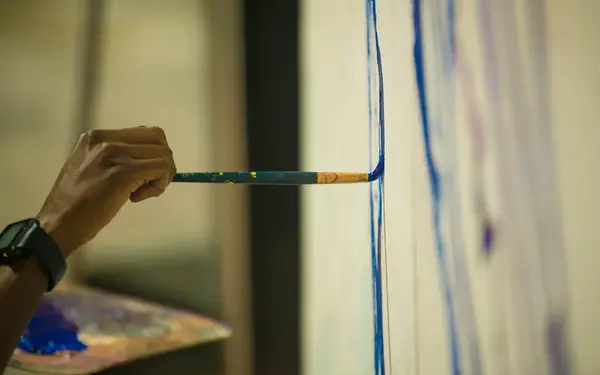
The Little Haiti Cultural Complex is a cornerstone of the neighborhood’s cultural scene, offering exhibitions, workshops and events that celebrate Haitian and Haitian American heritage. Explore a curated collection of art and sculpture crafted by local Haitian artists and gain a deeper appreciation for the talent in this community. Dive into your own creativity and learn from experienced instructors through classes in various artistic disciplines, from folk dance to screen printing.
Little Haiti Soccer Park is more than just a recreational space; it’s a hub for community engagement and a reflection of Haitians’ passion for soccer. Soccer is the national sport of Haiti, and the Little Haiti Soccer Park provides a place to come together, play and celebrate this shared love of the game.
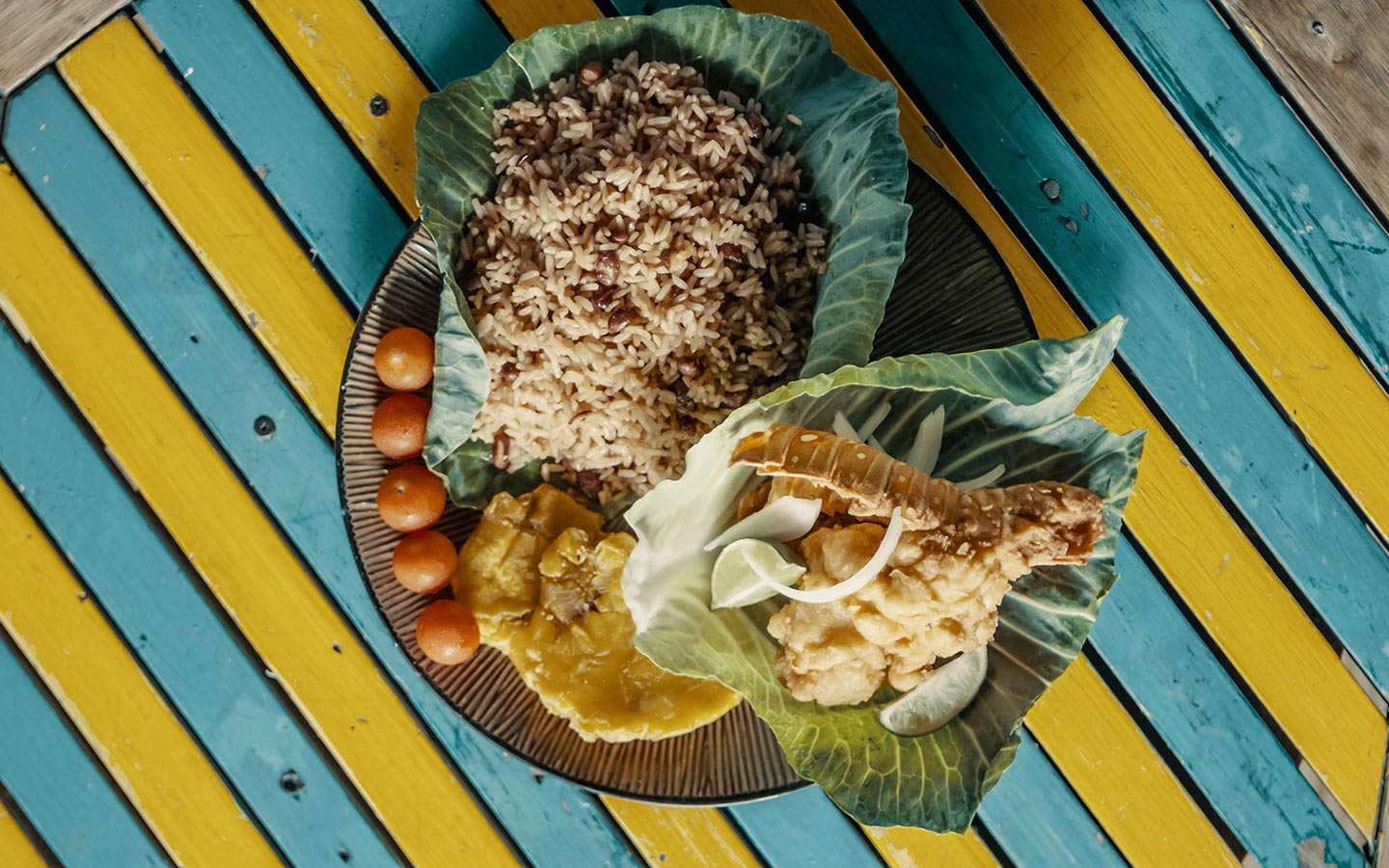
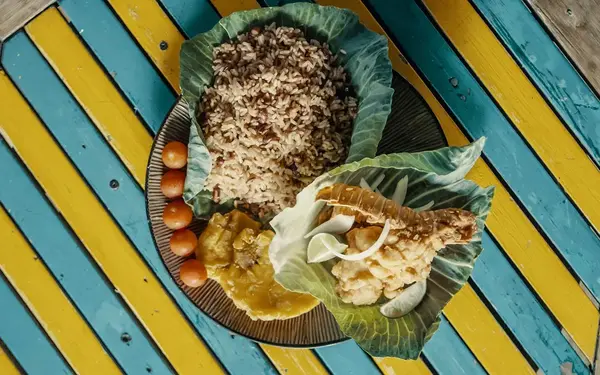
Little Haiti’s streets offer a treasure trove of shopping experiences. Browse through the authentic Haitian bookstore Libreri Mapou, where you’ll find rare books in French, Creole and English. Step into Sweat Records for a vast selection of new and reissued vinyl in genres ranging from classic rock and hip-hop to electronic and indie. Savor the flavors of Haiti at local restaurants like Chef Creole Seasoned Kitchen and Chez Le Bebe, known for signature Haitian recipes featuring fresh seafood and traditional spices.
Take Tap Tap Tours’ “La Perle De Miami: Little Haiti Tour,” a 90-minute golf cart adventure that explores the neighborhood’s hidden gems and culture. With its unique blend of history, culture and community, Little Haiti is a must-visit destination for anyone seeking to experience the true essence of Miami.
Preserving History, Embracing The Future
The spirit of the neighborhood’s founders and the Haitian community that followed continue to shape Little Haiti’s identity. The original pioneers of Lemon City laid the groundwork for a thriving neighborhood by building businesses, schools and cultural institutions. Now Little Haiti is entering a new era of revitalization as developers breathe new life into commercial properties throughout the neighborhood.
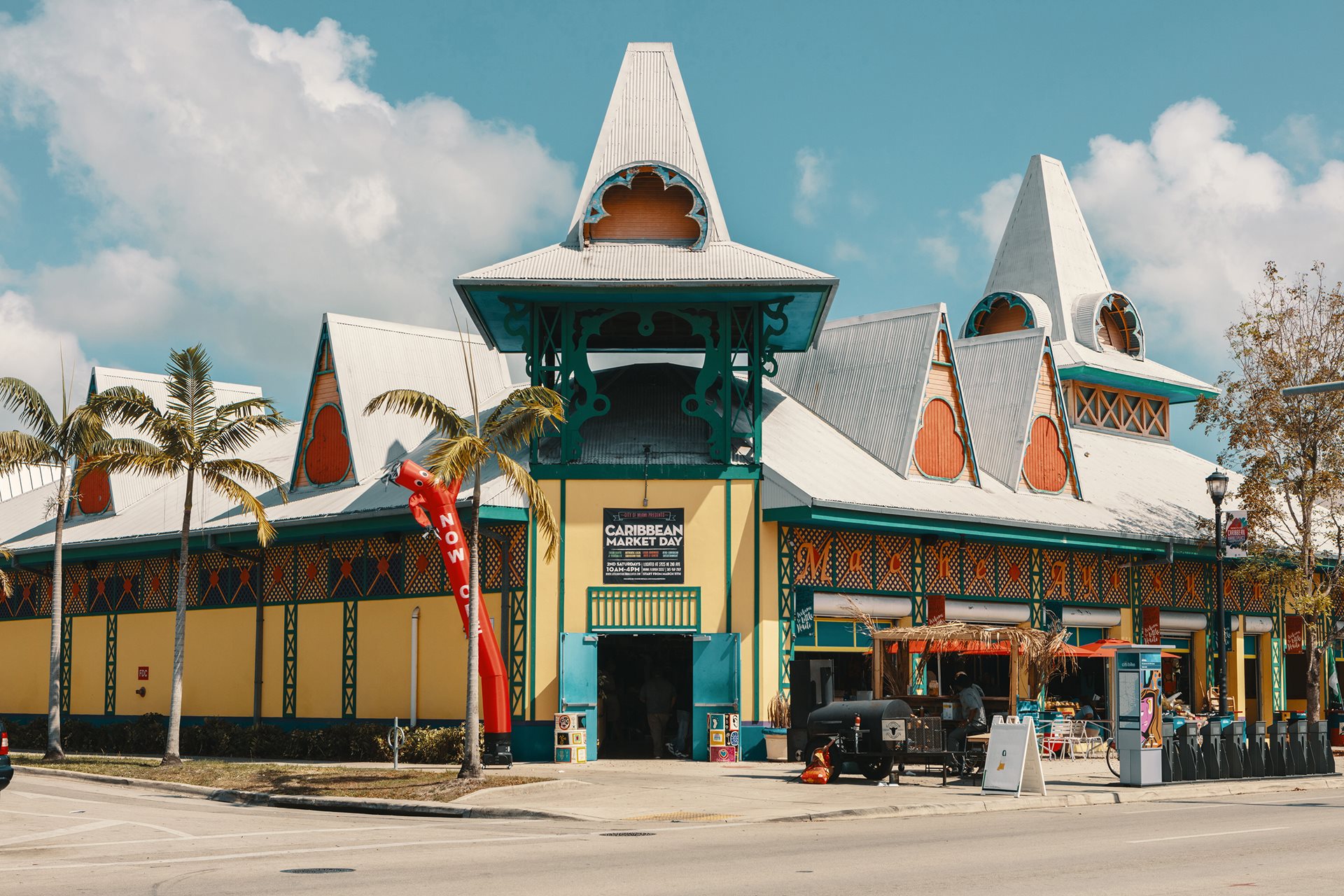
The opening of the Choublak Little Haiti Visitor Center & Garden marked a milestone in these revitalization efforts. This gathering place invites visitors to experience its Haitian and Caribbean crafts shop, konpa dancing, Saturday market, soirees with Caribbean cigars and live music.
The development firm Midgard plans to open Lakou (which means “yard” in Haitian Creole) on NE 59th Street. The project is designed to give people a taste of Haitian and Caribbean culture with live events, vendors and music performances.

The History of Lemon City
Nestled along the shores of Biscayne Bay, Lemon City was home to both white and Black pioneers and was named for the wild sweet lemon trees that flourished in the area. Founded in 1869, a full 27 years before the incorporation of the City of Miami, Lemon City rapidly emerged as the area’s largest commercial and cultural center. Most of the population consisted of African Americans and Bahamians, many of whom contributed to the development of Downtown Miami, Coconut Grove and Coral Gables. They were pivotal to establishing flourishing communities and businesses in Lemon City, including the only U.S. post office in the area, a library, a hotel, churches, a “colored school” and a cemetery.
By 1900, the Black community in Lemon City had established three neighborhoods: Nazarene, Knightsville and Boles Town. These communities thrived for several decades, contributing significantly to the area’s social and cultural fabric. After the area underwent a drastic demographic shift in the 1920s with the expansion of Miami’s northern borders and businesses moving into the area, many Lemon City families relocated to Allapattah and Liberty City in the 1930s.
The Emergence of Little Haiti
The 1970s saw a significant influx of Haitians moving into the area, revitalizing Lemon City into the neighborhood known today as Little Haiti. The name “Little Haiti” was coined by Haitian businessman and community leader Viter Juste, who saw this emerging neighborhood as a reflection of the Haitian capital Port-au-Prince. The culturally vibrant Haitian community would enrich Miami-Dade County’s multiethnic character, infusing it with the traditions and customs of their homeland.
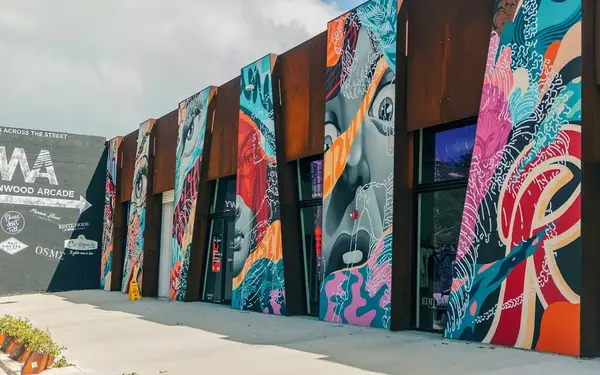
Little Haiti, bounded by I-95 and the Florida East Coast Railway, spans from 54th to 87th streets and serves as a hub for Haitian heritage. Northeast 2nd Avenue, the heart of Little Haiti’s business district, is of great social and cultural significance to the Haitian diaspora because it is the only area in the history of Haitian immigration primarily inhabited by Haitians. The dynamic neighborhood is brimming with Haitian-owned and operated businesses, where the aroma of Creole cooking, art galleries, the rhythm of Haitian konpa and the expressive tone of Haitian Creole greet residents and visitors alike. One of the neighborhood’s distinguishing characteristics is the colorful Caribbean signage along the business corridors.
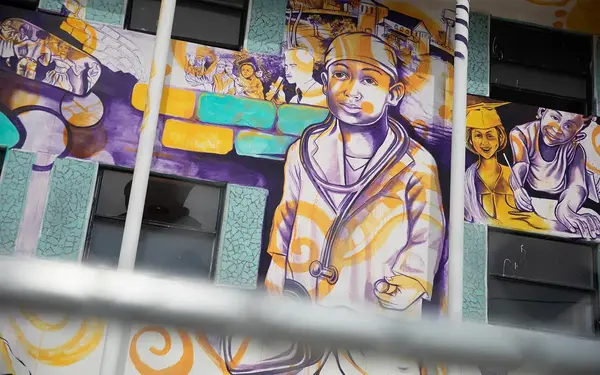
The name of a cultural icon graces the major thoroughfare in the heart of Little Haiti. Northeast 2nd Avenue is now known as Avenue Félix Morisseau-Leroy, a tribute to the Haitian American poet and activist whose works celebrated Haitian culture and history. Just off this avenue stands Toussaint L’Ouverture Elementary School, named after the legendary Haitian general and leader of the Haitian revolution.
As the local community comes together to embrace innovation while respecting the history of the founders who first called Lemon City home, Little Haiti’s future is bright. Explore more of this vibrant neighborhood with our Little Haiti guide.