
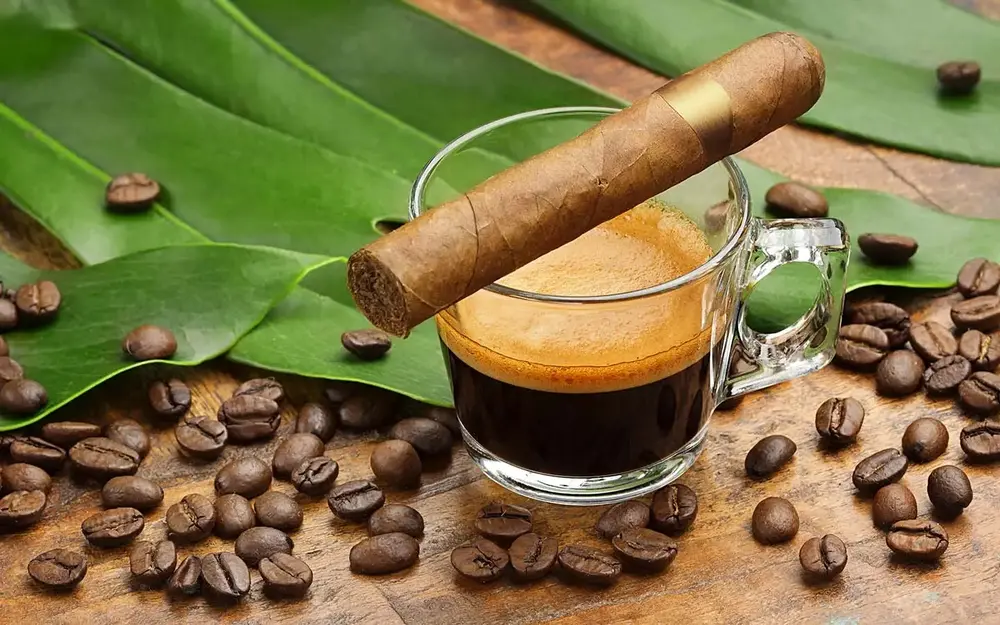
Miami's Hispanic Heritage
- August 12, 2025
Miami wouldn’t be Miami without the strong, impactful Hispanic presence that defines it. Greater Miami & Miami Beach is more than 70% Hispanic, with residents hailing from Cuba, the Dominican Republic, Puerto Rico, Colombia, Venezuela, Nicaragua and other Spanish-speaking countries. You can taste this Hispanic influence in the food, hear it in the music, feel it reverberating in different dances and experience it in the area’s welcoming-to-all spirit. Find out what makes Miami a multicultural destination and how you can easily immerse yourself in its Hispanic riches.
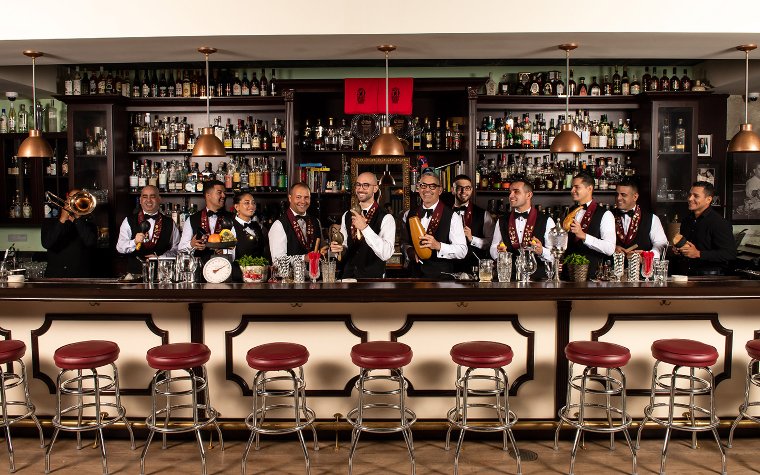
Cultural Highlights of Hispanic Miami
The Sounds & Dance Moves of Miami’s Hispanic Heritage
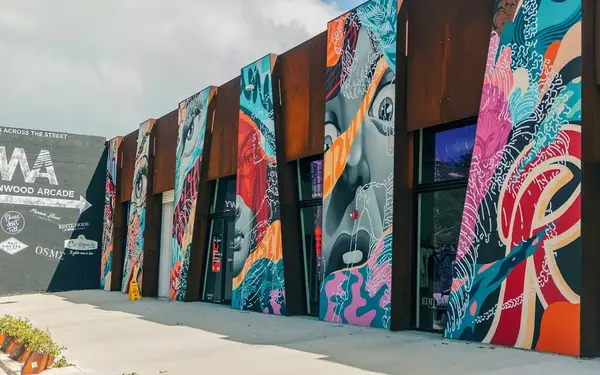
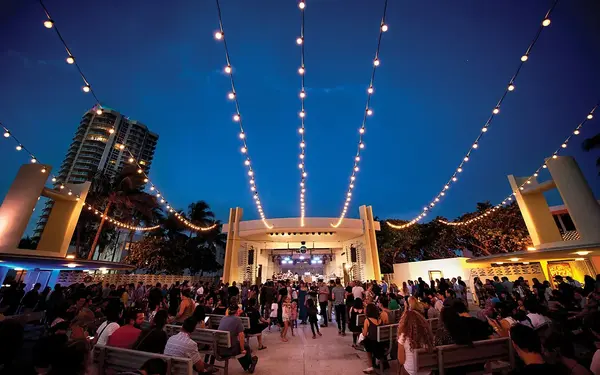
Much of Miami’s musical genres and dance styles have been influenced by this makeup of Hispanic or Latino residents. In culture-rich neighborhoods such as Little Havana, Allapattah and even art-centric Wynwood, you’ll often find Caribbean-style reggaeton music, Dominican Republic-born merengue music and dance and Cuban-influenced salsa spilling from Latin nightclubs, restaurants and bars. The same high-energy Hispanic music and dance vibes flow from the bars and restaurants in Little Havana, like Cafe La Trova and the historic Ball & Chain. In Wynwood, you can find reggaeton and Latin dance clubs, like El Patio, and at Club Tipico Dominicano in Allapattah, you’ll find it all.
Ballet From Cuba, Art From Honduras
Miami’s Miami's arts and culture scene has strong Hispanic influences. The Miami Hispanic Cultural Arts Center, in a historic three-story building on the edge of Little Havana, is home to Miami Hispanic Ballet and Cuban Classical Ballet of Miami. The first floor of the building features an art gallery with a rotation of works by Hispanic artists. Salsa classes are offered Tuesdays and Thursdays, and there are regular poetry readings and plays in Spanish.
Brighten up your day at Laelanie Art Gallery in Doral, where you’ll find bold abstract paintings and modern fine art by Laelanie Larach. Honduras, Larach’s home country, serves as inspiration for her original oil paintings.
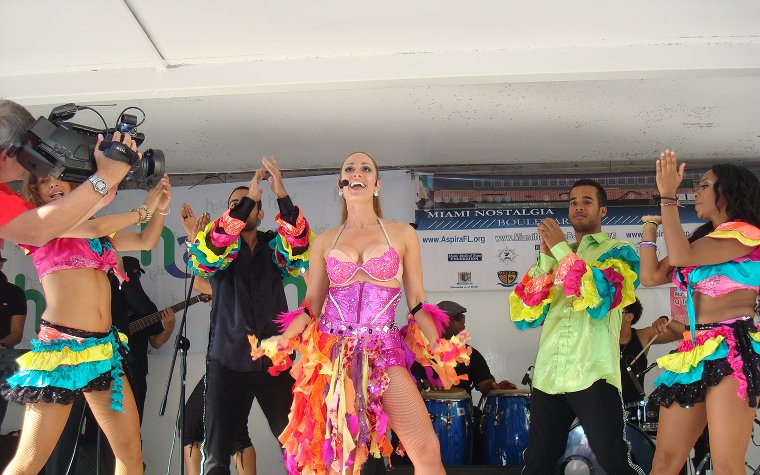
Festivals and Celebrations Light Up The Streets
Calle Ocho (SW 8th Street) in Little Havana, which the National Trust for Historic Preservation deemed a “national treasure,” always pulses with music and revelry. But on the third Friday of every month, Viernes Culturales (Spanish for “cultural Fridays”), Cuban culture is celebrated in grand fashion. During this free event, expect live music, salsa dancing, master cigar rollers rolling cigars, domino matches and a large crowd roaming the art galleries and stores that stay open late.
Every year, Miami commemorates Hispanic Heritage Month (September 15 to October 15) with a robust calendar of special events. There’s everything from Salsa Festival Weekend and movies from independent Hispanic filmmakers to concerts and more. From February-April, Carnaval Miami is a series of events, including the Calle Ocho Music Festival, that celebrates Latin music, art, food and more.
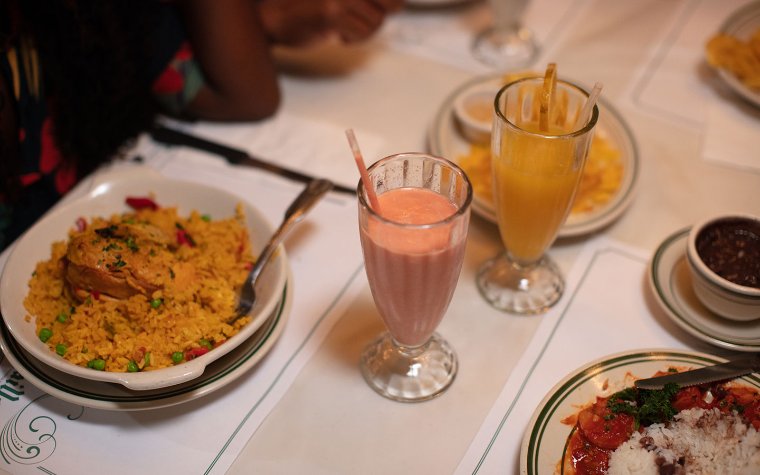
Create Your Own Food Tour of Hispanic Cuisine
When it comes to diverse Hispanic food, Miami has it all. Little Havana is known for its ventanitas, walk-up windows where you can grab potent Cuban-style coffees, like a cafe con leche or cafecito, to pair with flaky, sweet-filled pastelitos and savory empanadas. Some of the area’s best-known spots are Versailles Restaurant and Sanguich, which are also mainstays for a Cuban sandwich layered with ham, pork, cheese, mustard and pickles. If you’re in search of the famous Cuban frita burger (a beef patty topped with shoestring potatoes bulging from a Cuban-style bun), head to El Rey De Las Fritas, with locations throughout the area.
For Dominican food, make a stop at Club Tipico Dominicano for hearty oxtail and goat stews. Nearby Nitin is a classic Dominican bakery adored for its pastries and cakes. Arepas (cornmeal cakes filled with cheese and pressed on a grill) are another Latin American favorite, and Venezuelan-style arepas can be found at La Latina in Midtown Miami and Doggi’s Arepa Bar, which has several locations. For a taste of Puerto Rico, El Bajareque in Wynwood hits the spot with traditional dishes like mofongo and the popular pork, rice and pigeon peas dish.
Spanish & English Are Spoken Here
With so many Hispanic residents living in and visiting the destination, Miami is a bilingual city, and Spanish is widely spoken. It’s a great place to brush up on your Spanish, and you may even return home with some new phrases that mingle both Spanish and English.
Tall, Glittering Buildings & Soaring, Sparkling Personalities
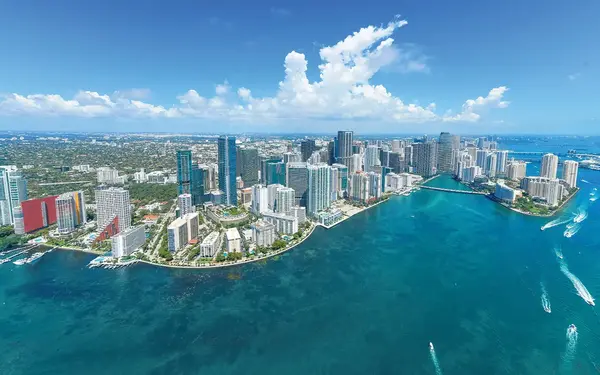
Hispanic-owned businesses have made a prominent social and economic mark on Miami. Two standouts are Related Group, headed by businessman Jorge Pérez, and Terra, owned by David Martin (a son of Cuban immigrants). They are responsible for shaping much of Miami’s skyline with luxury high-rise condos and commercial and residential developments.
Many well-known and influential Hispanics are from Miami. The most-famous include the Cuban-American power couple Gloria and Emilio Estefan and “Mr. 305” himself, Pitbull, who was born and raised in Miami and often calls out his hometown in his music. Other A-list Hispanic stars who’ve lived in Miami, or visit often, are singers Jennifer Lopez and Ricky Martin and actors Sofia Vergara and Andy Garcia, just to name a few.
A Brief History Of Miami
In 1513, Spanish explorer Juan Ponce de Leon sailed south from his original landing in St. Augustine, Florida, into what is now known as Biscayne Bay. In 1549, Colombian Escalante Fontaneda and his brother were sailing to Spain when their ship was wrecked off the coast of Florida. D’Escalante was only 13 years old at the time, and he lived among the Tequesta Indians for almost two decades. He was rescued by Pedro Menéndez de Avilés, who sailed into the present-day Miami River and claimed the area for Spain, which ruled Florida before ceding it to Spain in 1821.
Miami’s history sets it apart from other U.S. cities in that it’s the only one founded by a woman. In the late 1800s, Julia Tuttle bought hundreds of acres in what is now Downtown Miami and persuaded railroad magnate Henry Flagler to extend his East Coast railway to the Miami River. The City of Miami was born on July 28, 1896.
But it’s no secret that the Miami we know today was deeply shaped by Cuban immigration. Starting in 1959, tens of thousands of Cubans came to nearby Florida in search of a better life. Their exodus, and the communities and businesses they built, paved the way for other Hispanics to follow suit. In the 1970s and 1980s, many Nicaraguans came to Miami, followed by a gradual influx of Venezuelans, Colombians, Argentinians and others. Today, Miami is known as the Gateway to the Americas, embracing a tapestry of different cultures. This is seen in its neighborhoods, such as the Cuban enclave of Little Havana, Hialeah, which is approximately 94% Hispanic, and Doral, which has the largest concentration of Venezuelans in the U.S.
Miami celebrates Hispanic culture every day. It can be felt in almost every aspect of daily life and makes this a one-of-a-kind multicultural destination.
Partners Mentioned In This Article
The Legacy of Lemon City And The Magic Of Little Haiti
Inside Miami's "Historic Spanish Village"
Miami's History & Heritage
Miami's Architectural Guide
The Most Architecturally Significant Buildings In Downtown Miami
Historic Treasures in Homestead
Opa-locka: The History Of One Of America's Most Unique Cities