




Miami's History & Heritage
- June 20, 2024
Miami’s skyscrapers and nightlife paint a picture of a young, modern city, but beneath its surface is a rich history tracing back millennia. Long before the high-rises and fabulous beach resorts, Greater Miami & Miami Beach began as a riverside settlement founded by indigenous people. For thousands of years, newcomers from lands near and far came to Miami, leaving a lasting impact on the destination’s cultural identity.
The Early Days
The first inhabitants of Miami were Paleo-Indians who discovered the area over 10,000 years ago. Later, the Tequesta people, a Native American tribe, called Miami home for nearly 2,000 years. Many thrived along the Miami River, establishing villages in the subtropical environment. There were about 350,000 of them until the Spanish arrived in 1513. The arrival of European explorers in the 16th century, including Juan Ponce de León, marked a turning point. A short 250 years later, the Tequesta were virtually extinct, but the Miccosukee Tribe of Indians would arrive shortly after 1715. The Spanish retained control over Florida for the next 300 years, with a brief stint of British rule in the late 18th century, until the Spanish sold it to the United States for $5 million dollars in 1821.
Miami's Pioneers Arrive
By the late 18th and 19th centuries, the arrival of American settlers and the Seminole Wars reshaped the region. The Seminole Wars brought great devastation to the Florida area and severely dwindled the state’s population.
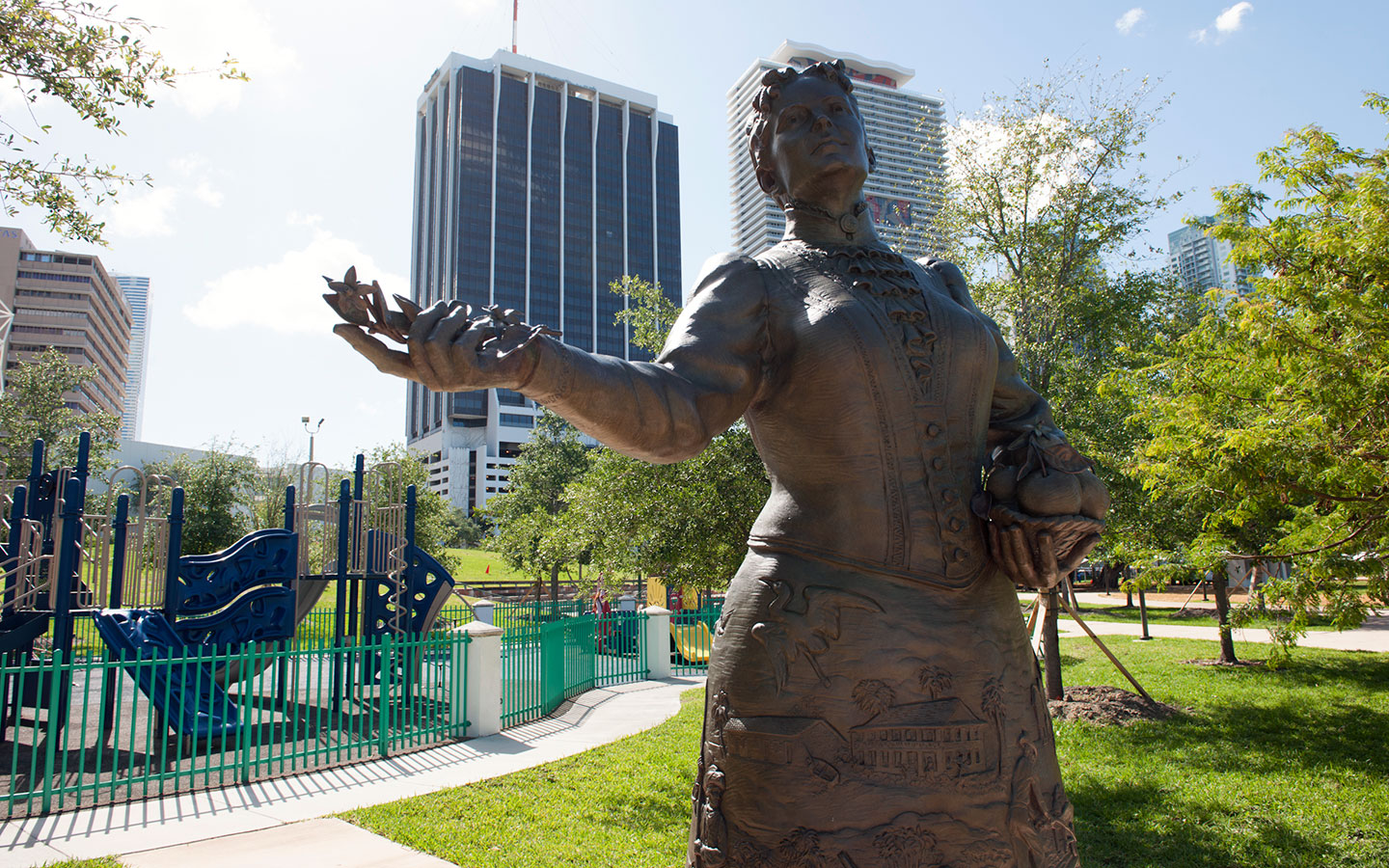
By 1891, things started changing. Pioneers of today’s Florida, like Julia Tuttle and William and Mary Brickell, moved here to build homes with their families. Henry M. Flagler and John D. Rockefeller extended their railroad into Florida and all the way down to Miami, establishing cities and trade centers along the route. Known as Florida’s oldest natural landmark, the Miami River quickly evolved into one of the state’s busiest ports. Bayfront Park took shape at the mouth of the Miami River in the 1920s and became a hub for community gatherings. These developments transformed the tiny river community into a connected city.
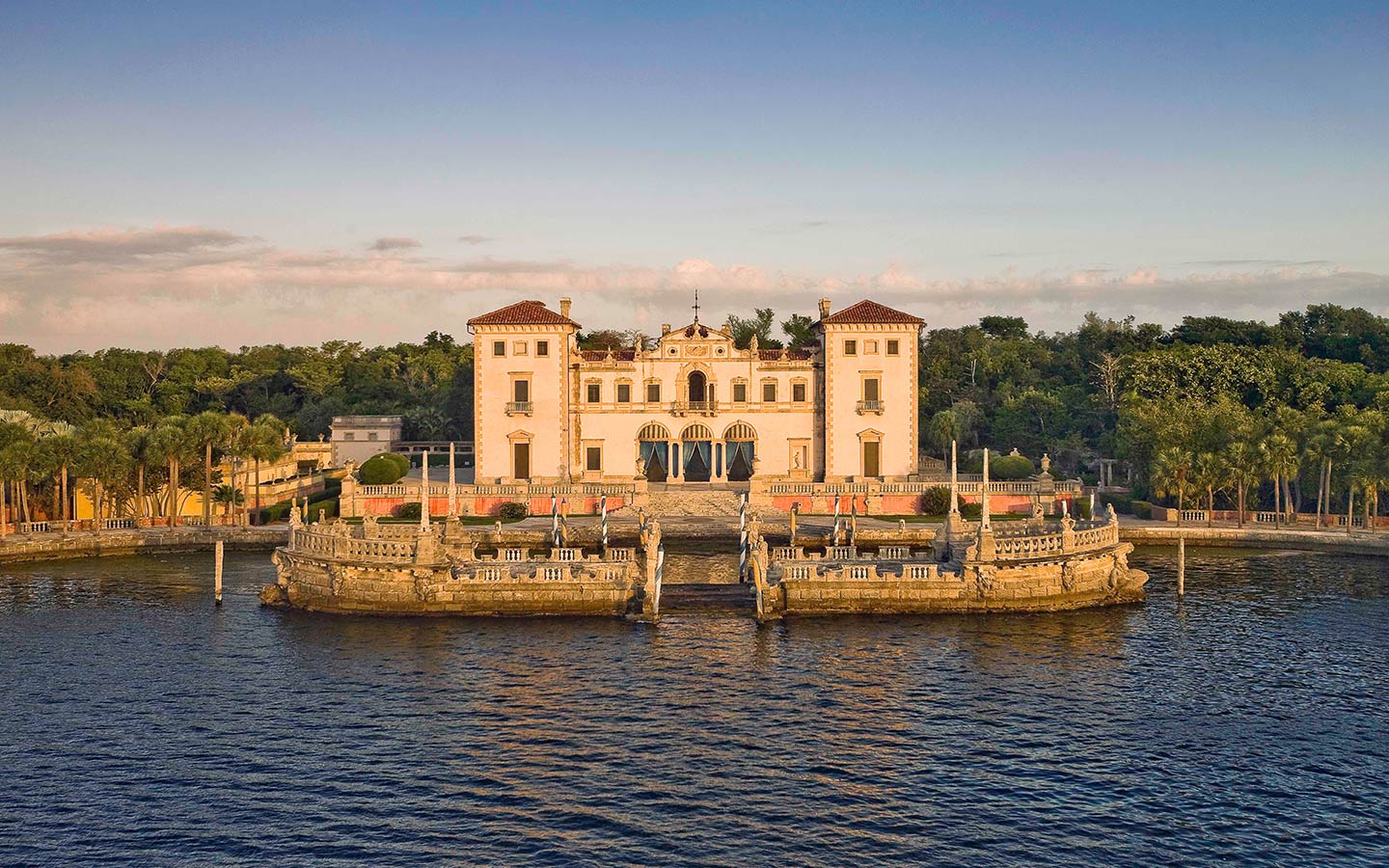
Not until around World War I did Miami become a popular tourist destination. Visitors saw the near-perfect year-round weather and the ample land as reasons to make Miami their home or second home. Between 1914 and 1922, James Deering’s Villa Vizcaya estate, known today as Vizcaya Museums & Gardens, was built in the Mediterranean Revival style (with Renaissance touches) by a team of local workers alongside European and Bahamian craftsmen. Some antique elements and decor within the villa and gardens were imported from other countries, such as Italy. The project’s scale significantly impacted Miami’s growing economy, with 10% of Miami’s population employed by the project.
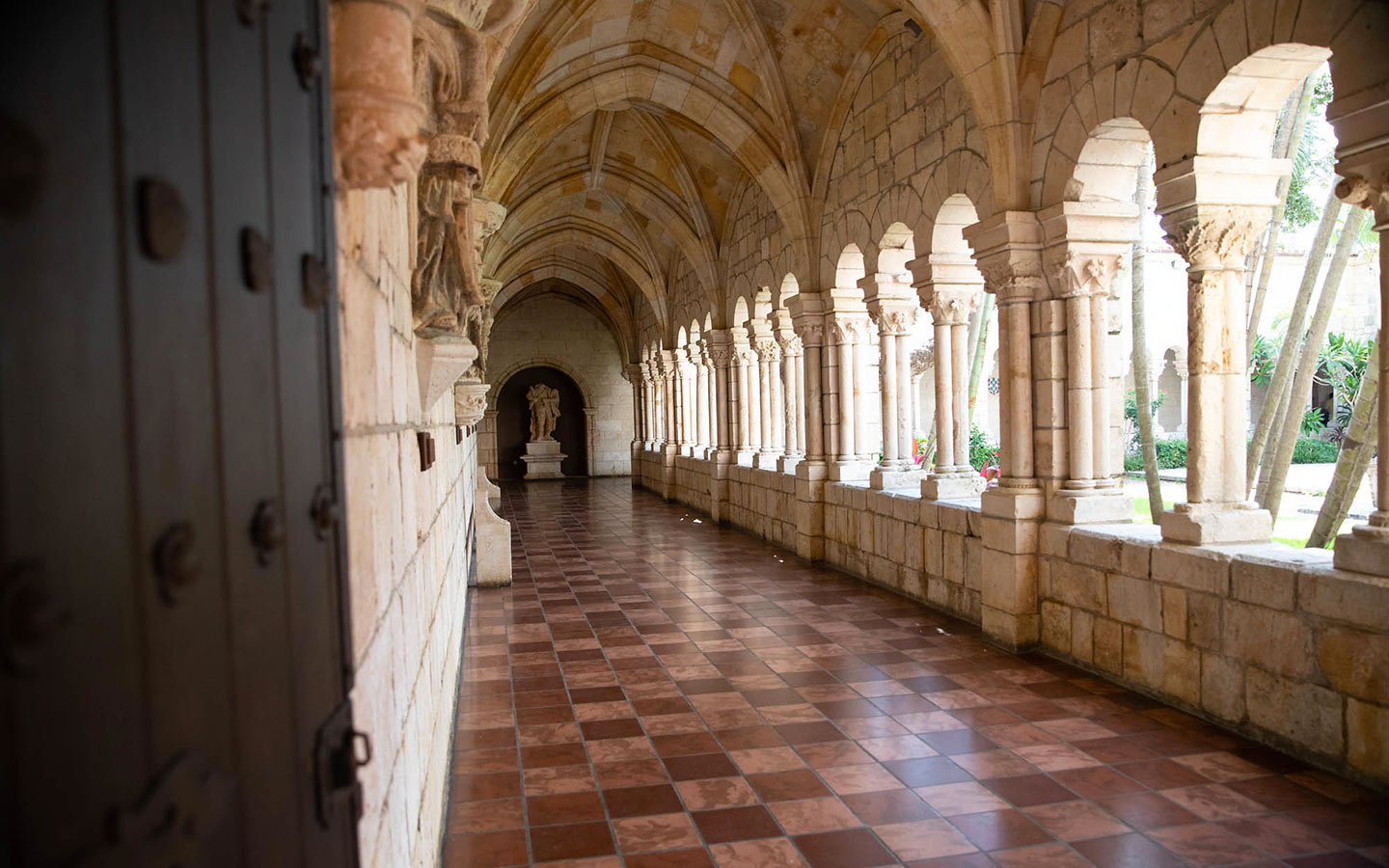
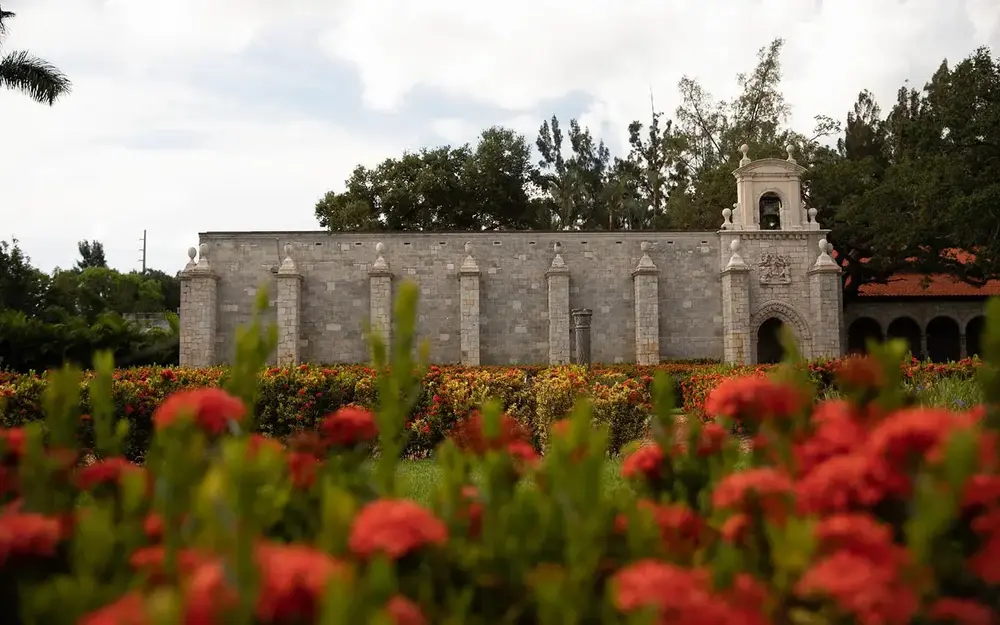
A little-known fact: The oldest structure in the Western Hemisphere is in North Miami Beach. History buffs shouldn’t skip the Ancient Spanish Monastery, a building constructed in Spain in 1133 A.D. then occupied by Cistercian monks. William Randolph Hearst bought the structure in 1925, dismantled it stone-by-stone and shipped it to the United States, where 11,000 boxes were stored in a Brooklyn warehouse for nearly 30 years. In 1952, after Hearst died, two entrepreneurs transplanted the pieces from Brooklyn to Miami to rebuild the monastery, where services are still held today.
Laying The Groundwork For Modern Miami
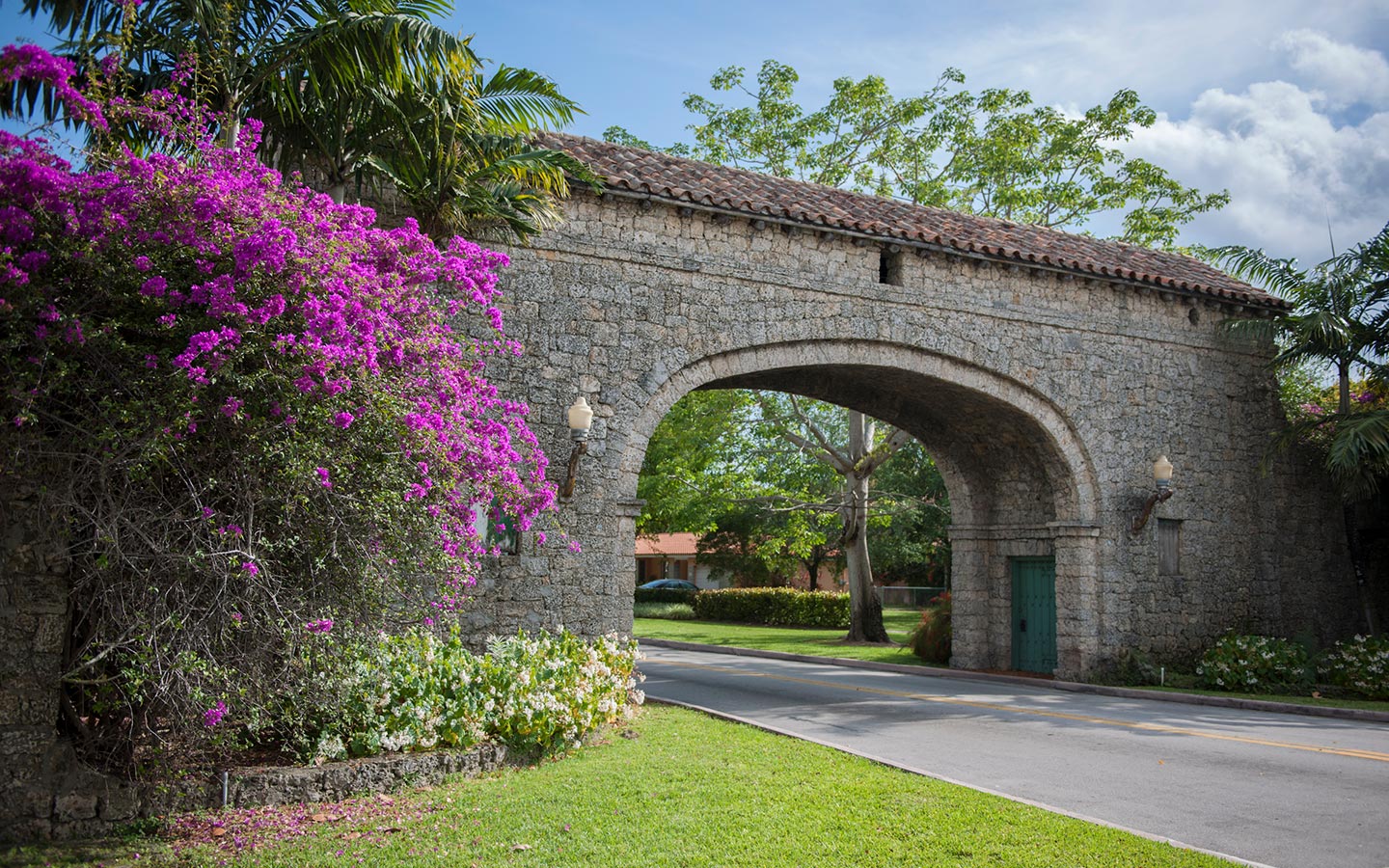
By the 1920s, Miami was experiencing the boom that would lay the foundation for the structure of the city we know today. Neighborhoods like Coral Gables quickly developed, and Miami’s size expanded by nearly three times.
Although the economic collapse of the 1930s during the Great Depression rippled throughout the nation, Miami weathered the storm, with a temporary setback in the early 1930s, when it shifted toward a more affordable tourism market with moderately priced hotels. World War II turned Miami into a military town. The Navy established a base at the Port of Miami, today’s PortMiami, where blimps armed with bombs, machine guns and a crew of 10 sailors patrolled the skies and combatted Nazi U-boat threats. The Air Force took over hotels in Miami Beach and repurposed them as military hospitals.
Celebrate Rich Heritages and Cultures
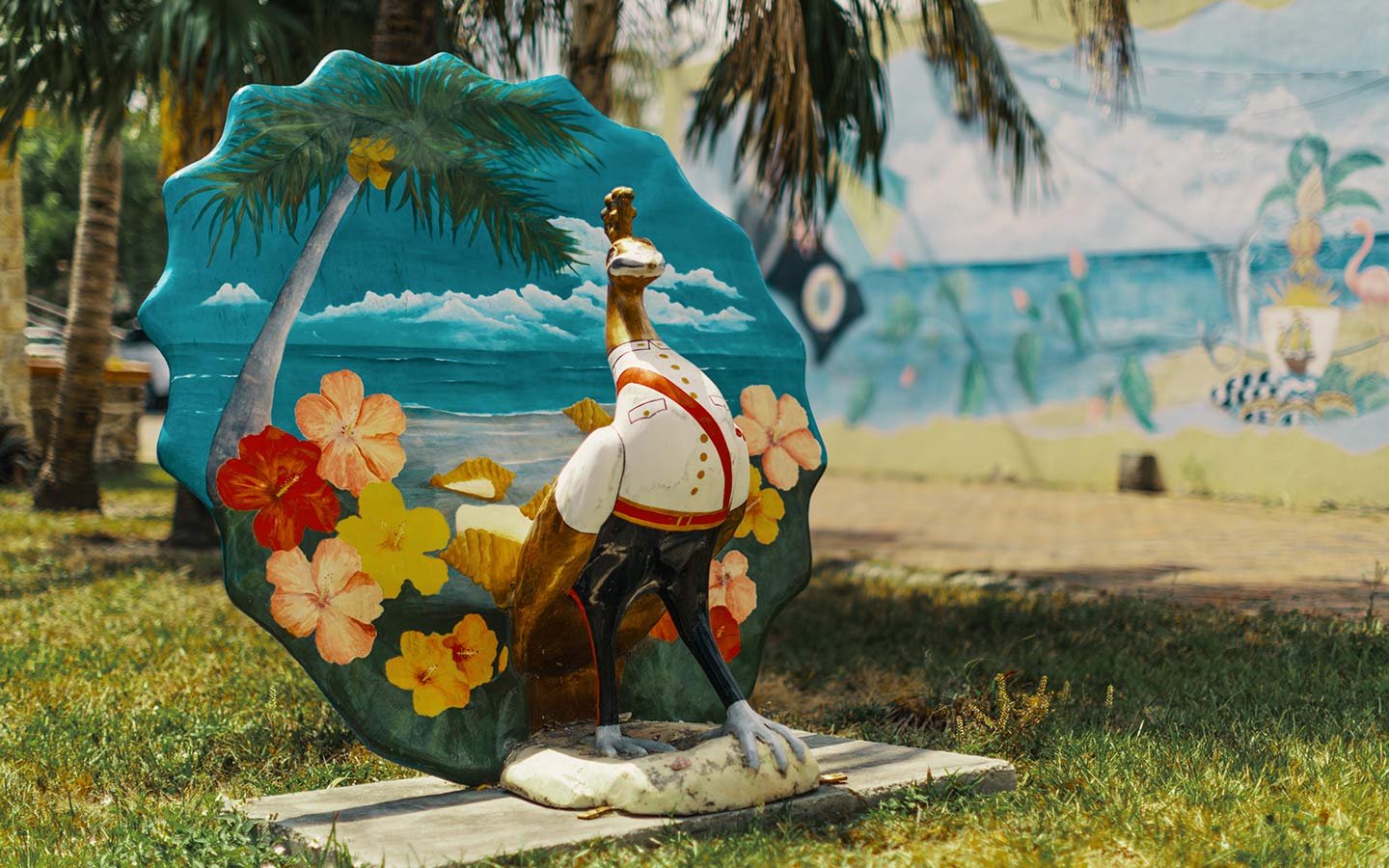
In the late 1870s, the first Black community of Bahamians arrived in Miami, playing a crucial role in the development of Coconut Grove. Throughout the 20th century, Black laborers shaped the construction of Miami’s early infrastructure, including railroads and hotels.
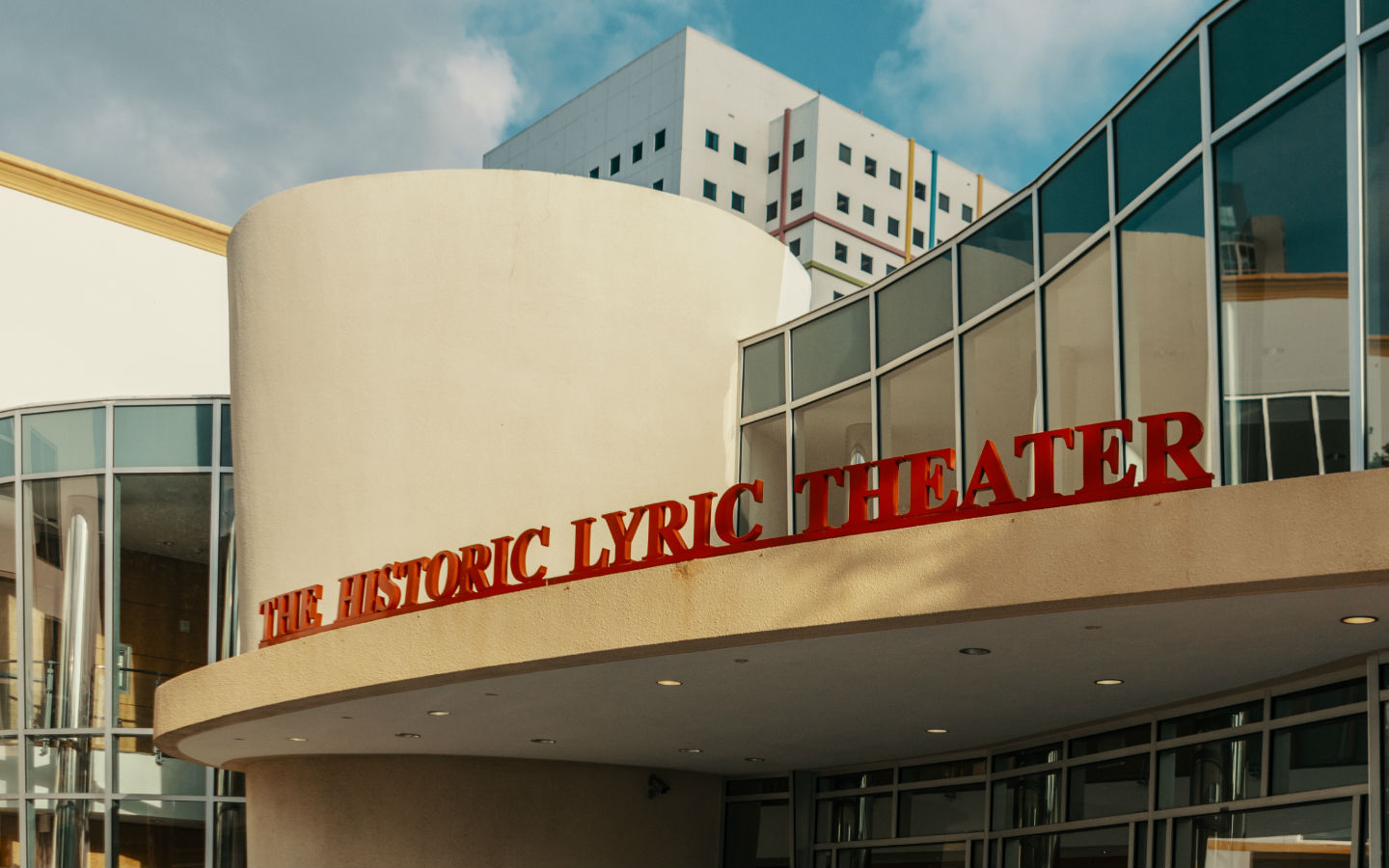
The iconic neighborhood of Historic Overtown, established in the early 1900s during segregation, became a thriving center for Black commerce. Historical sites like the Black Archives Historic Lyric Theater Cultural Arts Complex stand as testaments to the community’s rich past.

The arrival of Haitian immigrants fleeing political and economic turmoil in the 1960s, ‘70s and ‘80s created communities like Little Haiti. Miami’s Black community encompasses people of African descent from across the globe, including African Americans, Afro-Caribbeans, like Jamaicans and Trinidadians, Afro-Latinos and recent immigrants from African nations. This diversity is reflected in the music, cuisine, art and religious practices that define Black Miami.
Exploring Miami’s Historical Gems
From the Tequesta people’s ancient settlements to the Art Deco glamour of the 1920s, Miami’s past resonates in its iconic landmarks. Discover the stories of these historical sites and get a glimpse into the cultural journey that continues to shape this dynamic city today.
Coconut Grove
You can visit many historic sites in Coconut Grove, Miami's oldest community, some showcasing traces of its pre-1896 "Era of the Bay," when all travel to and from the area was by sea. Bahamians arrived in Coconut Grove in the late 1800s, with many finding work at the bustling Peacock Inn, a central hub for the growing community. Their expertise in tropical plant life, construction and agriculture shaped the neighborhood’s early development and established the very grounds that became Peacock Park, a scenic green space overlooking Biscayne Bay.
Downtown Miami & Brickell
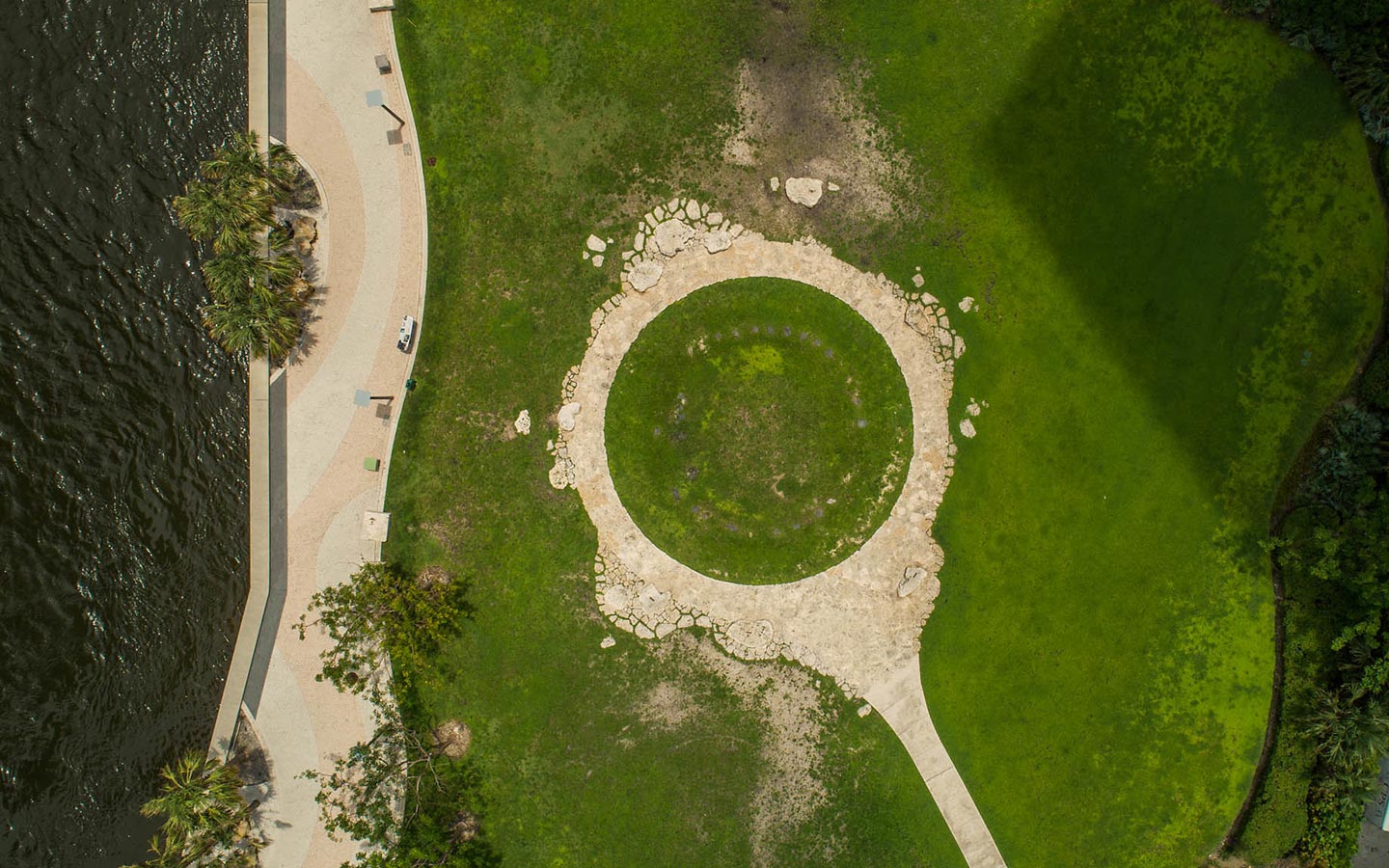
Downtown Miami & Brickell are known for their rich history, with roots extending back to the Tequesta people. Remnants of Miami’s earliest inhabitants can be found at the Miami Circle, an archeological site located near the Miami River. The area around the Miami River was initially settled in the 1870s.
By the 1890s, Downtown Miami began to flourish as the heart of Miami’s development with the arrival of the railway. Brickell is named after William and Mary Brickell, who established a trading post near the river. Mary Brickell was a key figure in designing Miami's Brickell area and the neighborhoods known as The Roads and Millionaire's Row. Despite the segregation prevalent at the time, she provided loans to Black people and Seminoles, helping them achieve property ownership.

Art Deco Inspiration
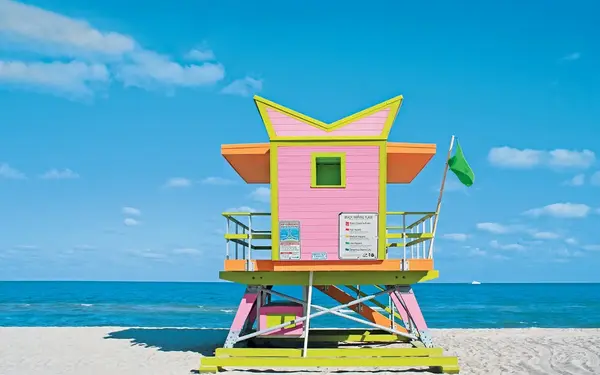
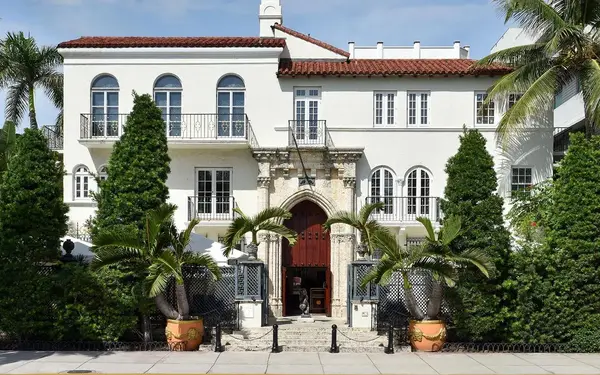
Did you know Miami Beach has the largest concentration of Art Deco architecture in the world? Following the vision of automobile pioneer Carl Fisher, who transformed the beachfront into a popular vacation spot in the early 1900s, the 1920s and 1930s witnessed a surge in Art Deco design. In 1976, in response to the decline of the Art Deco buildings, the Miami Design Preservation League stepped in to save the structures and nationally register them as the Art Deco District in 1979. Architectural themes like pastel-hued buildings, geometric facades, nautical details and porthole windows offer a peek into Miami’s past and the influence of the Art Deco movement today.
Partners Mentioned In This Article
Explore Art, Culture and History In Coral Gables
History of the Miccosukee Tribe
George Merrick's 7 Unique Villages in Coral Gables
Historic Treasures in Homestead
Explore 12 Historic Sites In Little Havana
Opa-locka: The History Of One Of America's Most Unique Cities
Historic Overtown Guide