














Guided Swamp Walk Tours
- October 07, 2026
Greater Miami and Miami Beach is known for its beautiful beaches and turquoise waters, but some of the destination’s most remarkable landscapes lie just beyond the shoreline. Inland, freshwater sloughs wind through the cypress forests of Everglades National Park and neighboring Big Cypress National Preserve, where guided swamp walks take visitors directly into extraordinary wetland ecosystems. Closer to Biscayne Bay, those wetlands transition into mangrove swamps explored by kayak, paddle board or boat beneath twisting green canopies.
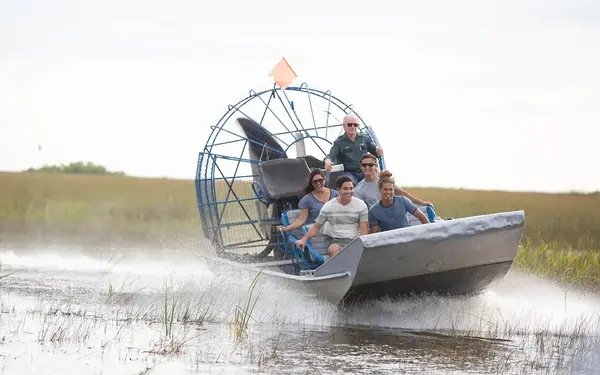
A guided swamp walk, also called a wet walk or slough slog, invites visitors to experience the Everglades from inside the landscape rather than viewing it from a boardwalk or speeding past on an airboat. Wading through slow-moving water, experienced naturalists reveal the remarkable ecology, wildlife and history of these internationally significant wetlands. Along the coast, guided paddle and boat tours offer another perspective, exploring mangrove swamps that shelter marine life and help protect the shoreline.

What to Expect on a Guided Swamp Walk
Most guided swamp walks take place in Everglades National Park and neighboring Big Cypress National Preserve, roughly one to two hours west of Downtown Miami.
Unlike a traditional hike, guided swamp walks move at a relaxed pace. Most last 90 minutes to two hours and cover less than a mile, with naturalists stopping often to point out wildlife and explain the Everglades’ unique ecology. Depending on the season and location, visitors may wade through anything from ankle-deep water to knee- or thigh-deep sloughs.
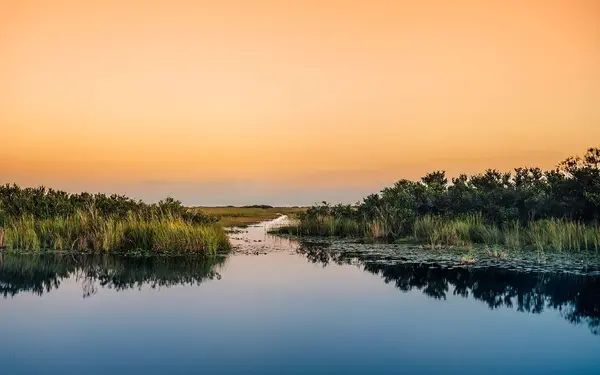
Far from the murky image many people associate with swamps, these freshwater wetlands are part of the slow-moving River of Grass. During much of the dry season, the water is surprisingly clear, naturally filtered by limestone and wetland plants. As you leave the open marsh behind and enter a cypress dome, the landscape changes almost instantly. The air feels cooler beneath the canopy, sunlight shines through the branches and the sounds of birds, frogs and buzzing cicadas replace the rush of everyday life.
Cypress domes get their name because the tallest bald cypress trees grow in the deeper, nutrient-rich center, while younger, shorter trees ring the shallower edges, creating a dome-like silhouette from a distance.
During the dry season, alligators are often seen resting in pools known as “gator holes,” which provide important refuge for fish, turtles and other wildlife, especially as surrounding water levels recede.

Where to Experience a Guided Swamp Walk
While both Everglades National Park and Big Cypress National Preserve offer exceptional opportunities, many naturalists consider Big Cypress one of the premier destinations for guided swamp walks thanks to its extensive cypress forests and remarkable biodiversity.
The National Park Service offers seasonal ranger-led swamp walks in both parks, with programs departing from locations including the Ernest F. Coe Visitor Center and, on select dates, Shark Valley. These small-group experiences focus on ecology, conservation and the history of the Everglades, and reservations are recommended.
For additional dates and more in-depth naturalist-led experiences, the Everglades National Park Institute and Big Cypress Institute, the nonprofit partners of the respective parks, offer guided walks throughout much of the year. Depending on seasonal conditions, programs may explore cypress domes, sawgrass sloughs and other areas of the Everglades’ ecosystem.
World-renowned photographer and conservationist Clyde Butcher also offers customized swamp walks on his private 13-acre preserve within Big Cypress. Guests can pair a guided outing with time in his gallery, and limited on-site accommodations are available for those looking to extend their stay.
Visitors can book full-day guided eco-tours that include transportation and combine swamp walks with other Everglades experiences. Wild Lime Adventures offers pickup options and multi-day eco-adventures for travelers looking for a seamless way to explore the wetlands.
Wildlife Encountered During a Swamp Walk
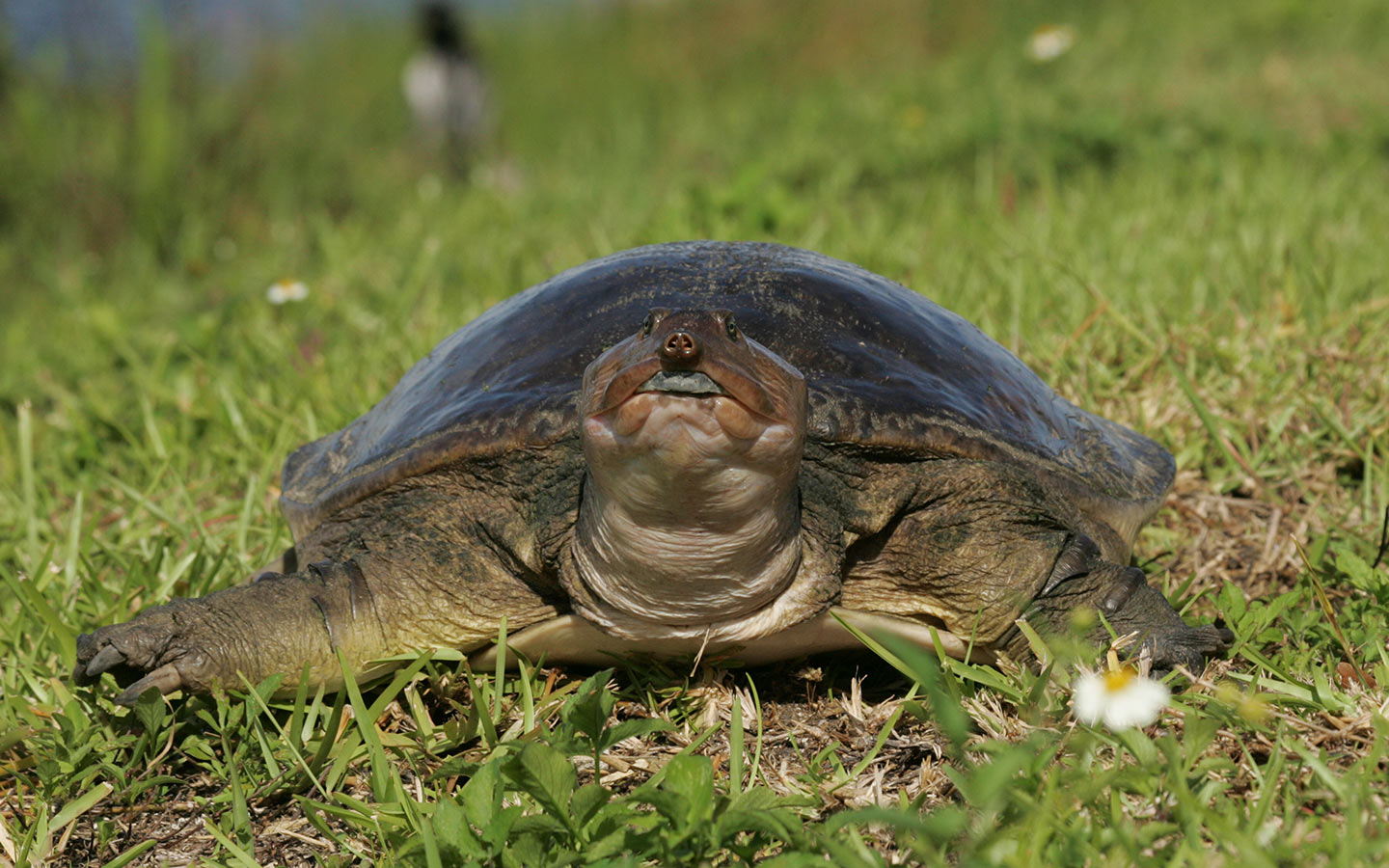
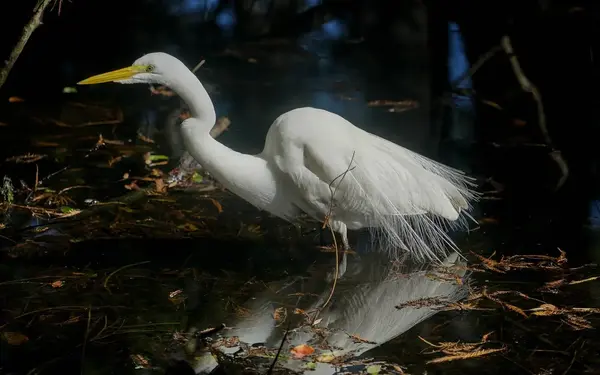
Exploring on foot reveals wildlife that is easy to miss from a roadway or airboat. Tiny fish scatter through the clear water, colorful tree frogs hide among bromeliads and barred owls often rest quietly in the canopy. Great blue herons, white ibis, wood storks and anhingas are frequently seen feeding in the shallows, while alligators bask nearby or rest in deeper pools.
The wetlands are just as remarkable for their plant life. Air plants, ferns and native orchids grow directly from cypress trunks and branches, transforming the forest into a hanging garden.
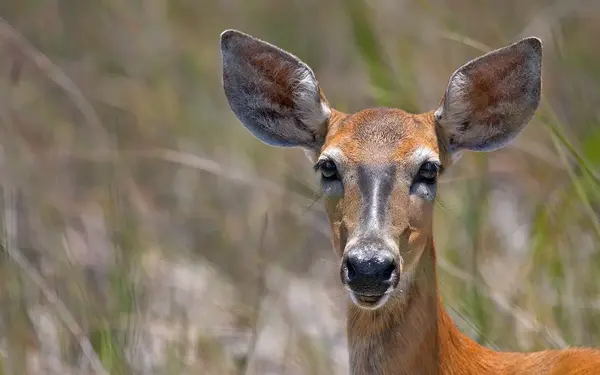
Wildlife changes with the seasons, so no two walks are exactly alike. You may also spot river otters, marsh rabbits, white-tailed deer or other elusive mammals.

Explore Miami’s Coastal Mangrove Swamps
As the Everglades gradually meets Biscayne Bay, the landscape transforms into another type of wetland.
Unlike freshwater cypress swamps, mangrove forests are a maze of roots that are too dense to explore on foot, making them the ultimate destination for guided kayak, paddle board or eco-boat tours, and even snorkeling trips. However, their dense root systems create sheltered nurseries for fish, crabs and countless other marine species while helping protect the coastline from erosion and storms.
Tours offer a chance to glide through mangrove tunnels to spot wading birds, manatees, dolphins and schools of juvenile fish. Popular places to experience Miami’s mangrove swamps include Oleta River State Park, Biscayne National Park, Crandon Park in Key Biscayne and Deering Estate in Palmetto Bay.
Planning Your Swamp Experience
Guided swamp walks are most common during the cooler, drier months from late fall through spring, when temperatures are more comfortable for wading, mosquitoes are fewer and wildlife is often easier to spot.
Summer offers a different perspective, with lush landscapes, higher water levels and frequent afternoon rain showers. Coastal mangrove tours can be enjoyed throughout the year.
Safety Considerations
First-time visitors are often surprised by how comfortable a guided swamp walk feels. Experienced naturalists select routes based on current conditions, provide walking sticks for balance and share their knowledge of local wildlife and geology throughout the journey.
Wildlife, including alligators, is best observed from a respectful distance, and your guide will explain how to safely enjoy every encounter.
Wear lightweight clothing that can get wet along with secure, closed-toe shoes that lace tightly to your feet. Bring drinking water, reef-safe sunscreen, environmentally friendly insect repellent and a dry bag for electronics. To help protect these extraordinary wetlands, stay with your guide, leave no trace and pack up anything you bring with you.

Best Places To Eat Near Everglades National Park
RVs and Camping in Miami
Plan Your Trip to Everglades National Park
Top Hiking Trails in Everglades National Park
Wildlife in Big Cypress National Preserve
The Best Everglades Water Sports and Boating

Your Guide to Pickleball in Miami
