













Wildlife in Biscayne National Park
- November 02, 2026
Biscayne National Park spans about 270 square miles of turquoise waters, mangrove shoreline and the northernmost Florida Keys. Unlike most national parks, 95% of Biscayne National Park is underwater, making boat access or water-based activities essential to fully experience its wildlife.
From vibrant coral reefs to calm bay waters, visitors can explore a range of marine ecosystems through boating, snorkeling and paddling. The park protects an exceptional diversity of wildlife, making it a top destination for nature enthusiasts, wildlife lovers and eco-conscious travelers.
Marine Ecosystems
Most of Biscayne National Park is composed of interconnected marine habitats that support an incredible variety of wildlife. Its coral reefs, part of the third-largest barrier reef system in the world, are home to countless marine species. Nearby seagrass beds act as underwater nurseries where young fish, crabs and other sea life grow and thrive.
Mangrove forests along its shoreline help protect the coast from erosion and provide shelter for juvenile marine animals and birds. The waters of Biscayne Bay form a unique estuary where fresh water and salt water mix, making the park one of the most important natural environments.
Wildlife
Whether you’re boating in the open waters or exploring shallow bays and islands, the park offers abundant opportunities to encounter wildlife. Living among its diverse ecosystems are more than 600 species of native fish and sea life, neotropical water birds and 29 threatened and endangered animal species.
Marine Life
Schools of tropical fish, like angelfish, sergeant majors, butterfly fish and colorful parrotfish, can be found throughout Biscayne National Park’s coral reef ecosystem. You can also spot bright sponges, sea fans, barracuda, and even giant moray eels just below the surface.
Southern stingrays are commonly seen cruising the seabed or tucked into a sandy outcropping. Several species of sharks can also be found, with the nurse shark most often seen resting on the bottom, as well as sightings of species ranging from the small bonnethead to the tiger shark or the critically endangered smalltooth sawfish.
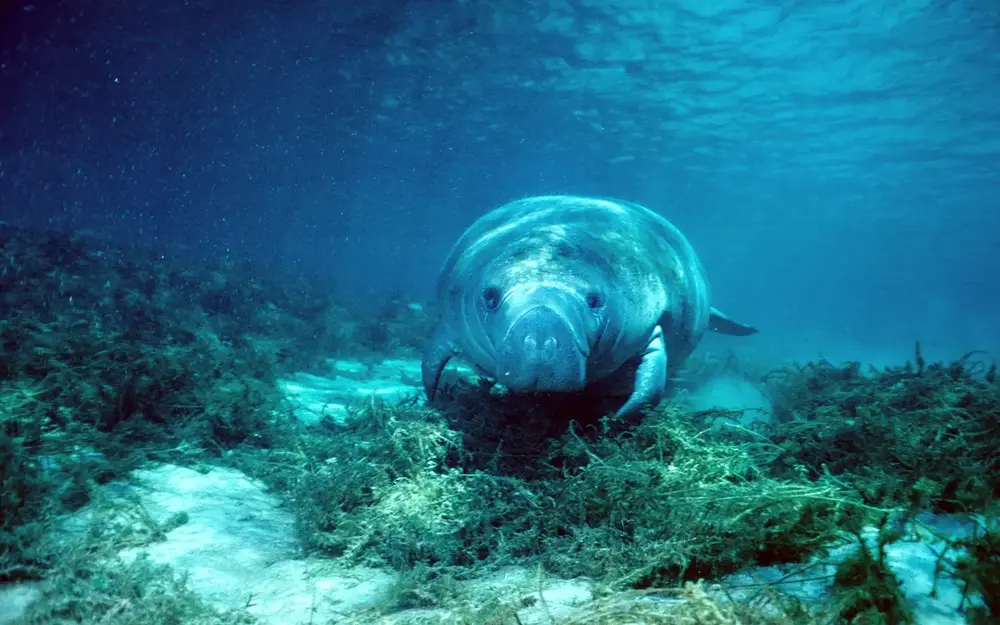
Manatees, which are protected under federal and state laws, are often seen from docks, boats or while paddling, with the best chances for sightings from November through March. Dolphins are present year-round and may occasionally swim alongside boat wakes.
Jellyfish blooms occur in the summer, and the Cassiopea, a colorful upside-down jellyfish, is found in the mangrove mudflats by the islands. Spiny lobsters are also found in the park, though harvesting requires a Florida fishing license. Be sure to follow lobster harvest rules and no harvest zones.
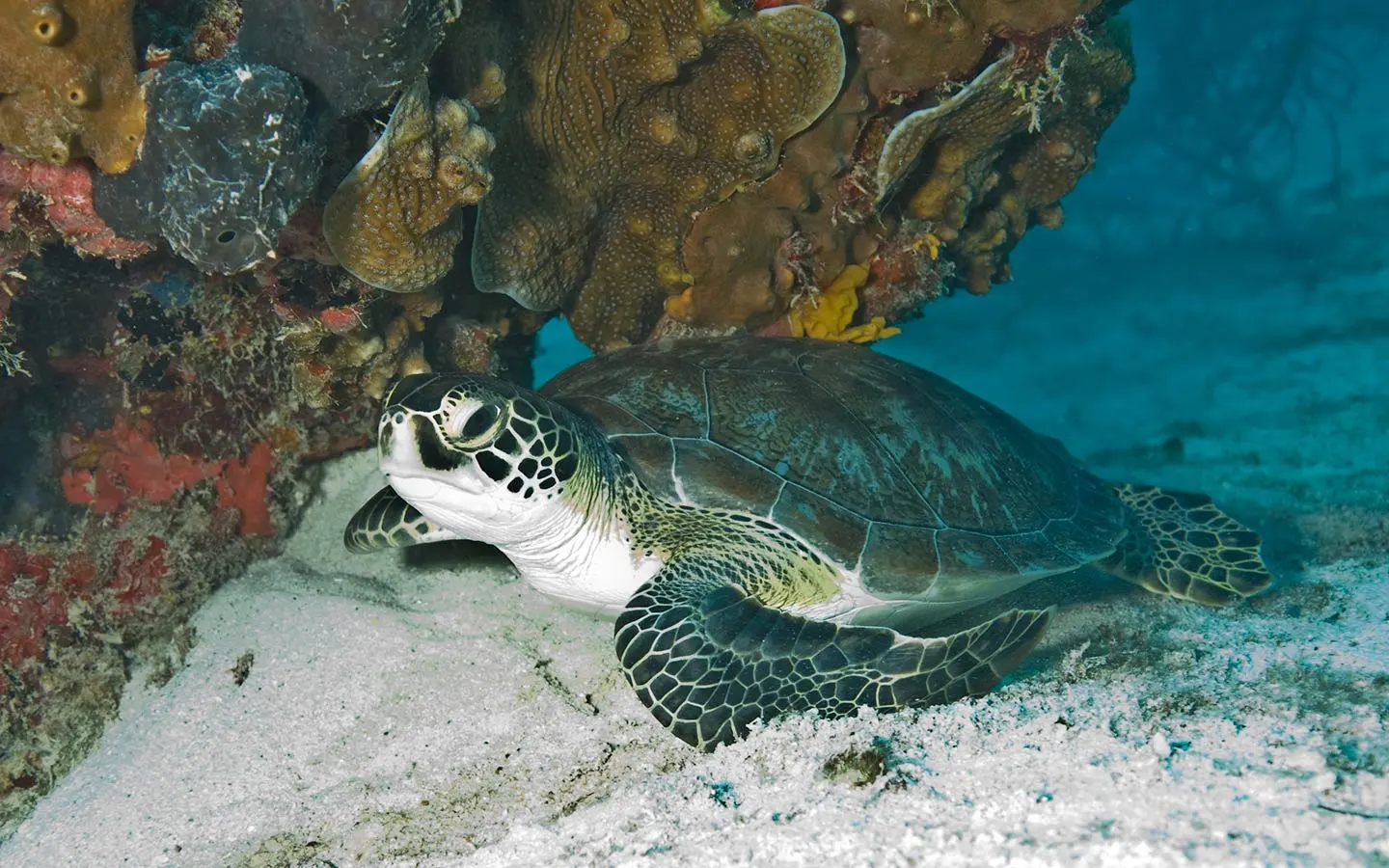
Reptiles
Sea turtles, including loggerhead and green turtles, inhabit the park and come ashore to nest from April through October. The American crocodile may be seen on occasion in brackish water, though sightings are less common. There is no shortage of lizards and iguanas scurrying around or resting in the sun.
Birds
Coastal and wading birds are regularly seen along mangroves and shorelines. Pelicans, herons and ospreys are frequently spotted, offering excellent opportunities for bird watching throughout the park, including rookeries where birds gather to nest.
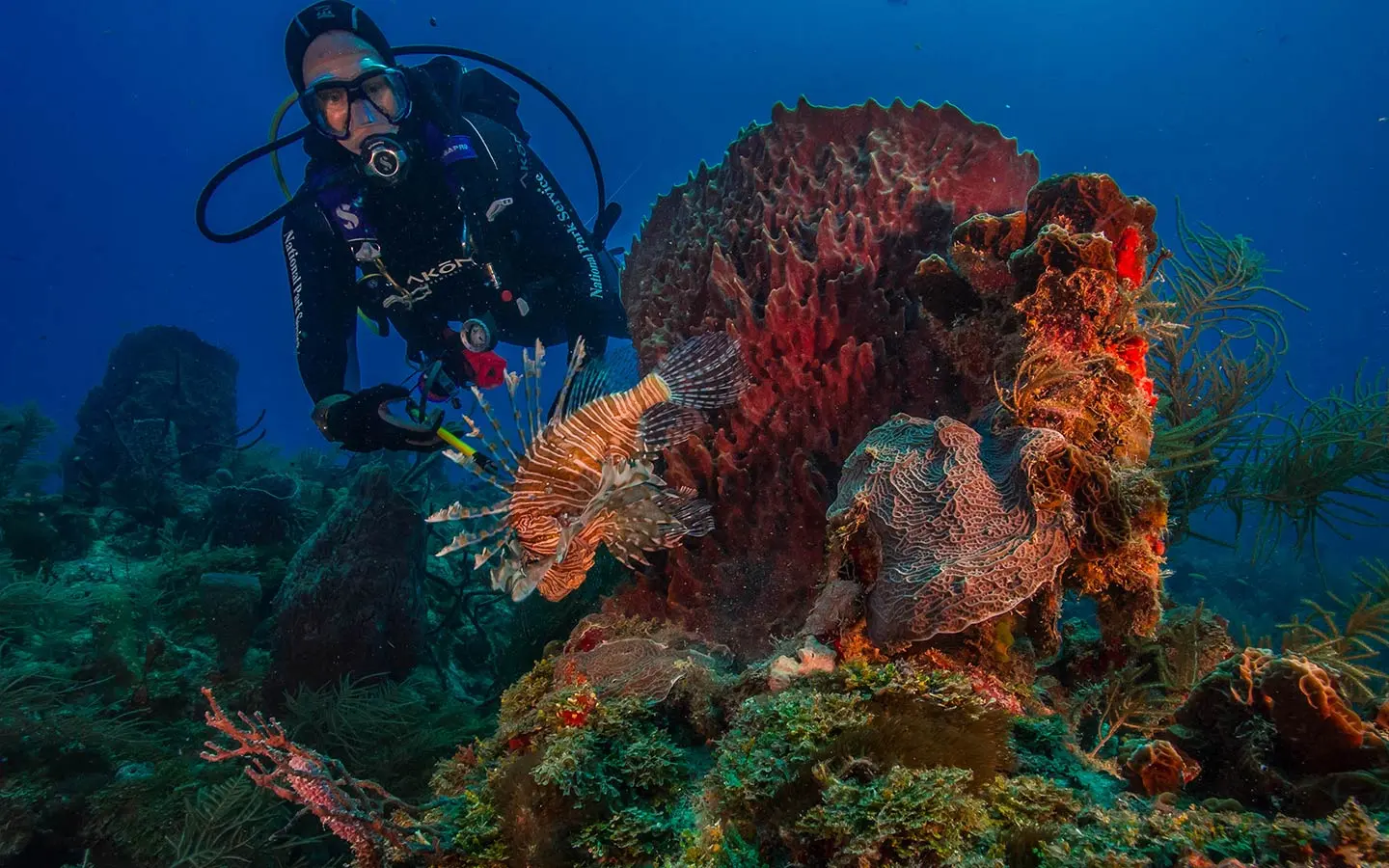
Invasive Species
The lionfish, while visually striking, is an invasive species that threatens native reef ecosystems. With few natural predators, lionfish can disrupt the balance of marine life by preying on smaller native species. Hunting them is allowed within the national park without limits or seasonal restrictions. Other invasive species in the park include the black rat, giant toad, monitor lizard and green iguana, as well as various exotic plants such as Bermuda grass and coconut palm.
How To Explore
There are many ways to encounter wildlife, whether exploring on your own, joining guided experiences or dipping below the surface:
- Snorkeling offers a closer look at coral reefs and tropical fish in clear, shallow waters, making it accessible for beginners and experienced visitors alike.
- For certified divers, scuba diving opens reef environments and shipwreck sites that are home to corals, fish and other marine life.
- Kayaking and paddleboarding along mangrove shorelines and calm bay waters are a quieter way to observe birds, fish and manatees.
Guided Tours and Access
The Dante Fascell Visitor Center in Homestead is a key starting point, offering exhibits, trip-planning resources and ranger-led programs.
Guided experiences are available through the Biscayne National Park Institute, which offers snorkeling trips, boat tours and eco-adventures led by naturalists. Its Jones Lagoon excursion offers opportunities to see rays, upside-down jellyfish, schools of fish, baby sharks, turtles and nesting birds.
Private operators such as Ace Diving and Diver’s Paradise are permitted to operate in the park, offering snorkeling and scuba diving excursions, including night dives for certified divers, when nocturnal life, such as octopus, may be observed.
In North Bay Village, Pelican Harbor Seabird Station offers opportunities to learn about native wildlife rescue and rehabilitation, as well as sunset tours to see lively rookeries. The free Saturday tour includes a chance to meet and feed their ambassador animals.
Tips for Eco-Friendly Visiting & Safety
- To protect the park, do not touch coral or marine life.
- Observe wildlife from a safe distance.
- Use reef-safe sunscreen to help preserve delicate ecosystems.
- Practice safe and responsible boating to avoid damaging seagrass beds and coral reefs.
- Bring away all trash.
- When snorkeling or diving, have a buddy, and stay aware of your surroundings and marine conditions.
Partners Mentioned In This Article
Plan Your Trip to Everglades National Park
What to See and Do in the Florida Everglades

Best Places To Eat Near Everglades National Park

Get the Squad Back Together in Miami's Best Parks for Reunions

Hike Gumbo Limbo Trail
The Best Everglades Water Sports and Boating

Accessible Activities in Big Cypress National Preserve