















Wildlife in Everglades National Park
- August 14, 2026
The Everglades is a unique subtropical wilderness, featuring a vast network of wetlands, marshes, prairies and forests that support an extraordinary variety of wildlife. An hour’s drive from Downtown Miami, Everglades National Park covers more than 1.5 million acres, protecting diverse habitats that sustain over 2,000 species of plants and animals, including more than 36 endangered and threatened species.
Everglades National Park is recognized as a UNESCO World Heritage site, an International Biosphere Reserve and a Ramsar Wetland of International Importance for its unique biodiversity. It’s a haven for nature enthusiasts, birdwatchers and eco-conscious travelers seeking to experience one of North America's most diverse ecosystems.

Ecosystems of the Everglades
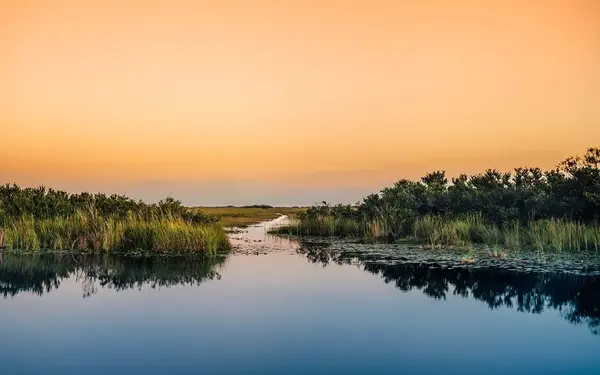
The Everglades is a patchwork of 9 distinct ecosystems. Freshwater sloughs and slow-moving waters, flowing at barely 2 inches per mile and roughly 100 feet per day, provide essential habitats for wading birds, fish and amphibians. Sawgrass prairies dominate large sections of the park, forming iconic expanses that ripple with the wind, giving it the name, “River of Grass.” Towering trees in the Pine Rocklands, which are critically imperiled, harbor a fire-dependent understory and rare wildlife. The dense, tropical hammocks create islands of shaded, closed-canopy forest, while cypress domes rise from standing water, forming habitats teeming with life.
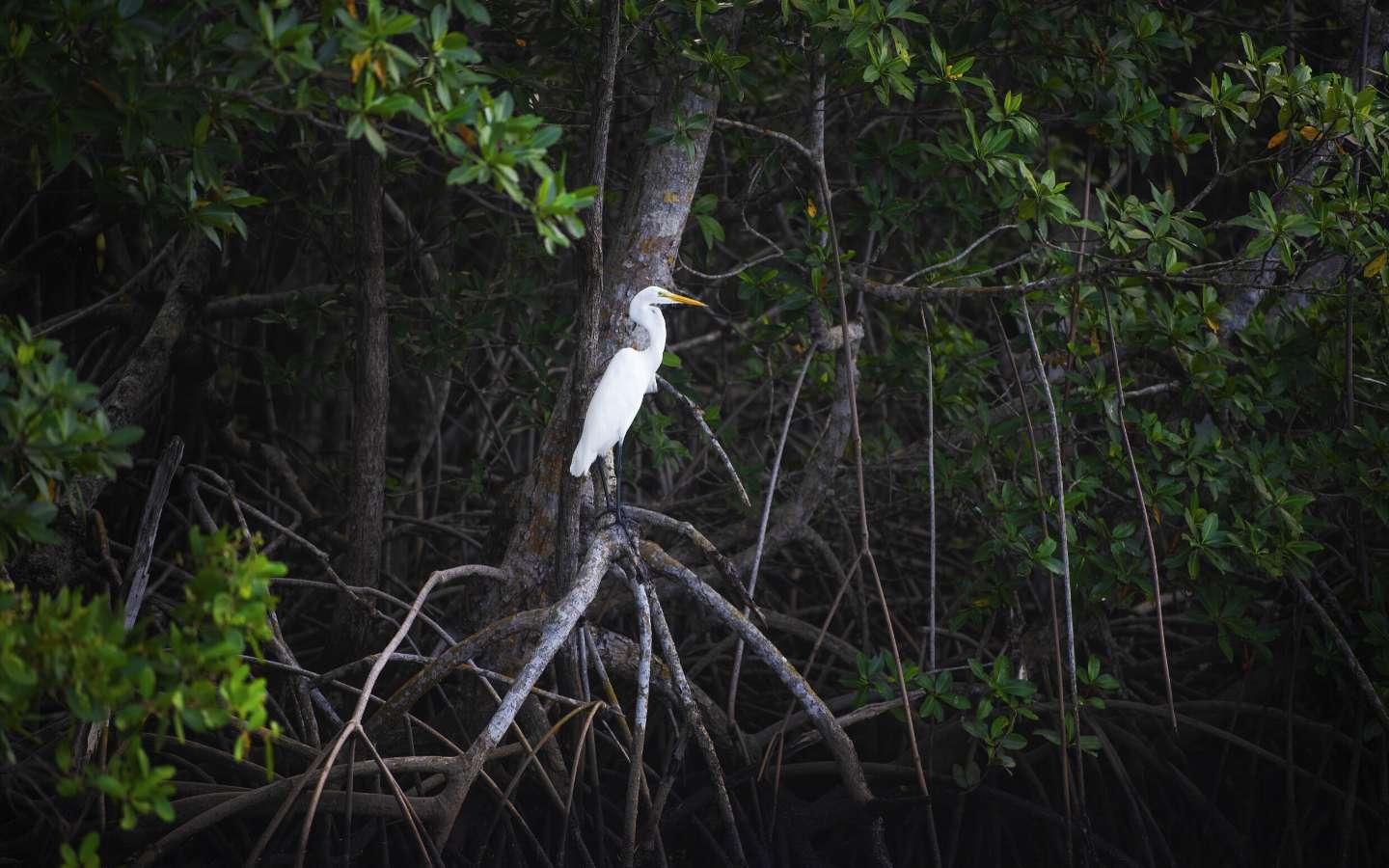
Along the coast, mangroves form where freshwater and saltwater meet, serving as nurseries for fish and crustaceans, filtering water and storing carbon. In fact, Everglades National Park contains the largest contiguous protected mangrove forest in the Western Hemisphere. In brackish estuarine waters, marine and freshwater species mix, creating biodiversity hot spots vital to the health of the overall ecosystem.
Wildlife of the Everglades
Visitors to the Everglades can expect to encounter an astonishing variety of wildlife.
Birds
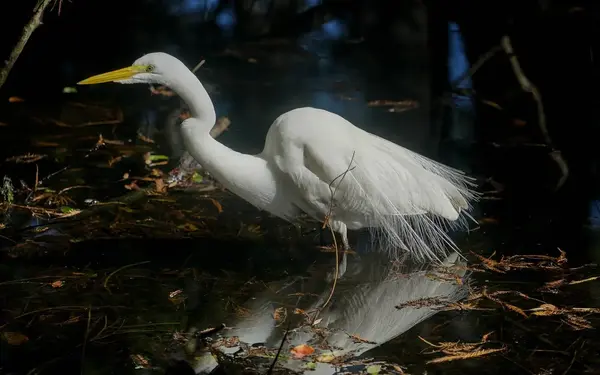
Birdwatchers are treated to a high concentration of avian species, especially during the spring migration, with over 360 species recorded. Many use the Everglades as a critical stopover along the Atlantic Flyway, the north-south migration route. Wading birds like wood storks and white ibis are commonly seen across freshwater marshes. Roseate spoonbills disperse at sunrise as they set out to forage. The endangered Snail Kite hunts apple snails over wetlands, while Barred, Great Horned and Barn Owls are primarily nocturnal. Look for the vibrant purple gallinule jumping across the lily pads at the Anhinga Trail or listen for the songs of the warblers perched in cypress and hardwood hammocks.
Mammals
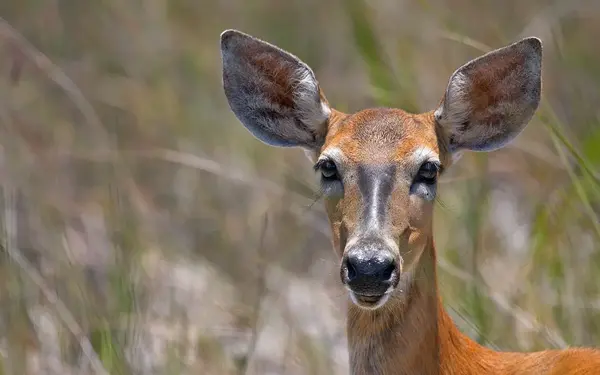
Mammals include white-tailed deer, raccoons, opossums and river otters, known for their playful behavior and strong swimming abilities. Rare sightings include the Florida black bear and the endangered Florida panther. Five primary bat species also inhabit the park, consuming thousands of bugs each night, however, it’s still recommended to bring insect repellent.
Reptiles, Amphibians and Invertebrates
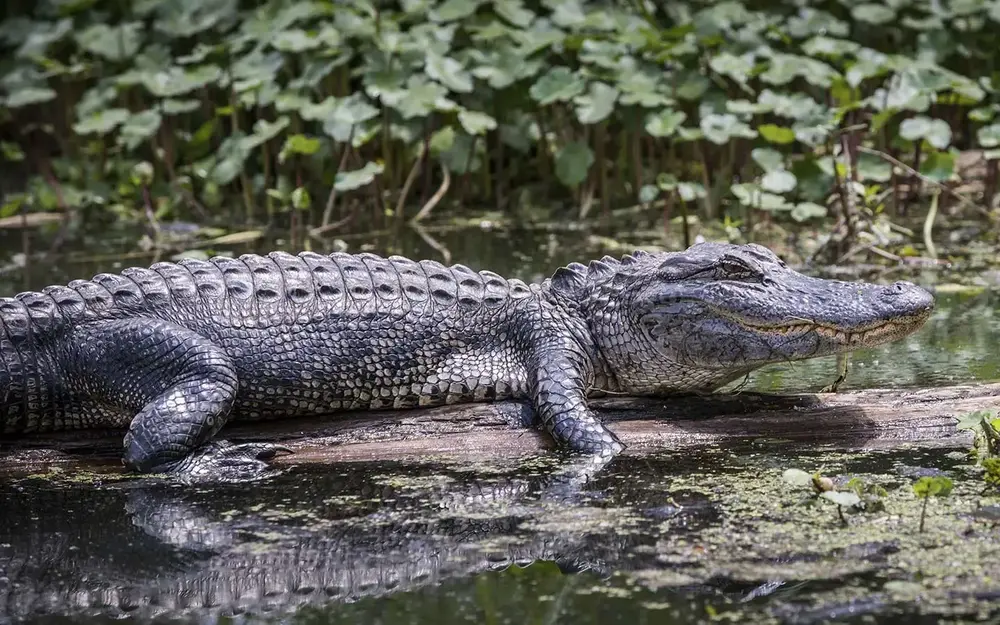
The American alligator is one of the most iconic residents, and you may see one with its mouth open to regulate body temperature or accompanied by hatchlings along the water’s edge. American crocodiles can be found in the brackish waters where rivers meet the sea, making this one of the only places in the world where alligators and crocodiles coexist.
Numerous snake species, frogs and a variety of turtles, including snapping and softshell turtles, also call the Everglades home. Invertebrates like butterflies and beetles produce constant buzzing and chirping, and mosquitoes can be abundant.
Aquatic Life
Aquatic life is equally diverse, with hundreds of fish species inhabiting freshwater and coastal environments. Snook, tarpon and snapper are commonly found, providing exceptional fishing experiences. Manatees glide through rivers and estuaries, while bottlenose dolphins are more often spotted in southern coastal areas of the park.
Flora
Over 1,000 plant species play a vital role in supporting the ecosystem. Sawgrass provides shelter for birds and fish. Bromeliads, also known as air plants, cling to tree trunks and branches, providing habitats for frogs, insects and birds. Orchids are found throughout the park’s ecosystems, including the rare and mysterious Ghost Orchid, of which an estimated 1,500 exist. Mangroves thrive where freshwater and saltwater meet, stabilizing coastlines and creating critical nursery habitats for fish, crustaceans and marine species.
Invasive Species
The park also faces serious threats from invasive species – including Brazilian pepper trees and non-native fish – that outcompete native species and disrupt the ecosystem balance. Burmese pythons prey on native wildlife, and have contributed to declines in small mammal populations, including the Everglades mink. Without natural predators, invasive species spread rapidly and compete for resources essential to native plants and animals.
Tours, Walking Trails and Excursions
Exploring the Everglades offers a range of opportunities to witness wildlife. Guided tours, kayaking trips and walking trails all provide unique perspectives on the landscape.
Airboat Adventures
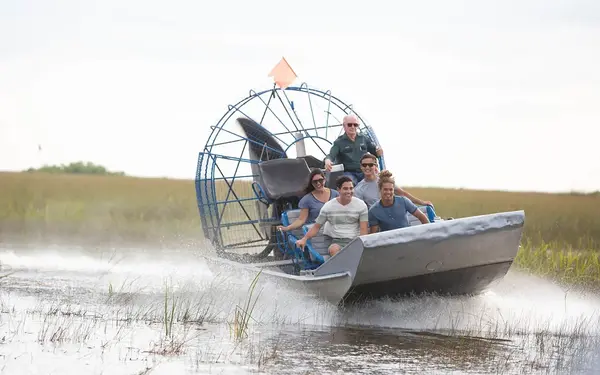
Airboat excursions, such as those offered at Everglades Holiday Park and Everglades Safari Park, allow visitors to glide across the marshes while spotting alligators, birds and other wildlife in their natural habitats. These centers generally offer wildlife shows, animal encounters, nature walks and unique food like gator bites.
Kayaking
For an immersive experience, try kayaking through mangrove tunnels or paddling along quiet sloughs. The Everglades National Park Institute offers naturalist-led, eco-adventure tours like the Nine Mile Pond paddling tour for opportunities to see alligators, crocodiles and various birds.
Walking and Biking Trails
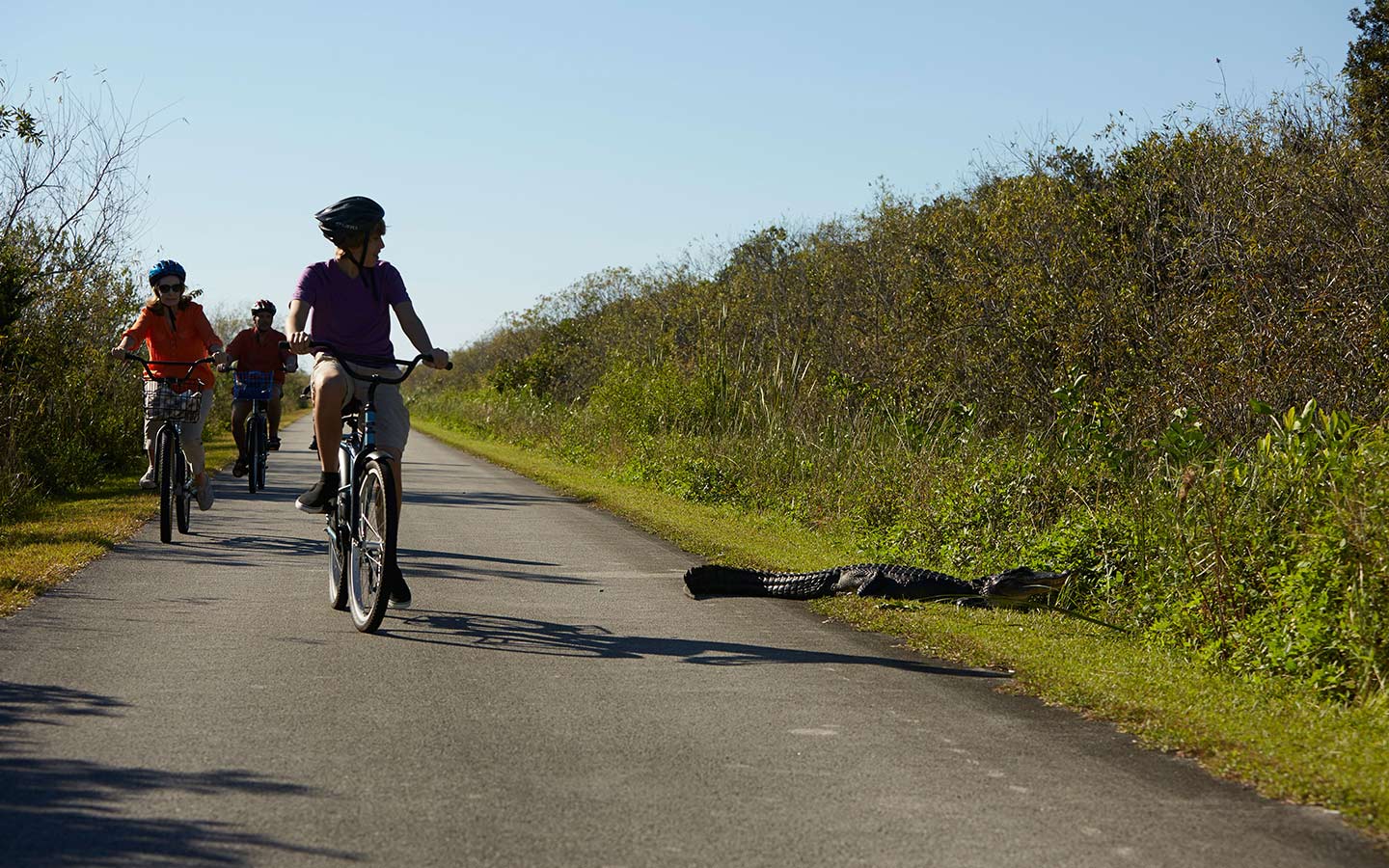
Walking and biking trails provide another way to explore at your own pace. The Anhinga Trail is one of the best spots for wildlife viewing, while Shark Valley Visitor Center offers bike rentals and a tram tour along a 15-mile loop where alligators, turtles and birds are frequently seen.
Visitor Centers
Located at the park entrances, visitor centers provide additional resources and exhibits. The Ernest F. Coe Visitor Center features interactive displays about the park’s biodiversity and challenges in the Everglades. The Shark Valley Visitor Center, along Tamiami Trail offers access to trails and ranger-led programs.
Tips for Responsible Visiting
Everglades National Park is a protected area, and all plants and animals are safeguarded by law. Maintain a safe distance from wildlife, use binoculars for closer viewing and never feed or harass wildlife. Rookeries, nesting grounds and denning areas should be respected, as disturbances can have serious consequences for young animals.
Invasive species management is also important. Report sightings of non-native species such as the Burmese python to the Exotic Species Hotline (888) 483-4681 (888-IVE-GOT1). Follow “Leave No Trace” principles by traveling on durable surfaces, disposing of waste properly and leaving natural objects undisturbed. Pets are only allowed on leashes in designated areas and are not permitted on trails or in wilderness areas. Responsible exploration helps preserve the magic of the Everglades for future visitors.
Partners Mentioned In This Article
Plan Your Trip to Everglades National Park
Top Hiking Trails in Everglades National Park

Best Places To Eat Near Everglades National Park
The Best Everglades Water Sports and Boating

Enjoy a Family Outing to Knaus Berry Farm
Wildlife in Big Cypress National Preserve

South Dade Guide