


Snorkeling In Miami
- April 21, 2026
Exploring the world beneath the glittering turquoise waters of Greater Miami and Miami Beach is like visiting another planet, with over 60 species of tropical fish, sea turtles, stingrays and other animals who call Biscayne Bay and the Atlantic Ocean home.
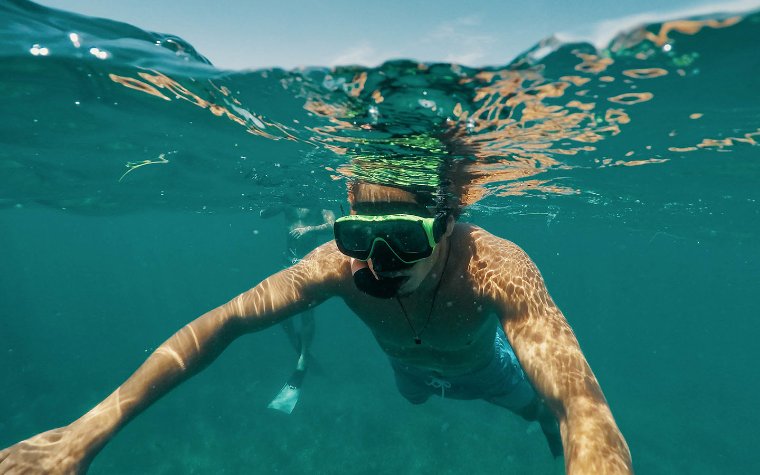
An up-close view of this colorful marine world doesn’t require a scuba certification, either. All you need is a mask, fins and snorkel because snorkeling in Miami is blissfully easy, especially if you know where to look.
Top Snorkeling Spots in Miami
Biscayne National Park
Miami-Dade is the only county in America that’s home to two national parks: Everglades National Park and Biscayne National Park. Biscayne is unique in that over 90% of the park is underwater, including over 100 shipwrecks along the Maritime Heritage Trail.
You can book snorkeling tours from the Dante Fascell Visitors Center in Homestead traveling right over the wrecks, then into back mangrove channels and over colorful coral reefs. Biscayne National Park Institute also offers offers tours from the marina at Coconut Grove.
Key Biscayne
Snorkeling is never easier than it is along the beaches of Key Biscayne, where you can wade into crystal-clear, knee-deep water and start your snorkel. Head to the beautiful parks at Bill Baggs Cape Florida State Park or Crandon Park and you’ll find crabs, barracudas, rays, angelfish and other marine life. The mangrove reef off of Crandon Park is particularly rich in marine life.
Rainbow Reef and Emerald Reef
Besides snorkeling on Miami’s beaches, you can also head out about a half-mile into the Atlantic Ocean, where you’ll be treated to some of the most stunning undersea vistas in the world.
Rainbow Reef and Emerald Reef are teeming with sharks and colorful tropical fish feeding off the reef that’s become home for diverse sea creatures. It’s too far to swim, so check with local snorkel tour operators to see who’s headed out there.
The Jose Cuervo Reef
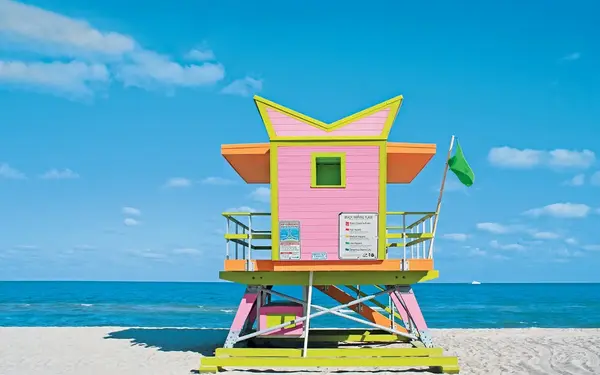
The best snorkeling spot near Miami Beach sits just southeast of the 2nd Street lifeguard stand near South Pointe Park. That’s where you’ll find the Jose Cuervo Reef, an actual bar sunk by the famous tequila brand back in 2000. Its most frequent visitors nowadays are nurse sharks, angelfish and other tropical creatures. The reef is about 15 to 20 feet deep, so if you’re not skilled at free-diving, it’s best viewed from the surface.
ReefLine
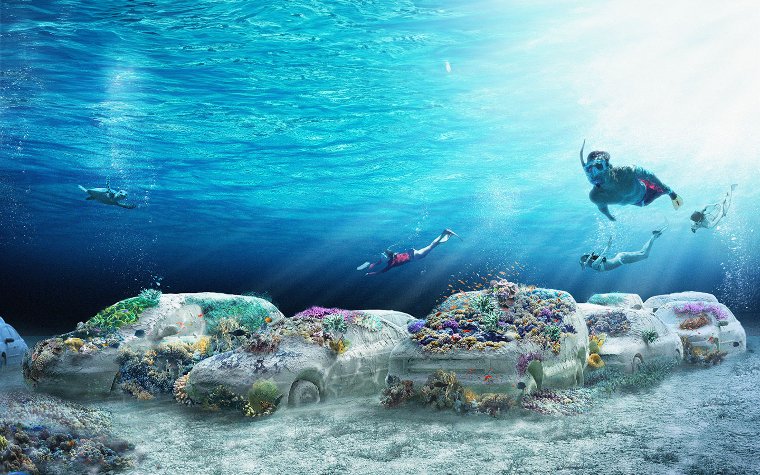
In summer 2024, work began on the long-awaited REEFLINE, a 7-mile underwater sculpture park and artificial reef. This multiphase project off the coast of Miami Beach is bringing art underwater, creating a series of sculptures that will become artificial reefs attracting all varieties of marine life.
The first phase is Concrete Coral, adapted from a viral Art Basel Miami Beach installation that depicted a traffic jam of cars made from sand, opened in 2025. This version uses concrete cars, perfect for housing colorful coral.
Miami Snorkeling Tours
While you can still have a perfect snorkeling day wandering the reefs just offshore, Miami snorkeling tour guides know the best spots for abundant tropical fish, and take the guess work out of the experience. Many also offer dive trips, so if you’ve got a certified scuba diver in your group, everyone can come along.
On Key Biscayne, Miami Eco Adventures operates a combined kayak and snorkel tour out of Crandon Park. You’ll immerse yourself in the old Florida nature of Bear Cut Preserve, then dive into the water and visit the undersea world before heading back to the beach.
The Biscayne National Park Institute runs snorkeling trips into the park from the Dante Fascell Visitor Center in Homestead and from Coconut Grove. Schedules change by season, so check with the park before you go.
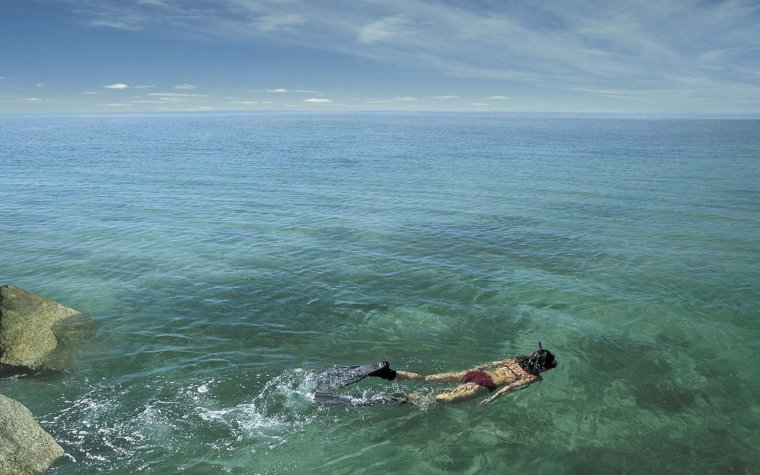
What to Expect When Snorkeling in Miami
Water in Miami is warm year-round, so even during winter, you won’t need a wetsuit. Though if water temps in the mid-70s are still too chilly for you, any dive shop can rent you one.
Visibility is generally about 30 to 50 feet, unless a storm system is offshore, so you’ll be able to see everything pretty easily.
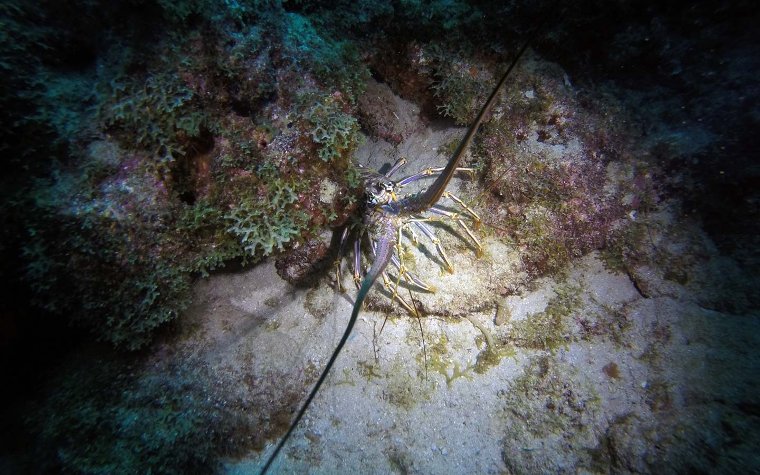
Expect to see colorful elkhorn, brain and sea fan coral reefs, angelfish, parrotfish, lobster, eels, rays, sea turtles, snapper and grouper and even an occasional nurse shark feeding around the reefs.
Gear, Getting Started and Safety Tips
Snorkeling is one of the easiest water sports to enjoy. Minimal equipment is required, and there’s easy access from right off the beach. All you need is a mask, fins and snorkel, and while dive shops sell high-quality advanced gear, you can find the basics at almost any drugstore in the area.
That said, if you don’t want to pack your new snorkeling kit in your luggage, you can easily rent gear at any number of dive shops around town, like Tarpoon Lagoon Diving Center in Miami Beach; Grove Scuba in Coconut Grove; and Underwater Unlimited in Coral Gables.
You’ll need a basic knowledge of swimming to enjoy snorkeling. The fins help propel you, but the ability to swim is crucial. Assuming you have the basic skills, the next step is getting your gear on properly. Put the mask on your face and adjust it for a good seal. Then, hold the mask up against your face without the strap attached and inhale through your nose to ensure the mask’s seal works.
Get in the water and put the fins on your feet, put the snorkel in your mouth and dip your face in the water. The sensation of breathing only through your mouth is a little strange at first, especially when surrounded by water. The key is to just relax. Once you get comfortable, it becomes second nature.
Remember, waves can dump salt water into your snorkel, so if you suddenly get a mouthful of the sea, blow out hard to clear it out, then continue breathing normally. Pop up out of the water every so often so you know where you are and, most importantly, relax.