














Top Hiking Trails in Everglades National Park
- April 14, 2025
Encounter another side of Greater Miami & Miami Beach with Everglades hikes that appeal to locals and visitors. Everglades National Park is a 1.5-million-acre mix of stunning prairies, pinelands, cypress trees and coastal low-lands. The park is located at the southern tip of Florida and is the largest subtropical wilderness in the United States. It offers an unforgettable landscape for adventure and hiking.
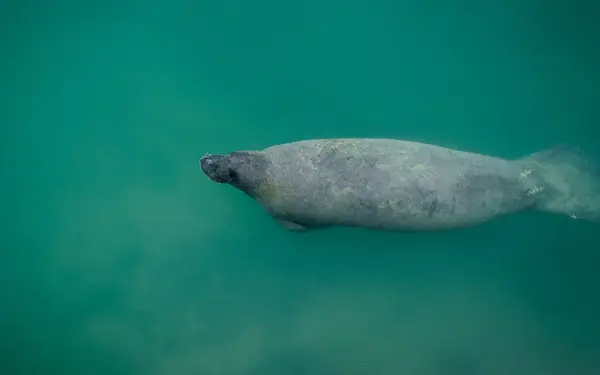
The Everglades is a habitat for numerous rare and endangered species, such as the manatee, the American crocodile and the elusive Florida panther. It is a UNESCO World Heritage Site and is considered a Wetland of International Importance.
Pine Island Trails Near the Ernest F. Coe Visitor Center
The Pine Island Trails are named for the pine trees that abound here. Most of the Pine Island trailheads for hiking can be found near the main Everglades National Park entrance, in Homestead: the Ernest F. Coe Visitor Center.
Many of these trails are known for “tropical hammocks,” a combination of dense, broadleaf trees and scrubs – most indigenous to the West Indies – that constitute a unique ecosystem. The word hammock was traditionally used by sailors to describe tree-covered islands they saw on the horizon.
Anhinga Trail
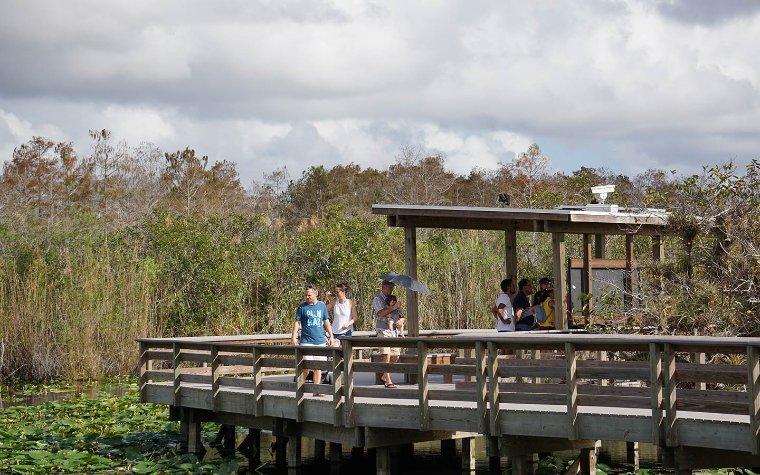
Known for its bird sightings, the Anhinga Trail leads through the sawgrass prairie of Everglades National Park. The trail is located at the Royal Palm Visitor Center, four miles past the Ernest F. Coe Visitor Center. It is known for its bird sightings and is one of the park’s most popular trails. Its name – a'ñinga – derives from the Brazilian Tupi language and means "devil bird.” The birds are also called snakebirds, darters, American darters or water turkeys. Along this trail, visitors can see anhinga, herons, egrets and alligators. The path is considered a paradise for bird watchers and butterfly lovers.
Trail Length: 0.8 miles round trip
Wheelchair Accessible: Yes
Bicycles Allowed: No
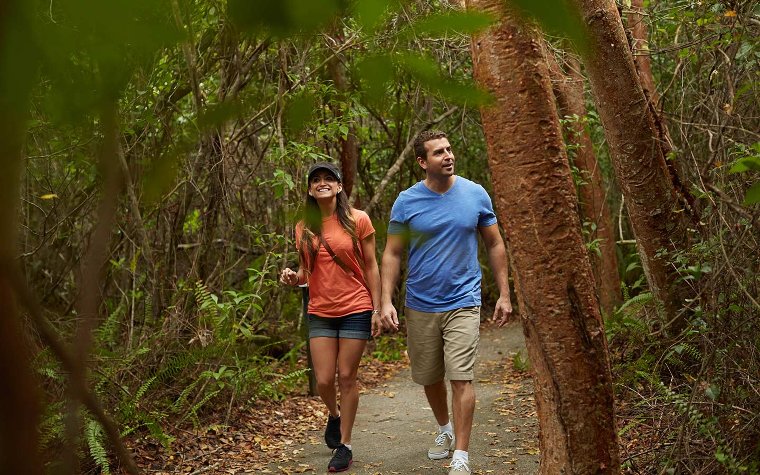
Gumbo Limbo Trail
This walk, which is also located at the Royal Palm Visitor Center, is a self-guided, paved experience that winds through a maze of royal palms and ferns that embody Everglades hiking trails and hiking in Florida. The Gumbo Limbo Trail is also home to the state’s famous gumbo limbo trees.
Trail Length: 0.4 miles round trip
Wheelchair Accessible: Yes
Bicycles Allowed: No
Mahogany Hammock Trail
The Mahogany Hammock Trail is a self-guided boardwalk that winds through hardwood hammocks filled with gumbo-limbo trees, air plants and the largest living mahogany tree in the United States. It’s located 20 miles from the Ernest F. Coe Visitor Center.
Trail Length: 0.5 miles round trip
Wheelchair Accessible: Yes
Bicycles Allowed: No
Flamingo Trails Near the Guy Bradley Flamingo Visitor Center
The Flamingo Trails follow the Old Homestead Canal, which was built in 1922. They are located approximately an hour’s drive past the Ernest F. Coe Visitor Center, close to Florida Bay, and are named after the iconic bird. The entrance is located near the Guy Bradley Flamingo Visitor Center.
The Guy Bradley Trail
The Guy Bradley Trail was named for Audubon warden Guy Bradley, who was killed while trying to protect a rookery (a nesting ground for birds). It’s the best-known of the Flamingo Trails.
Trail Length: 1 mile
Wheelchair Accessible: Yes
Bicycles Allowed: Yes
The West Lake Trail
The West Lake Trail is made of boardwalks that wander through a white, black and red mangrove forest with buttonwood trees.
Trail Length: 0.5 miles round trip
Wheelchair Accessible: Yes
Bicycles Allowed: No
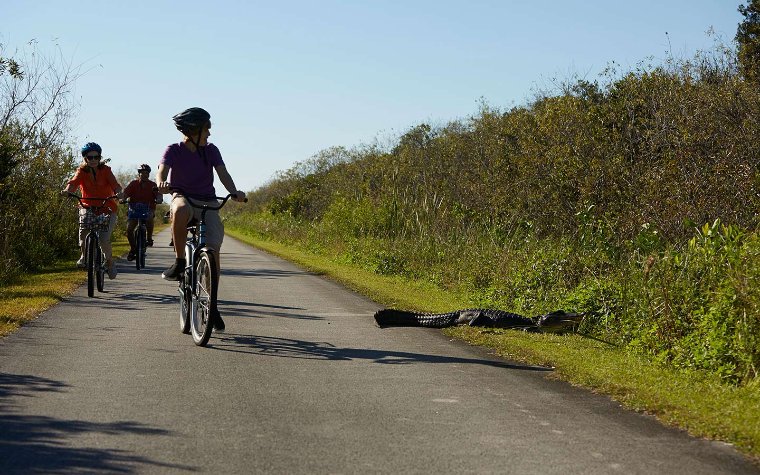
Shark Valley Trails
These trails are located approximately an hour’s drive west of Downtown Miami, in Shark Valley at Everglades National Park. The trails all begin near the Shark Valley Visitor Center on Tram Road.
The Bobcat Boardwalk
The Bobcat Boardwalk is an easy, self-guided trail that features sawgrass slough and tropical hardwood forests. It is open year-round and is quite popular, so you might see plenty of other visitors.
Trail Length: 0.5 miles round trip
Wheelchair Accessible: Yes
Bicycles Allowed: No
The Otter Cave Hammock Trail
The Otter Cave Hammock Trail is a limestone trail that leads through a hardwood forest. Several footbridges cross a small stream. It is named for the small sinkholes said to be used by otters. The trail sometimes floods in the summer.
Trail Length: 0.25 miles round trip
Wheelchair Accessible: No
Bicycles Allowed: No
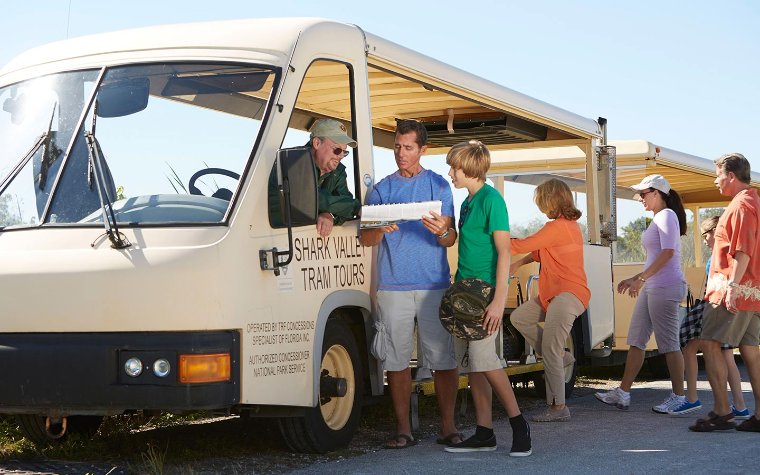
Tram Road
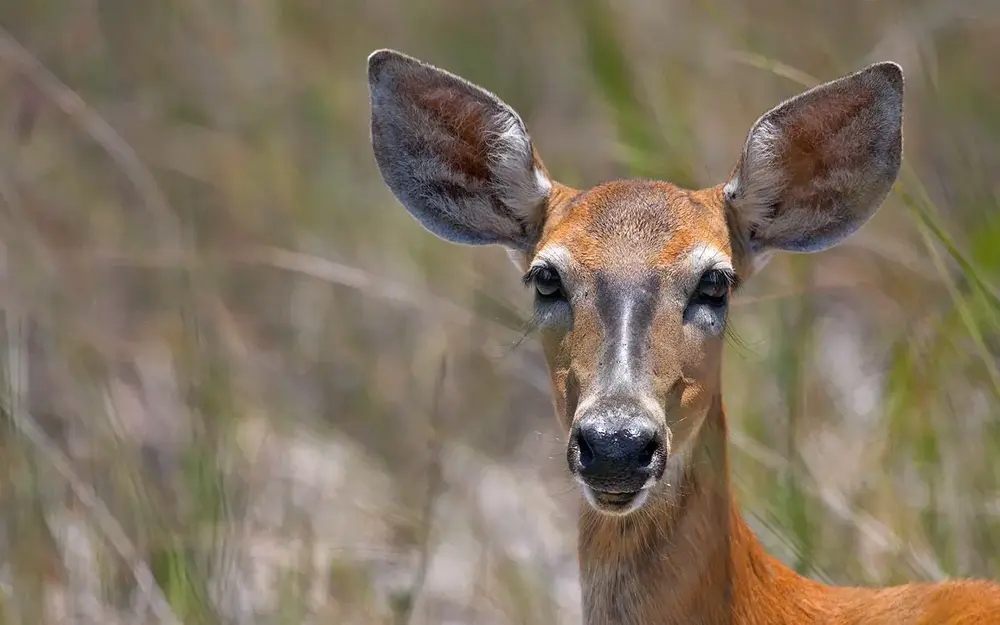
Tram Road can be traversed by tram (it’s the site of a popular, two-hour tour) as well as on bike or by foot. Alligators, herons, egrets and deer are all denizens of this trail.
Trail Length: 15 miles round trip
Wheelchair Accessible: Yes
Bicycles Allowed: yes
When to Visit and How to Prepare
The best time to visit is during the dry season, from November to May. Everglades National Park tours as well as tickets and maps are available online, on the mobile app, or in person at the Everglades Homestead Entrance Station or the Shark Valley Visitor Center. Cash is not accepted – only digital passes or credit/debit cards can be used for entrance fees.
Always check the park’s website for alerts and closures before starting your journey. Visitors should prepare for heat and mosquitoes and wear clothing that protects from the sun, such as hats, sunglasses, sunscreen and long-sleeved shirts. Sturdy boots and a jacket (it can get cool in the evening) are also recommended. Stay 15 to 20 feet from wildlife, and do not harass or feed the animals. Pets are not allowed on the park’s hiking trails.
Explore more outdoor fun in Miami.
Partners Mentioned In This Article
Accessible Activities in Big Cypress National Preserve

Wildlife in Big Cypress National Preserve

Best Places To Eat Near Everglades National Park

What to See and Do in the Florida Everglades
Guided Swamp Walk Tours

The Best Everglades Water Sports and Boating
Wildlife in Everglades National Park