









Accessible Activities in Big Cypress National Preserve
- November 06, 2026
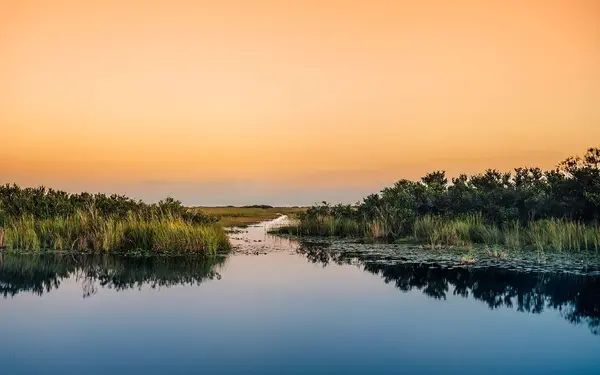
Mangrove-lined shores, towering cypress trees, native and endangered wildlife and miles of waterways make up Big Cypress National Preserve, part of the National Park Service. About 90 miles from Miami, the preserve offers wonders of nature, including the endangered Florida panther, manatees, birds and other wildlife and an array of swamps over 729,000 acres. The park is also known for awe-inspiring stargazing. That and many other activities at the preserve feature accommodations for those using wheelchairs or have other mobility challenges, including accessible restrooms, visitor centers, boardwalks, camping and parking.
Accessible Visitor Centers
Two visitor centers provide accommodations for people with disabilities. Both offer a 22-minute film about the preserve, available with captions in English, Spanish and German. The centers also offer Braille brochures and exhibits with illustrations.
If you are traveling from Miami, you will reach the Oasis Visitor Center first. The accessible parking spaces can take you by ramp to the building. A boardwalk is wheelchair accessible. Riding along this path gives a glimpse of the preserve’s turtles, fish, alligators and birds.
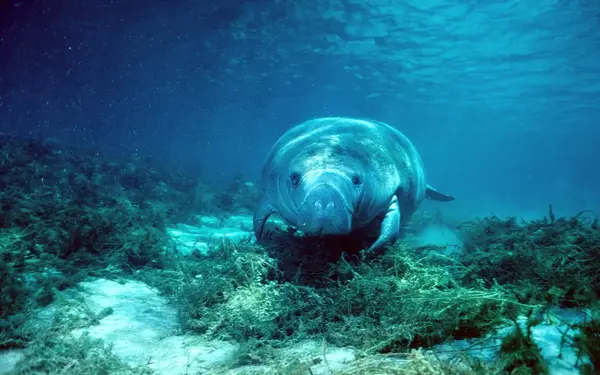
Drive from the Oasis Visitor Center to the Nathaniel P. Reed Visitor Center, which is on the western side of the preserve. For those with visual impairments, the Reed Center has additional audio recordings about the preserve. A boardwalk next to the building is wheelchair friendly. You might even see a manatee here.
Explore Boardwalks
All the accessible boardwalks throughout Big Cypress are raised, allowing for people in wheelchairs to fully enjoy the views.
Kirby Storter Roadside Park is about halfway through the preserve. The boardwalk is one mile long round trip, winding through the sawgrass prairie habitat and continuing to the cypress swamp. It ends at an alligator hole, so you’ll have a good chance of seeing one, along with other reptiles and wildlife.
H.P. Williams Roadside Park offers a short (less than 700 feet) boardwalk with a lot to see. Look for the signs for the specific accessible entry point. In addition to the reptiles at other points in the preserve, this one offers the opportunity to see egrets, hawks and herons.
Keep in mind that it is illegal – and dangerous – to feed or harass wildlife in a National Park Service location.

Take a Scenic Drive
One of the advantages of visiting Big Cypress National Preserve is the ability to see a lot of the landscape from your vehicle without worrying about outdoor accessibility. Three scenic drives offer views of deer, wild turkeys, bobcats and more.
- Tamiami Trail: This drive along U.S. Highway 41 runs for 284 miles from Tampa to Miami and goes through Naples. This scenic route goes through the Big Cypress National Preserve and Everglades National Park.
- Loop Road drive: Just south of the Tamiami Trail is the 24-mile Loop Road drive. This route passes through a cypress swamp habitat, which is a flooded forest during summer and dry in the winter. It offers a glimpse of a real swamp without leaving the car.
- Turner River Road: This route offers a wonderful way to see wildlife from the road. The system of canals is home to a variety of wildlife from November to April. Along the 17-mile drive, you can see a variety of birds, turtles and alligators.
Go Camping
The preserve’s Midway Campground is wheelchair accessible. This area also offers full RV hookups. The Big Cypress National Preserve Institute offers nature and birding tours through here for those with mobility challenges. Call ahead to make arrangements.
Apply for a Free Pass
The National Park Service offers a free lifetime Access Pass to U.S. citizens or permanent residents of the United States who have been medically determined to be permanently disabled. The pass provides entry into all National Park Service locations.
Partners Mentioned In This Article

Discover Accessibility with Chelsea Bear

Accessible Activities in Everglades National Park

Accessible Miami Attractions

Accessible Restaurants & Culinary Experiences in Miami
Plan Your Trip to Everglades National Park
Wildlife in Biscayne National Park

Accessible Boating in Miami
