







Miami’s Marine Conservation & Rescue Efforts
- November 02, 2023
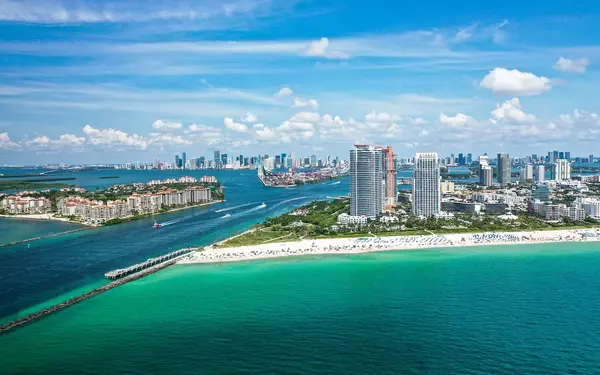
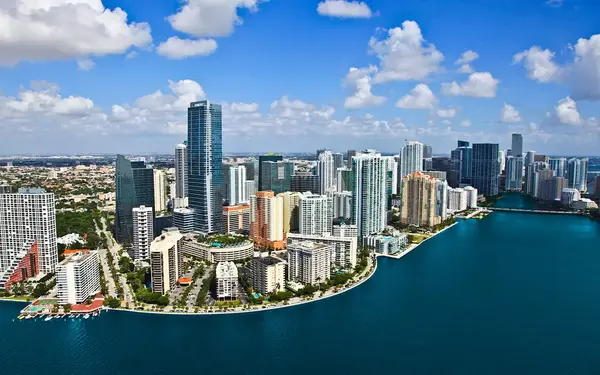
Greater Miami & Miami Beach is home to one of the world’s most unique and delicate ecosystems, from Biscayne Bay’s mangrove islands to the Atlantic Ocean’s coral reefs and Gulf Stream current. This marine habitat provides the nesting and breeding grounds for countless marine species, including wading birds, dolphins, manatees and subtropical fish. Miami is also at the forefront of resiliency and sustainability efforts in sea level rise and climate change. We want to protect this paradise for generations to come. Here are some of the conservation, rescue and sustainability efforts going on in Miami.
Phillip and Patricia Frost Museum of Science
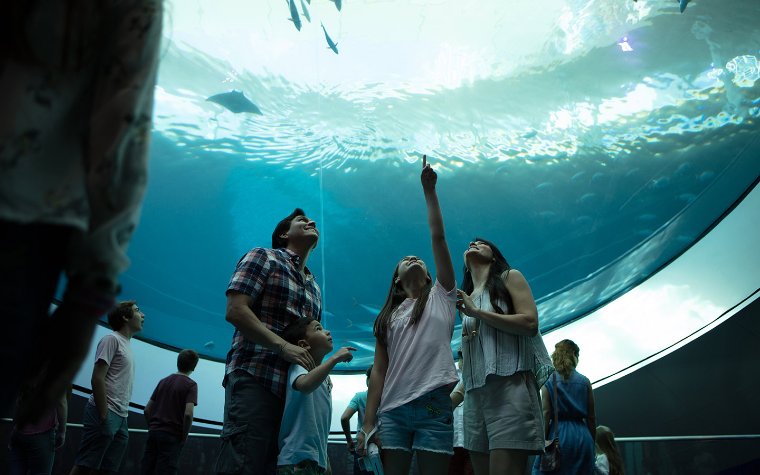
The Phillip and Patricia Frost Museum of Science's opening in Downtown Miami in 2017 was a game changer for Miami’s conservation science and education community. The 250,000-square-foot science museum boasts both a state-of-the-art planetarium and a 500,000-gallon, three-level, open-tank aquarium. With a commitment to preserving Miami’s ecosystem, it has also instituted a number of conservation initiatives, including the Museum Volunteers for the Environment (MUVE) program.
Since the launch of MUVE, more than 11,000 volunteers have restored more than 25 acres of mangroves, freshwater wetlands, dune habitats and coastal forests, which are critical for marine birds, fish and mammals. The museum studies and protects threatened marine organisms. Exotic and invasive species also pose a threat to Miami’s marine ecosystem, and Frost Science intervenes by removing these species to protect the native habitat. The invasive and exotic species are then exhibited at the museum.
Pelican Harbor Seabird Station
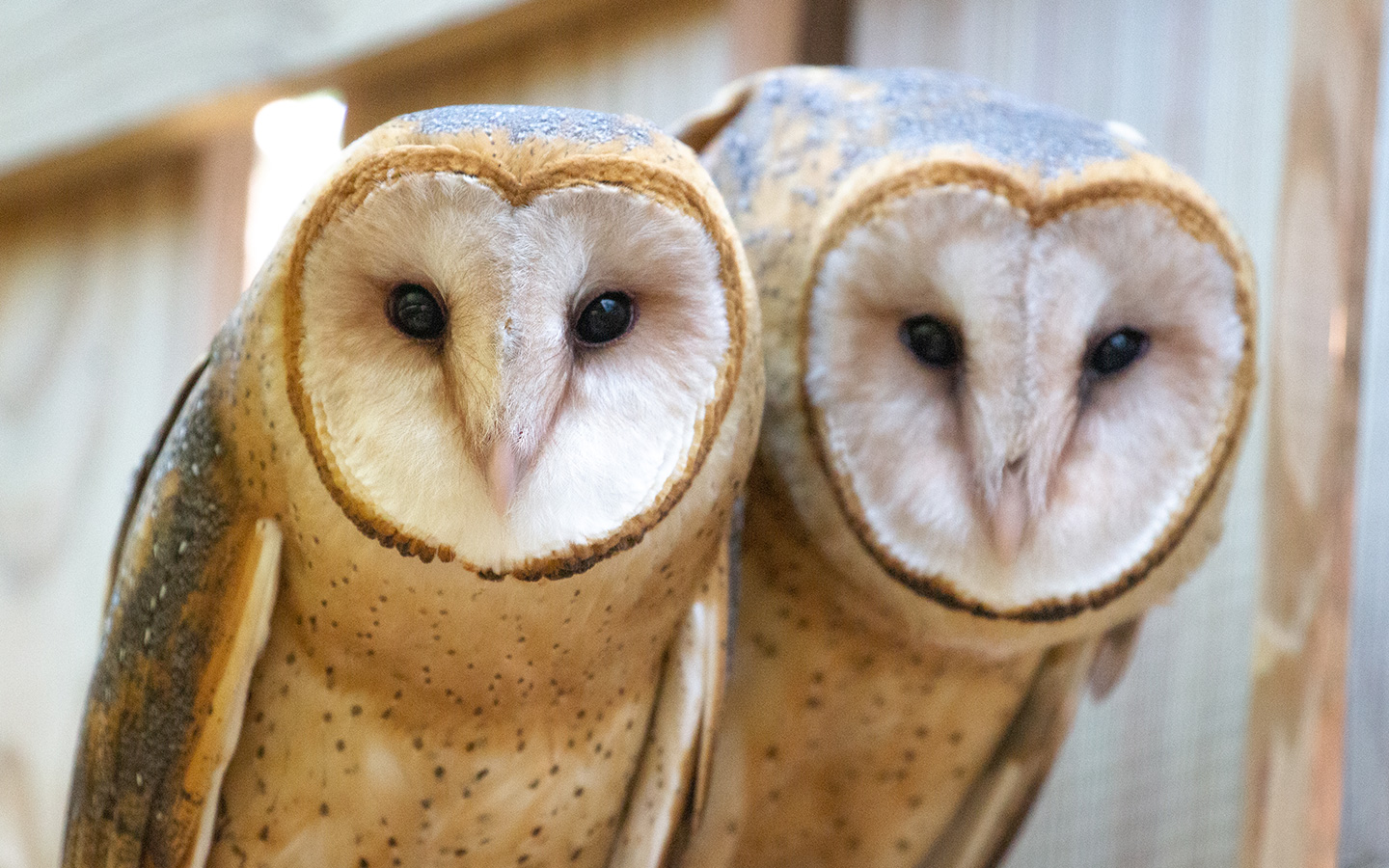
Founded in 1980, the Pelican Harbor Seabird Station is dedicated to caring for and rehabilitating injured brown pelicans as well as all native seabirds, mammals and reptiles. It’s located in North Bay Village on the 79th Street Causeway, which connects Miami Beach to the mainland. People can drop off injured wildlife at the station 24 hours a day, 365 days a year. It has treated more than 42,000 patients. The staff rescues, rehabilitates and releases these animals back into the wild. A team of volunteers helps clean and feed the animals.
To help educate the public about seabirds and Miami’s marine ecosystem, Pelican Harbor Seabird Station hosts monthly seabird cruises on Biscayne Bay at sunset or under the full moon. The cruises last two hours and scan Biscayne Bay's mangrove rookeries, which serves as the habitat for more than 30 species of birds, including brown pelicans, egrets, cormorants and frigate birds.
University of Miami
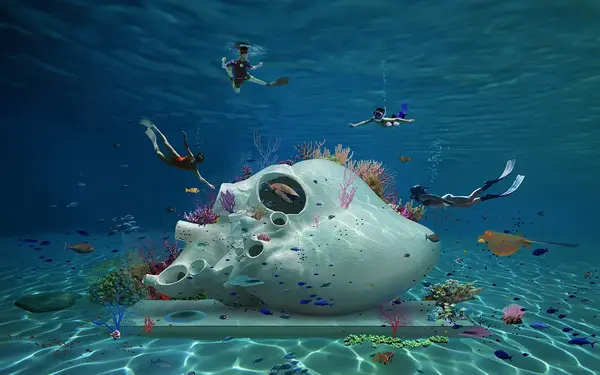
The University of Miami (UM) Rosenstiel School's coral conservation program unites researchers, students and community members in coral research and restoration. The Rescue a Reef program was developed in 2015 to raise public awareness and take action on coral conservation through educational and experiential activities. This includes hosting citizen science field expeditions led by UM coral researchers that provide unique, hands-on opportunities for recreational SCUBA divers and snorkelers. Through these citizen science expeditions, participants learn about the critical role coral reefs play in our environment and economy, threats they face and tools available for their conservation and recovery, all while conducting real-world coral research.