










Miami’s Environment & Sustainability
- April 10, 2026
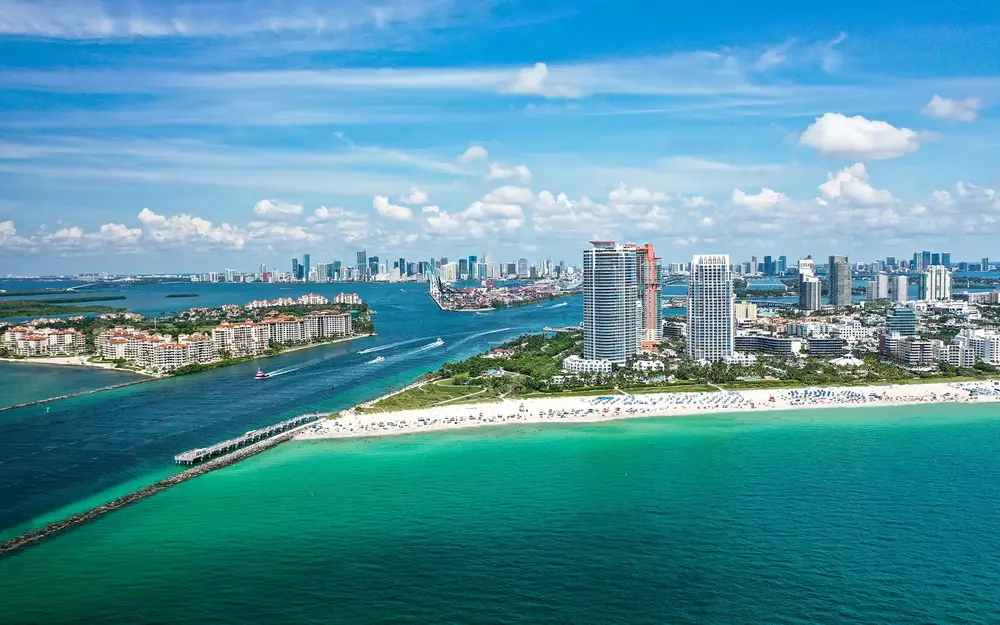
The natural landscapes of Greater Miami and Miami Beach, from the Atlantic coastline and Biscayne Bay to the Everglades, aren’t just iconic – they’re vital. As climate change and urban growth place increasing pressure on these ecosystems, sustainability is essential to protecting Miami’s natural resources for future generations.
Across the region, sustainability takes the form of conservation initiatives, long-term planning, community-driven efforts and individual choices aimed at reducing environmental impact and restoring critical habitats.
Whether it’s by navigating the destination via green transportation, supporting locally sourced dining or participating in conservation programs, these eco-conscious efforts can be practiced by visitors and locals alike – making sustainability in Miami more fun and approachable than ever.
Sustainable Travel in Miami
Getting around Miami is increasingly eco-friendly, too, with public transportation connecting neighborhoods through Metrobus, Metrorail and the free Metromover routes. Expanded public transit, electrification of the Metrobus fleet and other green mobility options help reduce the carbon footprint.
The new, all-electric Metro Express Bus Rapid Transit (BRT) increases accessibility to and from South Dade, and the high-speed Brightline offers energy-efficient trains with rail connections to major Florida cities including Orlando. Micro-mobility options, such as bike-share programs and scooter rentals, make it easier to explore at a slower pace.
Major travel hubs are also embracing sustainability. Miami International Airport has implemented initiatives to reduce energy use, including a floating solar installation and broader modernization plans. PortMiami is doing its part to improve environmental impact through programs like Shore Power that allow up to 3 cruise ships to plug into onshore electricity, reducing emissions by up to 98%.
Conservation Efforts
From restoring waterways and investing in climate-ready infrastructure, these efforts reflect a destination-wide commitment to sustainability and long-term resilience.
Protecting Biscayne Bay
Biscayne Bay, one of the most vital natural resources, supports seagrass meadows, mangroves and diverse marine life. Organizations such as Miami Waterkeeper and Surfrider Foundation work to monitor and publish water quality, advocate for protections and engage the community through education and restoration projects. County initiatives, like a seasonal fertilizer ban, promote responsible fertilizer use and help reduce harmful runoff that flows into the bay.
Climate Resilience and Sustainable Planning
As a coastal area, Miami is actively investing in strategies to address sea level rise, flooding and climate change. Regional initiatives like Resilient 305 bring Miami together to advance infrastructure solutions, emergency preparedness and long-term sustainability.
The Miami Forever Carbon Neutral plan outlines the goals to reduce greenhouse gas emissions by 60% by 2035 and achieve net-zero by 2050. Investments in stormwater systems, flood mitigation and Resilience Hubs improve community resilience and preparedness, while expanded solar energy use across county facilities increases efficiency.
The Sea Level Rise Strategy includes raising roads, installing pumps and nature-based solutions, like beach renourishment, dune restoration and living shorelines.
Reducing Waste and Plastic Reduction
Reducing single-use plastics and waste is a key focus. Plastic Free 305 works to reduce plastic across Miami-Dade businesses. Government policies such as a ban on Styrofoam products in Miami Beach, a ban on single-use plastics and styrofoam for vendors on county-owned facilities, as well as a state-wide law prohibiting intentional balloon releases, help to prevent harmful pollution in waterways.
Local nonprofit Debris Free Oceans promotes a zero-waste, circular economy through education and partnerships with local businesses. Many groups regularly lead coastal cleanups, bringing residents and visitors together to remove trash from shorelines.
Restoring Marine Ecosystems
Coral restoration programs, including Rescue A Reef, support the rehabilitation of reefs impacted by climate change and human activity. The REEFLINE, an open-to-the-public underwater sculpture park and hybrid reef off Miami Beach, provides a platform for marine life to thrive while aiming to outplant thousands of native corals.
Green Infrastructure and Urban Greening
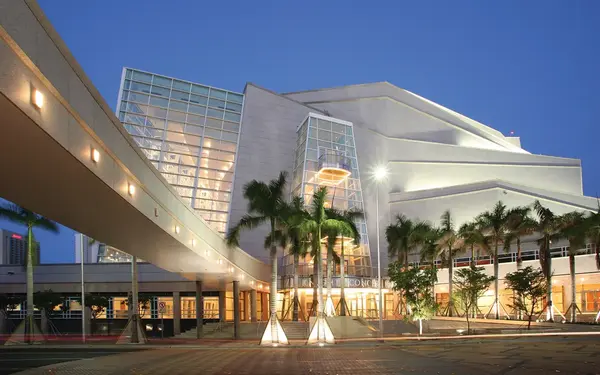
Green infrastructure is playing an increasingly important role in how Miami plans for sustainability and quality of life. The Miami Beach Convention Center has expanded green spaces, increased tree canopy and integrated eco-friendly features as part of its commitment to sustainability. Investments in parks, urban trails and green corridors improve accessibility, help combat extreme heat and enhance resilience. Miami’s climate strategy aims to achieve 30% tree canopy coverage by 2030, improving air quality, biodiversity and community well-being.
The destination manages one of the largest park systems in the country, with hundreds of natural areas that support environmental preservation and community well-being. See the sights at The Underline, a 10-mile linear park beneath the Metrorail with shaded paths for walking and biking alongside public art and native landscaping designed to support biodiversity.
Environmental Holidays and Awareness
Miami celebrates environmental awareness year-round through events that range from cleanups to educational workshops. Global observances such as Earth Day (April 22), World Ocean Day (June 8) and World Environment Day (June 5) often inspire local programming across museums, nonprofits and community groups.
A 10-day World Ocean Day Celebration, organized by ARTSail and Blue Scholars Initiative, unites dozens of partners for hands-on activities, art installations, panel discussions and conservation experiences, underscoring Miami’s role as a hub for ocean awareness.
Institutions like the Philip and Patricia Frost Museum of Science in Downtown Miami also host year-round programming focused on ocean science, climate change and conservation.

Sustainable and Locally Sourced Dining
Miami’s dining scene features and impressive number of chefs and restaurants prioritizing locally sourced ingredients, seasonal menus and responsibly harvested seafood, while also working toward zero waste. By supporting local farms, fisheries and small producers, these efforts help reduce transportation emissions while strengthening regional food systems.
Organizations like Slow Food Miami promote responsible sourcing through initiatives like the Snail of Approval, which recognizes food and beverage establishments committing to quality, authenticity and a sustainable ethos. Farmers markets, including those supported by Urban Oasis Project, make it easy for residents and visitors to connect directly with local growers and producers.
Restaurants embracing farm-to-table principles are on the rise, including MICHELIN-star Stubborn Seed in Miami Beach, known for its elevated approach, and Naked Farmer in Coral Gables and Downtown Miami that focuses on seasonal ingredients from local farms.
Sustainable seafood initiatives encourage more responsible sourcing. Shore to Door Fish Market in Coconut Grove emphasizes traceable, seasonal catch. Bluehouse Salmon in Homestead offers aquaculture alternatives that reduce pressure on wild fish populations.
Eco-friendly Accommodations
Many hotels are embracing eco-friendly practices through energy efficiency, water conservation and the elimination of single-use plastics. Many properties hold Florida Green Lodging designations, while several others are LEED-certified.
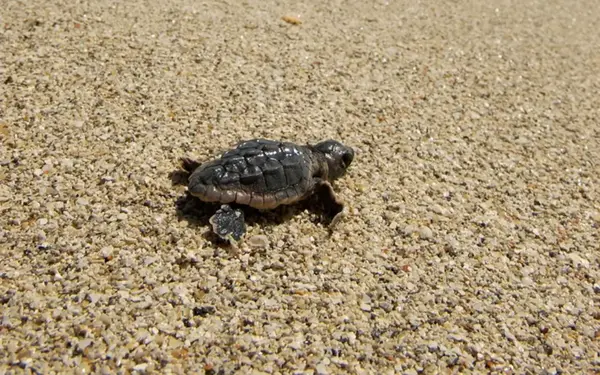
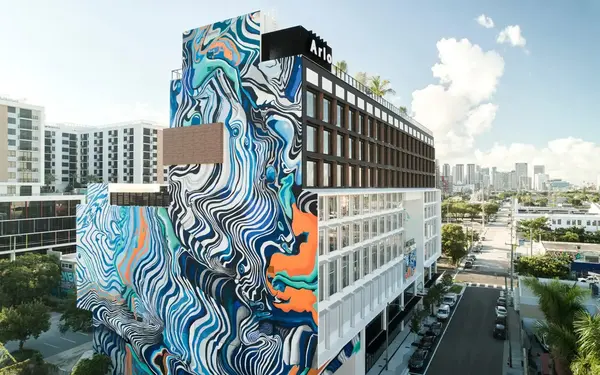
Through partnerships with local nonprofits, the Arlo Wynwood contributes a portion of every stay to the Pelican Harbor Seabird Station, supporting wildlife rescue and environmental education. The Flip the Switch campaign in Miami Beach is collaborating with oceanfront properties to reduce artificial lighting that can disorient nesting sea turtles.
Sustainable Fashion in Miami
While Miami is known for its bold, trend-driven style, a growing number of designers and boutiques are exploring sustainable approaches. Brands like Piper & Skye are rethinking materials by creating luxury handbags from responsibly-sourced resources, including invasive species like python.
For a more accessible option, vintage and thrift shops like Dragonfly Thrift Boutique offer a curated selection of secondhand clothing and accessories that extend the life cycle of garments. Mana Fashion Services, launched in Downtown Miami, provides a platform for designers and events that highlight ethical fashion and sustainable practices.
Eco-tours and Education
Sustainable travel in Miami often begins outdoors, where the region’s ecosystems take center stage. Much of the coastline and marine life are protected within Biscayne National Park, where visitors can kayak through clear water, snorkel coral reefs and learn about the area’s fragile marine ecosystems. Just west, Everglades National Park offers another opportunity to take in Miami’s great outdoors with guided eco-tours, paddling and educational programs focused on wetland conservation.

Keeping It Fresh and Local
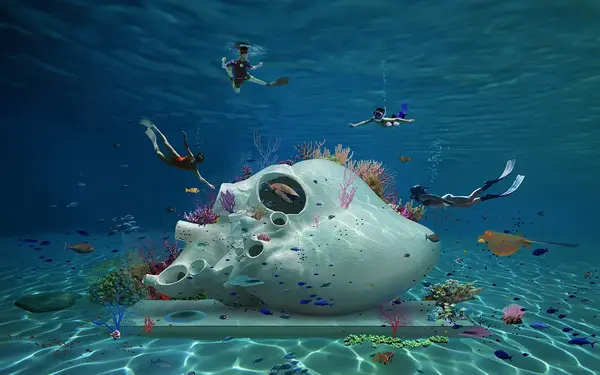
The ReefLine: Miami’s Underwater Art Park
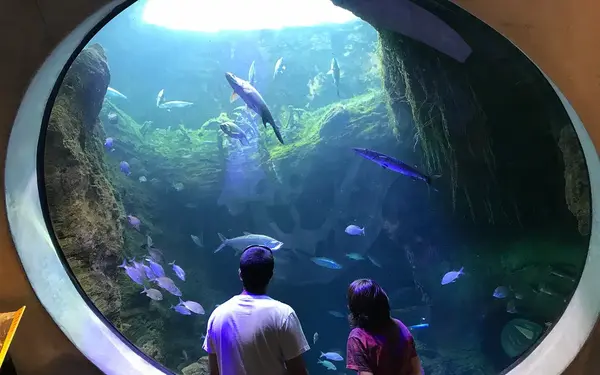
Miami’s Marine Conservation & Rescue Efforts
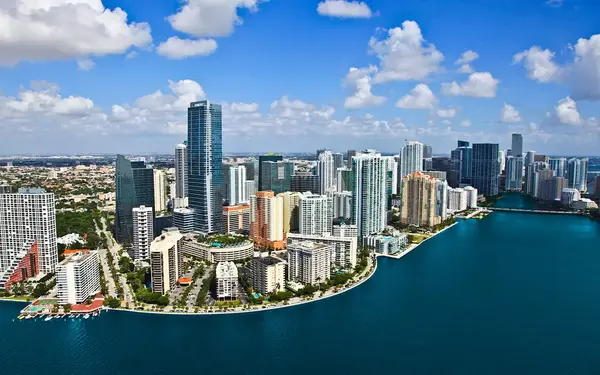
How To Protect Biscayne Bay

Sustainable and Green Miami Spice Restaurants
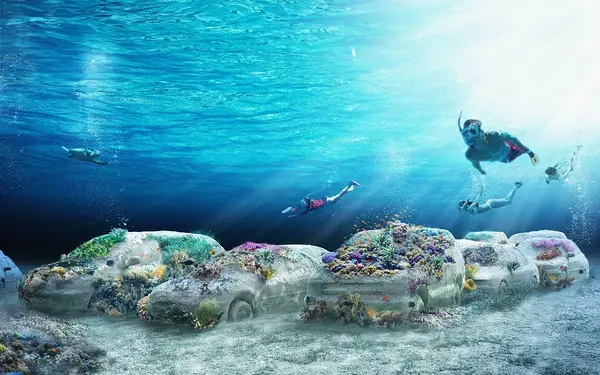
Advocates For Marine Conservation

Where to Find Farm-Fresh Produce Boxes in Miami