













Advocates For Marine Conservation
- April 10, 2026
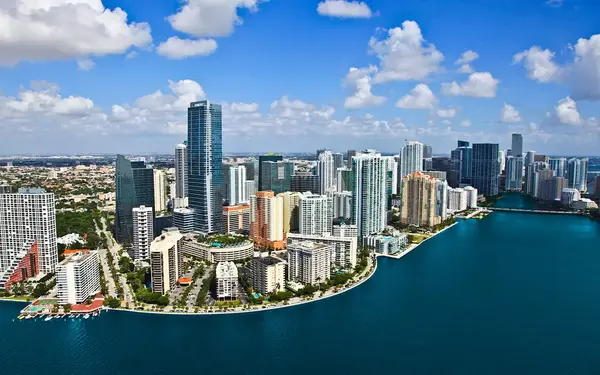
In Greater Miami and Miami Beach, water defines the landscape. From mangrove shorelines and coral reefs to the wetlands of the Everglades and open Atlantic Ocean, these interconnected ecosystems support a remarkable diversity of life. They also prop up the destination's thriving outdoor recreation economy: Boating, kayaking and spending time at the beach are part of everyday life in Miami.
Biscayne Bay sits at the heart of this system. Its seagrass meadows, mangrove forests and coral reefs provide essential habitat for marine life, support fisheries and help protect Miami’s shoreline. Freshwater flowing through the Everglades ultimately reaches the bay, influencing its salinity, nutrients and overall health.
Local organizations work to monitor water quality, maintain and restore habitats and protect wildlife. For residents and visitors, these efforts offer unique and exciting opportunities to learn about the region’s natural resources and contribute meaningfully to their survival.
Miami Waterkeeper
Mission: Miami Waterkeeper works to defend clean water across Miami-Dade’s rivers, coastal waters, the Everglades and Biscayne Bay through scientific research, community engagement and legal advocacy. As part of the global Waterkeeper Alliance, they address water pollution, climate resilience and ecosystem protection so we can have swimmable, drinkable, fishable water that defines Miami’s environment and quality of life.
How to get involved: Miami Waterkeeper regularly hosts restoration projects, cleanups and educational events. Community programs, such as 1000 Eyes on the Water, train residents to identify and report pollution in local waterways, while its year-long ambassador program offers deeper involvement in hands-on experiences and environmental advocacy.
REEFLINE
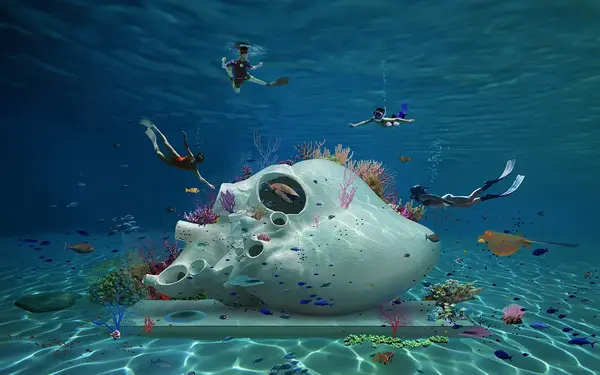
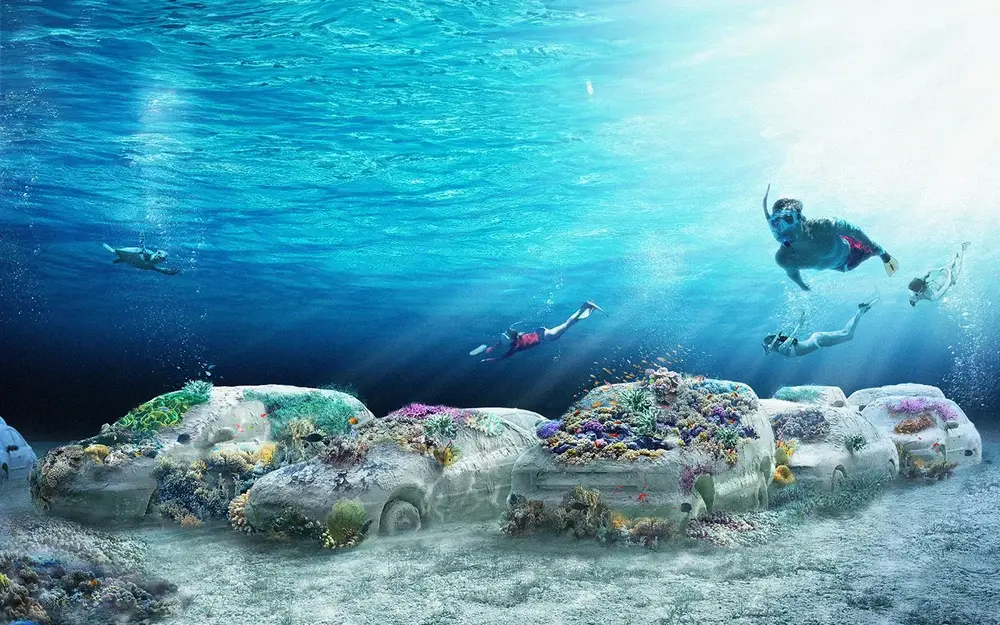
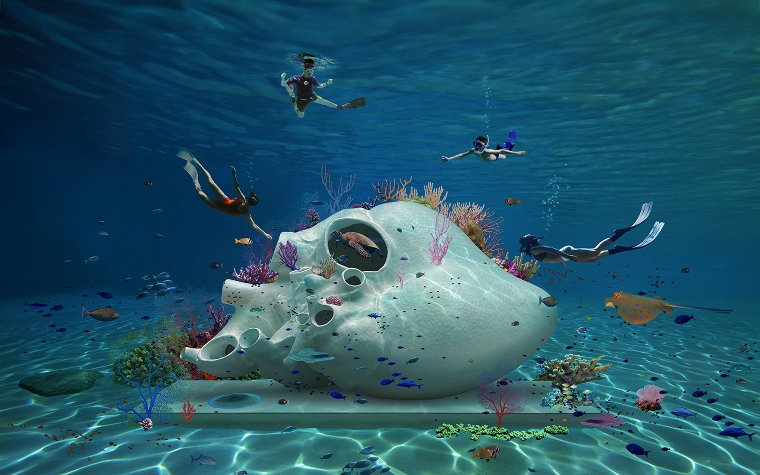
Mission: A designated 7-mile underwater sculpture park and hybrid reef located off Miami Beach, REEFLINE is committed to enhancing coastal ecosystems and environmental awareness through art, science and actionable conservation. With future phases planned over 10 years, large-scale sculptures installed along the seabed are designed to attract marine life and encourage coral growth while creating a unique underwater experience for divers and snorkelers.
The first installation, Concrete Coral by artist Leandro Erlich, debuted in October 2025. The sculpture features a “traffic jam” of submerged marine-grade concrete cars. Founded by cultural producer Ximena Caminos, the project is supported through grants and partnerships with the City of Miami Beach, environmental organizations and voters.
How to get involved: The reef installations are accessible by swimming, snorkeling, diving, paddling, kayaking or boat. The entrance for Concrete Coral is between 4th and 5th Streets in South Beach. The site sits roughly 800 feet offshore in about 20 feet of water. It is just outside the swim buoys, so be sure to check safety guidelines and conditions, and have a dive flag, which is required by law.
REEFLINE also collaborates with dive operator Diver’s Paradise for guided excursions and private charters. They are working with the Florida Fish and Wildlife Conservation Commission to allow coral restoration initiatives that will eventually bring volunteers to help transplant locally grown coral.
Biscayne National Park Institute
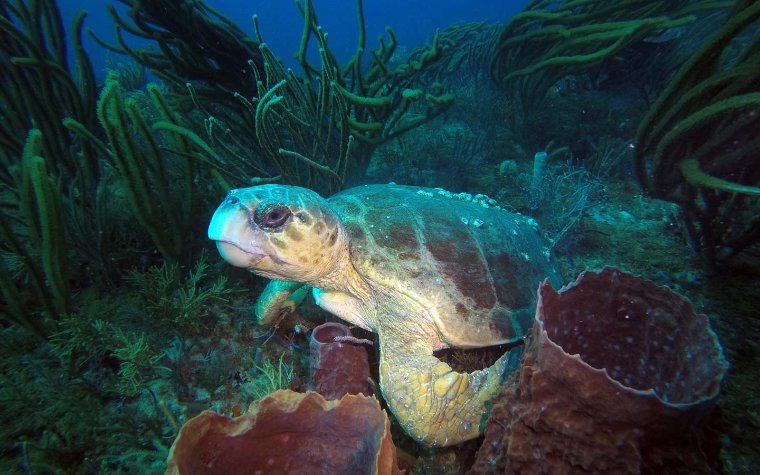
Mission: Extending from Miami, Biscayne National Park protects a vast marine landscape made up of coral reefs, seagrass beds, mangrove forests and small islands.
The nonprofit Biscayne National Park Institute connects visitors to these ecosystems through guided eco-adventures and educational programs led by trained naturalists.
The Institute’s experiences highlight the natural and cultural history of the park while supporting conservation and research initiatives within the park. They are an official non-profit partner of the Florida National Parks Association, which also supports programs in Everglades National Park and Big Cypress National Preserve.
How to get involved: The Institute offers various guided trips through the park’s wildlife, rich history and marine ecosystems. Their eco-tours include snorkeling, paddling or kayaking through mangroves, sailing trips to uninhabited islands and visits to historic shipwrecks.
These guided boat tours of Biscayne National Park provide access to areas that are otherwise difficult to reach. Proceeds from each tour directly support the Biscayne National Park.
Debris Free Oceans
Mission: Plastic pollution and marine debris can pose challenges to coastal ecosystems. Debris Free Oceans works to reduce waste in waterways through education, community cleanups and partnerships with local businesses and government. The organization focuses on long-term solutions, including zero-waste programs and policy advocacy aimed at reducing single-use plastics.
How to get involved: Debris Free Oceans organizes community cleanup events, educational workshops and zero-waste consulting across Miami. Residents, students and visitors can participate in beach cleanups or volunteer at special environmental events.
Beach Cleanup Initiatives
Mission: Keeping Miami's beaches and waterways free of marine debris is an important part of protecting coastal ecosystems. Local organizations such as Clean This Beach Up, Clean Miami Beach and VolunteerCleanup.org mobilize volunteers to remove trash from shorelines and raise awareness about plastic pollution.
Regular cleanup events help prevent debris from entering and polluting local waters, where plastics and other waste can harm marine life.
How to get involved: Visitors are welcome to join scheduled events, making it easy to give back while spending time along Miami's coastline. Volunteers often receive gloves, bags and environmental education about the impact of marine debris like microplastics on wildlife and Biscayne Bay.

Pelican Harbor Seabird Station
Mission: For more than 4 decades, Pelican Harbor Seabird Station has been rescuing Miami’s native wildlife. The center specializes in wildlife rehabilitation, environmental education and conservation programs. Founded in 1980 to care for injured brown pelicans, the nonprofit has since treated more than 47,000 patients across nearly 300 species. They accept all native birds, small mammals and reptiles, which can be brought to the center 24 hours a day.
How to get involved: Visitors can tour the facility in North Bay Village, including a guided, behind-the-scenes look. (Though be sure to book ahead.) They also offer bird-release events and 2-hour sunset cruises through Biscayne Bay to visit the lively rookeries – binoculars included. Volunteer opportunities are available for locals, and donations support the organization’s ongoing rescue efforts.
Friends of the Everglades
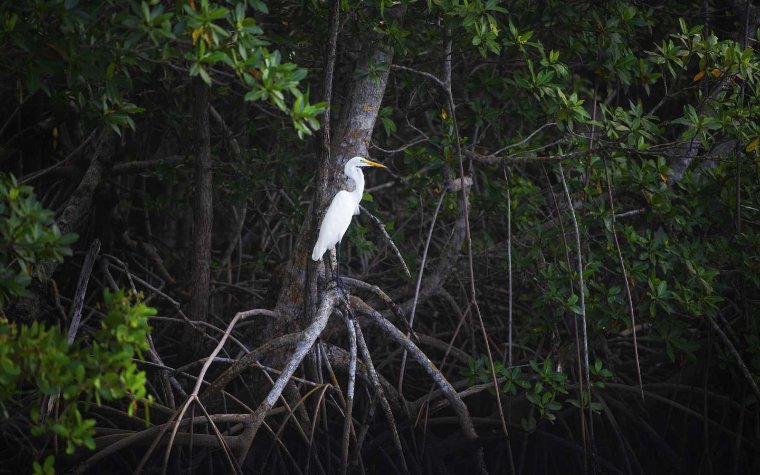
Mission: The health of Biscayne Bay is closely tied to the Everglades watershed. Friends of the Everglades works to protect and restore this globally unique ecosystem. Founded in 1969 by environmentalist and best-selling author Marjory Stoneman Douglas, the organization advocates for policies that safeguard wetlands, wildlife habitat like that of the endangered Florida panther and water flow through the Everglades. Part of their mission is to acquire more land for conservation and restoration.
How to get involved: Friends of the Everglades hosts a robust educational program for youth that can be requested for local schools and programs, in addition to numerous resources on their website. They welcome volunteers for outreach and provide educational events throughout the year.
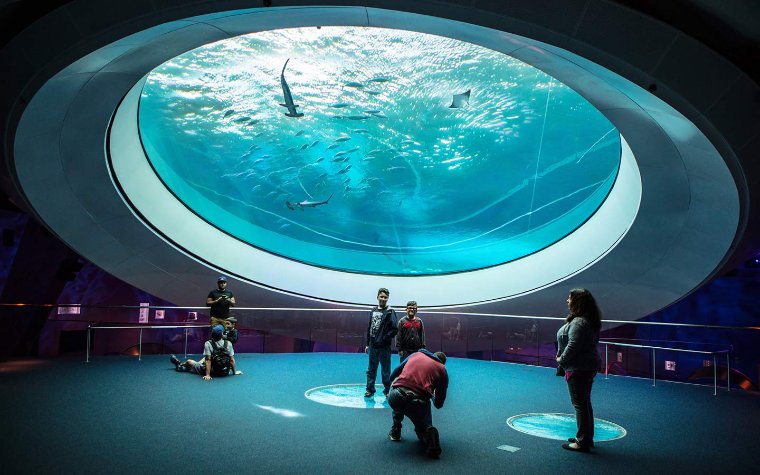
Frost Science and MUVE
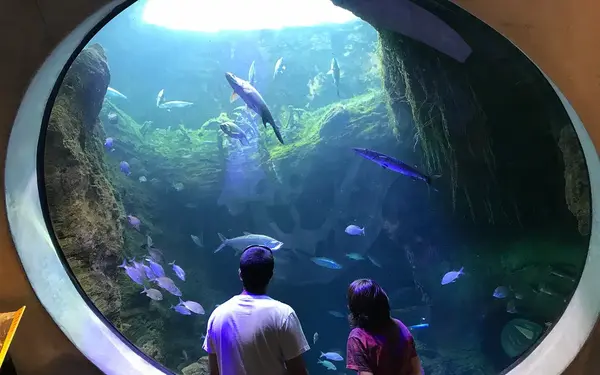
Mission: The Phillip and Patricia Frost Museum of Science uses science as a pathway to inspire and connect all ages and backgrounds, spark curiosity and inspire innovation. Located in Downtown Miami, this 250,000-square foot museum features a 3-story aquarium that highlights South Florida’s marine ecosystems, from sharks to coral reefs.
Frost’s interactive experiences, special exhibits and programs are designed to inspire the community to conserve and restore Florida’s ecosystems. For instance, the National Coral Reef Conservancy (ReeFLorida) at Frost Science actively studies species, removing invasive species and building nurseries while engaging in outreach and education.
How to get involved: Visitors can explore the museum’s exhibits or participate in environmental programs. The Museum Volunteers for the Environment (MUVE) supports habitat restoration projects through volunteer-led initiatives.
Explore Responsibly
Locals and visitors alike can enjoy Miami’s waters while helping keep these ecosystems thriving by respecting wildlife, reducing waste and supporting local conservation efforts during their stay. Here are some tips for exploring Miami’s waters responsibly.
Choose Eco-Friendly Experiences
Ecotourism, travel centered around protecting natural environments, has become an important part of Miami’s outdoor culture and economy. Guided eco-adventures such as kayaking tours, sailing trips and Biscayne Bay boat tours help visitors experience fragile ecosystems while learning about their importance.
When exploring the water:
- Use reef-safe sunscreen to avoid damaging coral reefs.
- Avoid single-use plastics whenever possible.
- Leave natural areas exactly as you found them.
Respect Wildlife
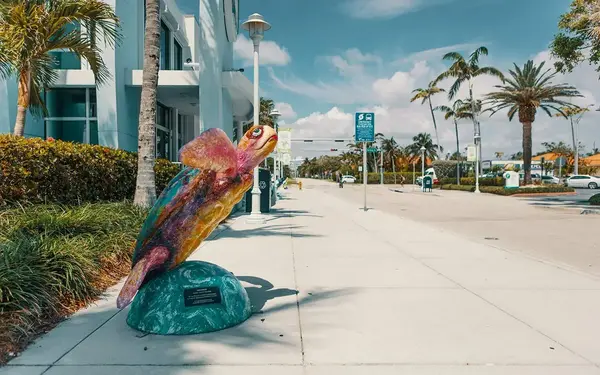
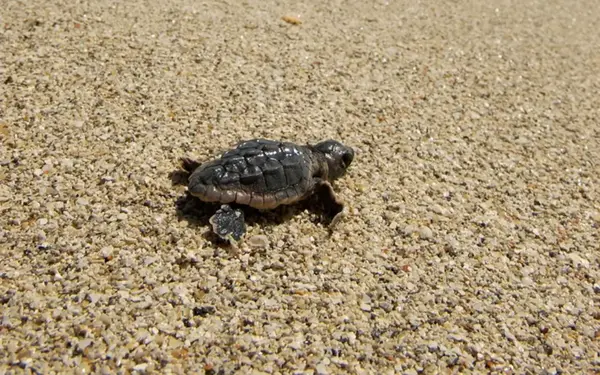
Local waters are home to dolphins, sea turtles, seabirds, manatees and other marine life. Observing wildlife from a respectful distance helps ensure animals remain safe in their natural habitat.
Avoid feeding wildlife, touching coral or disturbing nesting areas. If you encounter injured animals or environmental hazards, report them to local authorities or organizations such as Pelican Harbor Seabird Station or Miami Waterkeeper.
When operating away from the waterways, be sure not to put anything down the storm drains and to minimize surface water pollution, as these lead directly into the bay.
Practice Responsible Boating
Boating is a central part of Miami life, but it also demands awareness to sensitive habitats.
Follow guidelines from the Florida Fish and Wildlife Conservation Commission, including:
- Observe posted speed limits and manatee zones.
- Avoid shallow seagrass beds and reefs.
- Watch for divers, swimmers and wildlife.
- Secure personal items and trash to prevent marine debris.
By supporting local conservation organizations and exploring responsibly, visitors can help ensure that Biscayne Bay and Miami’s coastal ecosystems remain vibrant for generations to come.