Miami Then and Now Always Gay Friendly
- November 25, 2024
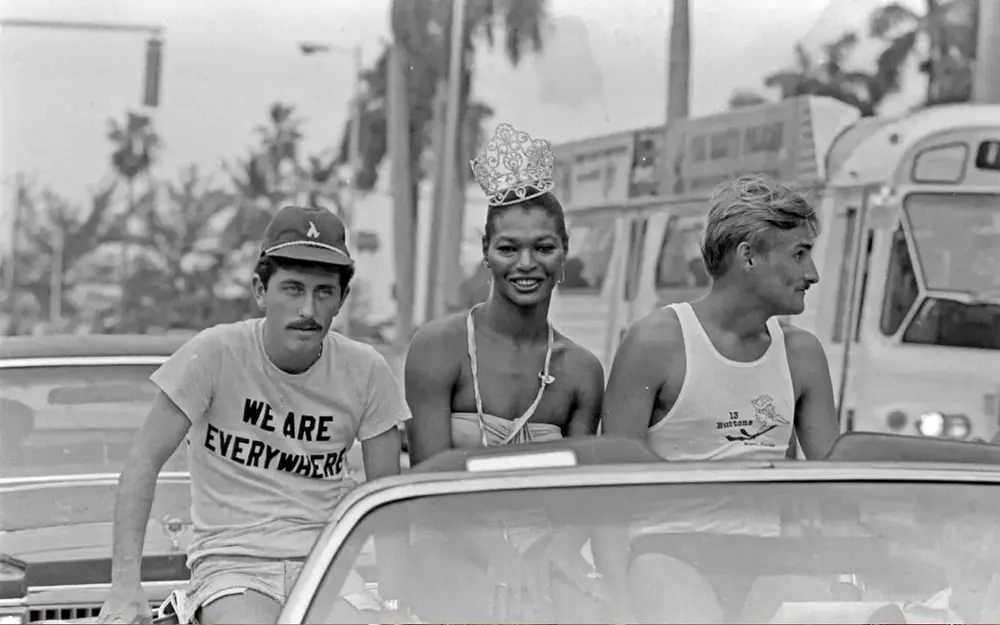
Greater Miami & Miami Beach is one of those magical places that the whole world wants to visit, especially the LGBTQ community. But Miami didn’t become the captivating queer destination it is overnight. With its clean, clear Atlantic Ocean beaches, year-round sunny weather and celebrated nightlife, Miami established itself as a playground for the LGBTQ community in the early 20th century. Throughout its distinct history, Miami has subtly promoted itself as a “fairyland,” where the confines of the real world, including boundaries around gender and sexual expression, could be loosened, creating the foundation for LGBTQ tourism.
The LGBTQ Community’s Roots in Miami
By the 1930s, Miami had a thriving and visible queer culture where people who today would likely identify as LGBTQ often found work, made intimate connections and built community. Not unlike in many other places, there was backlash and discrimination against LGBTQ people, but that resulted in more determination by the community to resist, persist and coalesce for rights, equality and respect. And because “gay” isn’t just in the community’s name but also intrinsic to its character, you can bet good times were mixed in as well.
Miami’s LGBTQ Culture Flourishes in the 1970s and 1980s
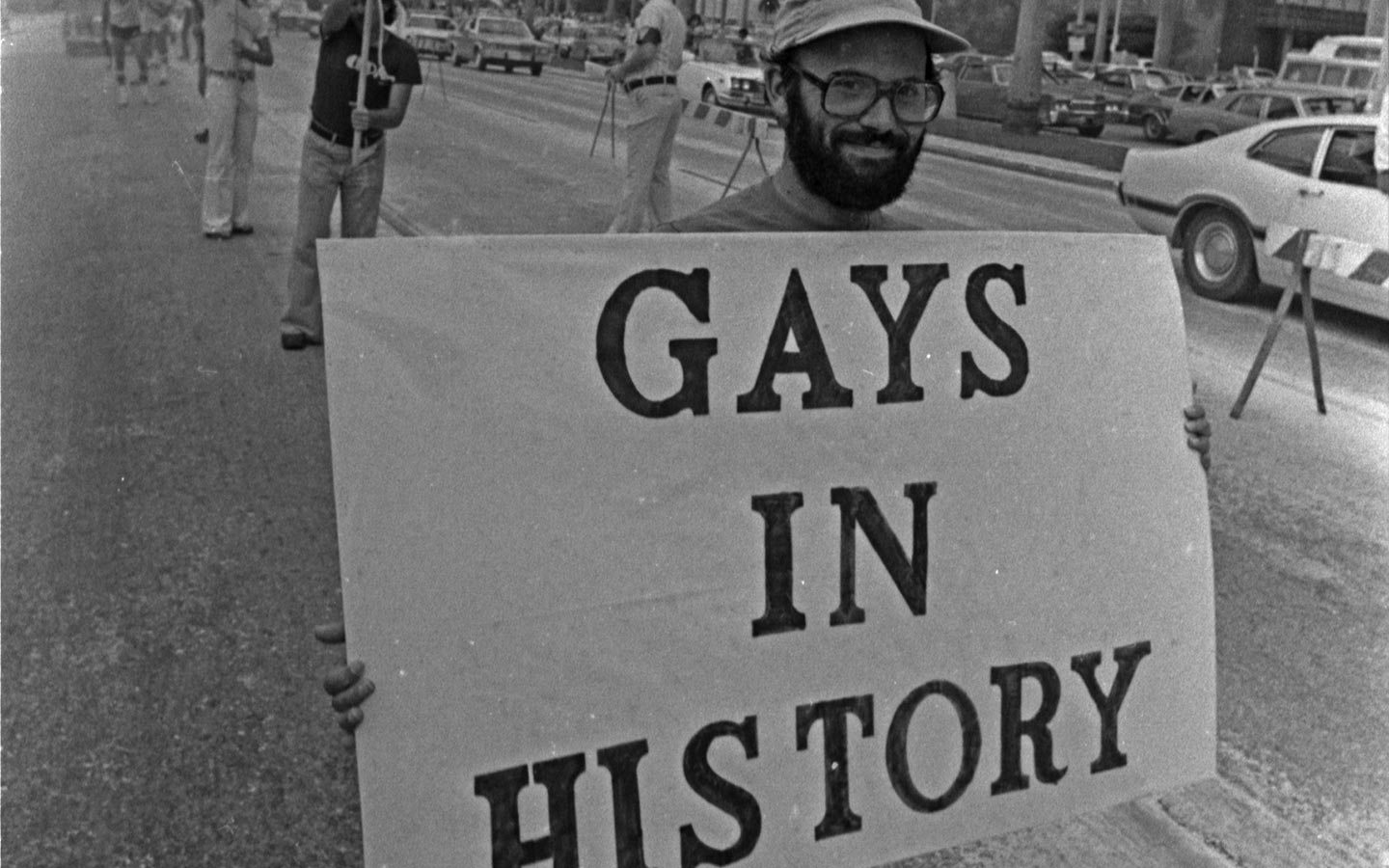
During the 1970s, when protests against the status quo happened across the United States, Miami’s LGBTQ community made great strides by not only bravely and proudly coming out of the closet but also confidently establishing a gay-friendly place to live and visit. New York City’s Stonewall Uprising took place in 1969, and its first gay Pride parade was held in 1970. LGBTQ-supportive organizations started to spring up, as did LGBTQ culture and meeting places. Christ Metropolitan Community church, an LGBT-affirming Protestant denomination, was founded in 1970 as a congregation for gay and lesbian Christians.
Both the Republican and Democratic National Conventions were held in Miami Beach in 1972, and Miami’s queer community put gay rights in the spotlight. At the Democratic National Convention, it was even proposed to be part of the party’s platform. Gay rights activists protested outside the Republican National Convention. Just a few months earlier, Miami Beach welcomed gay pride week, on Lincoln Road. Club Baths opened in 1974, offering men a gay bathhouse with spa amenities such as saunas, a pool and steam baths. In 1977, Miami joined almost 40 other progressive cities in the U.S. that passed nondiscrimination ordinances protecting gays and lesbians, and in 1978, another gay pride parade was held.
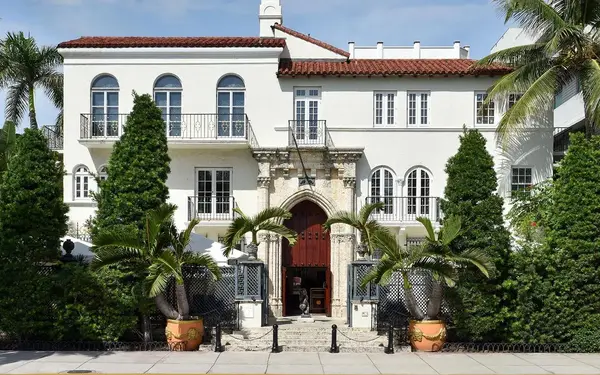
Throughout the late ‘70s and ’80s, gay bars and dance clubs flourished, with more than 20 clubs operating in locations across Miami-Dade County, including Coral Gables, Coconut Grove, Downtown Miami and Miami Beach. There were gay beaches at 21st Street in Miami Beach and Virginia Key on Key Biscayne. During the 1980s and ’90s, Miami Beach became an epicenter of glamour and celebrity, as then-closeted gay fashion icon Gianni Versace and many more LGBTQ people relocated here to live their best lives. In fact, the LGBTQ community is largely credited with reinvigorating what was then a rundown area for retirees and emigres and injecting it with energy, beauty, creativity, a lively Bohemian-yet-cosmopolitan spirit, and lots of investment dollars.
The Impact of LGBTQ Contributions on Miami's Vibrant Culture
Leonard Horowitz, an openly gay man, helped found the Miami Design Preservation League, which today still promotes the preservation of the iconic Miami Beach Art Deco architecture known all over the world. Other organizations also formed to provide support and fight for LGBTQ rights, among them Pridelines (formerly Pridelines Youth Services) under the leadership of Dr. Marilyn Volker, Peter Meyer and other concerned adults. In 1985, the legendary White Party kicked off at the uber-chic Vizcaya Museum & Gardens, earning the title of the season’s premier event across gay America and becoming a major fundraiser for HIV/AIDS-related charities. SAVE Dade (now SAVE LGBTQ) opened its doors to champion for gay rights in 1993, as did Equality Florida.
In 1997, recognizing the power of the “pink dollar,” George Neary, the Greater Miami Convention & Visitors Bureau’s assistant vice president of cultural tourism/LGBTQ marketing, led the first LGBTQ press trip. The Miami-Dade Gay and Lesbian Chamber of Commerce, the largest non-profit in the county for gay and lesbian businesses, formed in 1999 under the stewardship of its president then-and-now, Steve Adkins. This bolstered the community further, and LGBTQ hot spots abounded, including Salvation, Warsaw, Torpedo, 821, Laundry Bar, Kremlin, SCORE, Twist and the Palace South Beach.
Miami Becomes a Welcoming Destination for LGBTQ Tourists
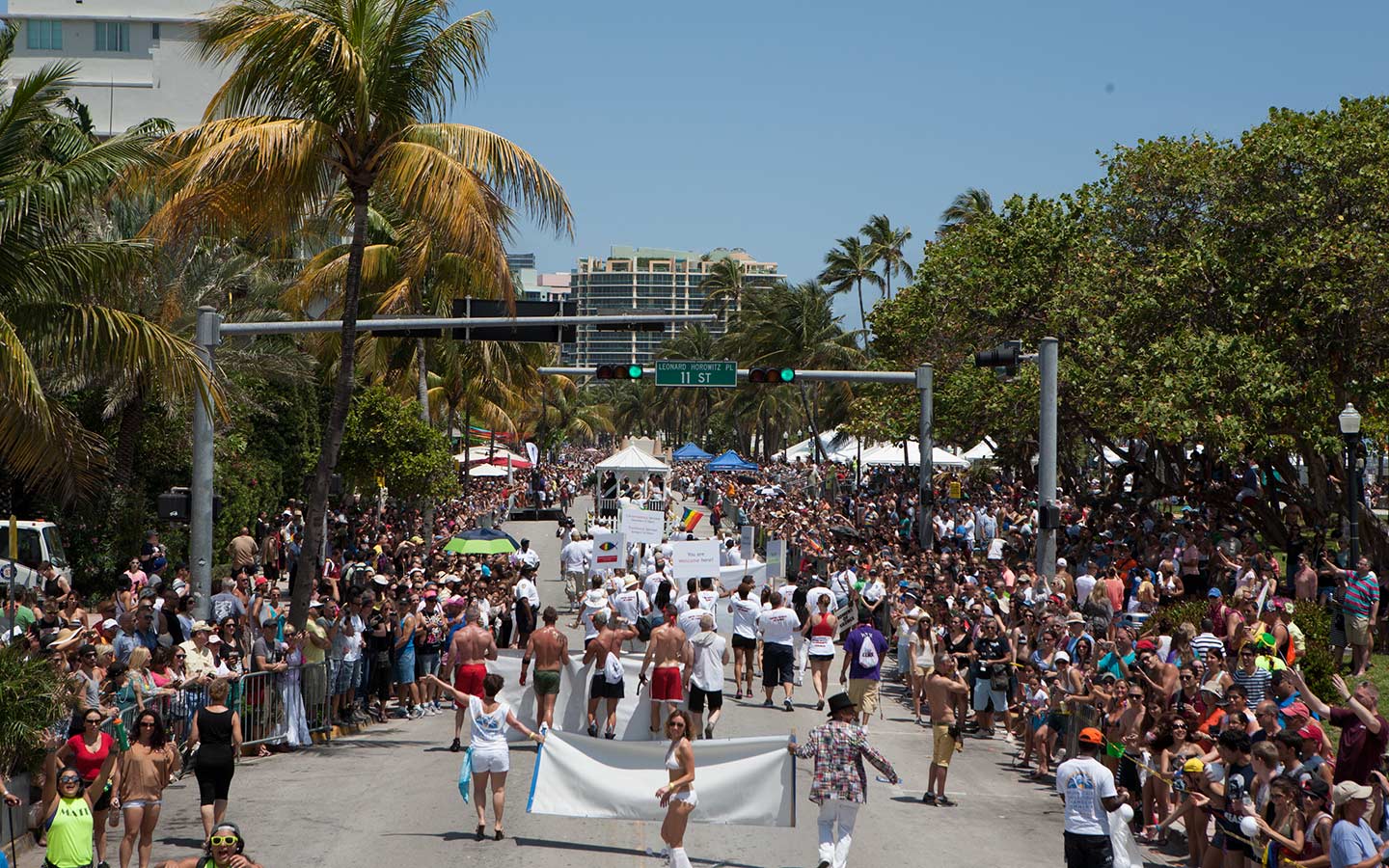
The LGBTQ community’s contributions to Miami Beach were not lost on local politicians, and progressive laws were passed to ensure that these valued citizens could continue to thrive. The laws solidified Miami Beach as a gay tourist mecca long before other destinations even recognized the gay travel market. In April 2009, after many decades without an organized Pride event, the city held its first Miami Beach Pride event, backed by outspokenly supportive City of Miami Beach Mayor Matti Bower. Fifteen years later, this multi-day event is attracting more than 100,000 attendees annually.
In 2010, the Miami-Dade Gay & Lesbian Chamber of Commerce, with support from the City of Miami Beach, opened an SoBe Visitor Center at the beautiful, historic Old City Hall, providing a friendly welcome, a safe and affirming space for residents and visitors, and a wealth of valuable resources and materials to make the most of the destination. Gay marriage became legal throughout the U.S. in 2015, and since then, thousands of LGBTQ couples have tied the knot at some of the area’s most-beautiful churches, beaches, hotels and event venues.
Miami’s LGBTQ Pride Celebrations and Annual Events
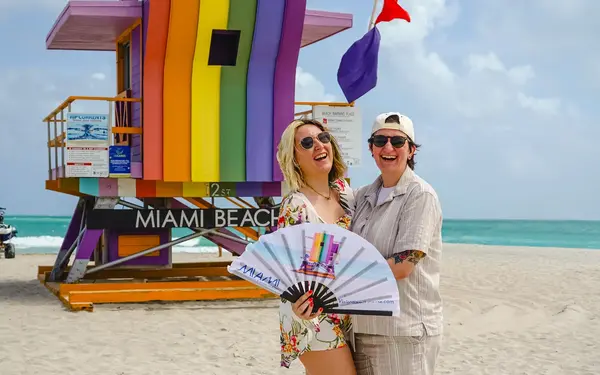
Miami rolls out the rainbow-colored carpet 365 days a year and cultivates an environment where everyone can have a good time. Every day, there’s something to do and someplace to go that highlights the area’s inclusivity and diversity, whether it’s at the LGBTQ-friendly 12th Street Beach or clothing-optional Haulover Park Beach, queer art and drag shows, gay hotel Hotel Gaythering, LGBTQ-owned restaurants and, of course, its famously festive bars. The temperature rises even more during annual events, such as the multi-day Winter Party Festival, Miami Beach Pride, GayOcho (a Hispanic LGBTQ festival in Little Havana), the Latin pride festival Celebrate Orgullo, Outshine Film Festival and Wynwood Pride.
Miami’s LGBTQ history is rich with stories of triumphs that laid the foundation for a beautiful destination that values its LGBTQ+ influences and is better and more unique because of them. Miami has only grown stronger in its determination to welcome all to celebrate, live joyfully and progress gaily forward every day. It’s a place where the LGBTQ community is celebrated not only during LGBT History Month in October but all year long.
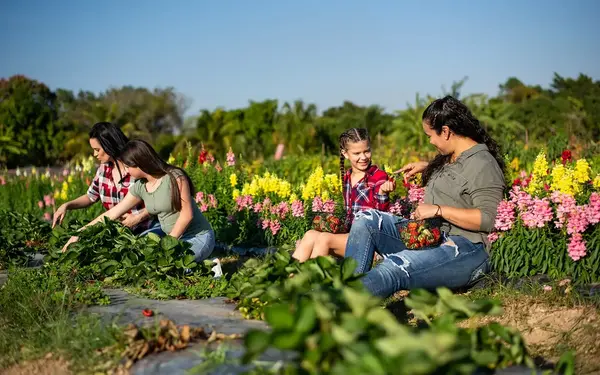
LGBTQ Farmers: Nurturing Miami's Food and Community
27 Travels Reveal Their Favorite Places in Miami

Once Upon A Journey Share Miami Travel Tips
SAMMY: Designed Leisure that’s 100% Miami
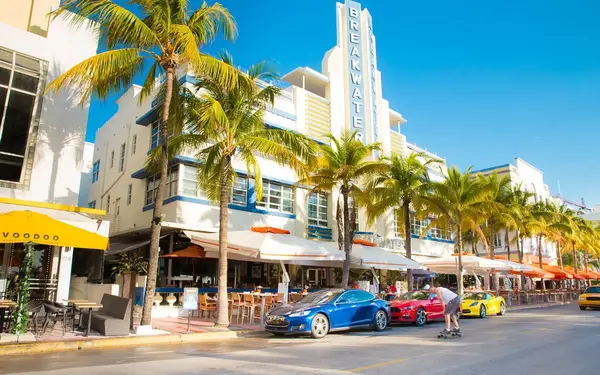
Out of the Bar: Activities for LGBTQ Travelers in Miami

Discover Miami's LGBTQ Sports Scene
Exploring Miami with Chris and Alex